Lager
Lager in Hialeah Gardens, Transload und über 50 Ladetore
Ein Lager in Hialeah Gardens, über 50 Ladetore, wenige Minuten von den Häfen Südfloridas: Transload, Cross-Dock, Lagerung, Wareneingang und Versand.
The industrial belt this dock works
How far the freight has to come
| Port, terminal or ramp | Road miles |
|---|---|
| Port of Miami | 20 mi |
| Port Everglades | 25 mi |
| Antillean Marine (Miami River) | 14 mi |
| POMTOC (PortMiami) | 20 mi |
| SFCT (PortMiami) | 20 mi |
| Seaboard Marine (PortMiami) | 20 mi |
| FIT (Port Everglades) | 25 mi |
| PET (Port Everglades) | 25 mi |
| Crowley (Port Everglades) | 25 mi |
| King Ocean (Port Everglades) | 25 mi |
| MSC (Port Everglades) | 25 mi |
| CSX ramp (Hialeah) | 5 mi |
| FEC Hialeah rail ramp | 8 mi |
| FEC ICTF (Port Everglades) | 25 mi |
Alles, was das Lager leistet
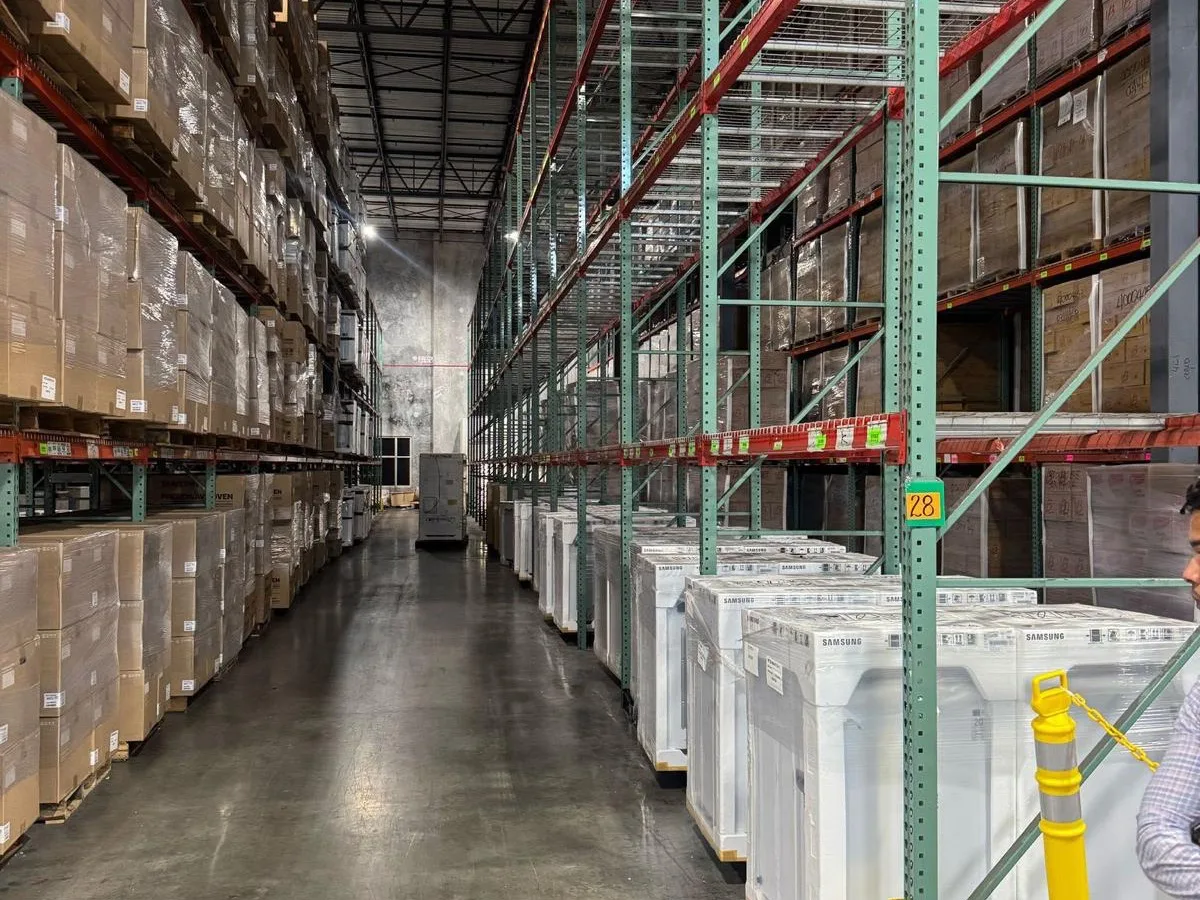
Port to warehouse, and out the door
One partner from the terminal to your customer: the container pulled off PortMiami, unloaded, palletized, stored by the pallet, and shipped out as your orders come in.
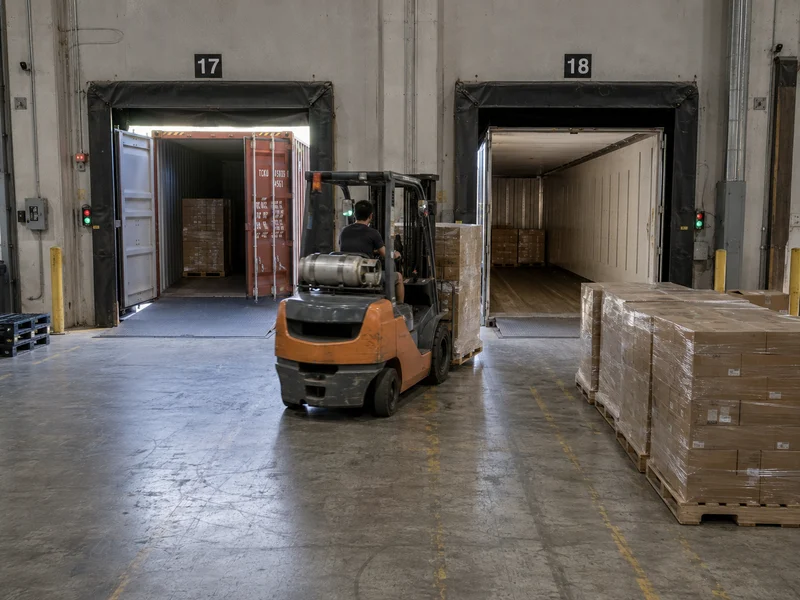
Transload
Der Angelpunkt: die Ladung kommt aus dem Container auf einen Auflieger, damit die Landstrecke keine Containersätze zahlt.
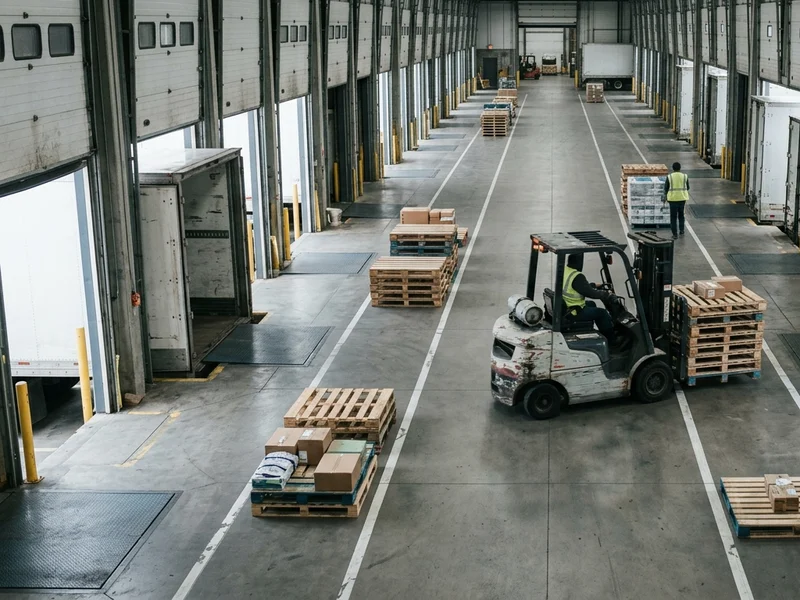
Cross-dock
Rein durch das eine Tor, sortiert, raus durch das andere, ohne ein Regal zu berühren.
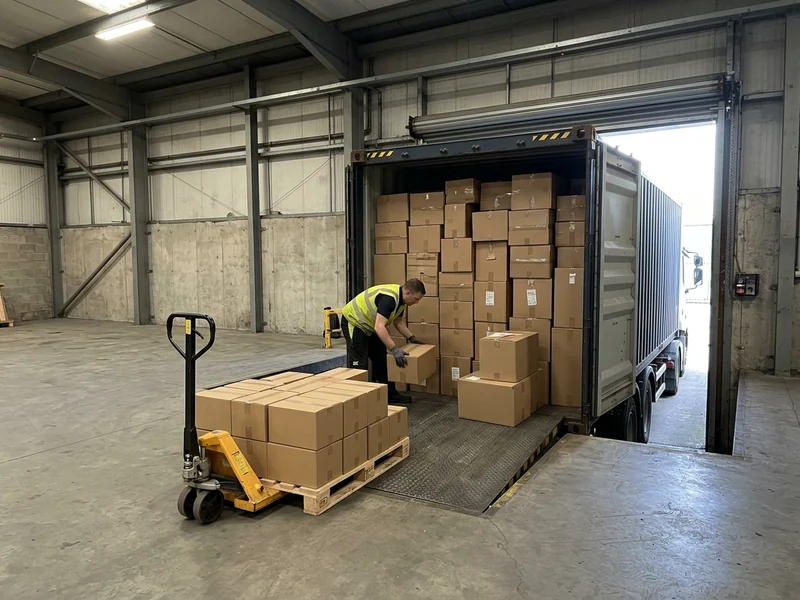
Container unloading
Getting the freight out of the box. Palletized cargo comes off quickly; a floor-loaded 40 is a day's work for a crew, and the difference in effort is the difference in price. The reason to do it here rather than at your door is usually the same one: the empty goes back the same day.
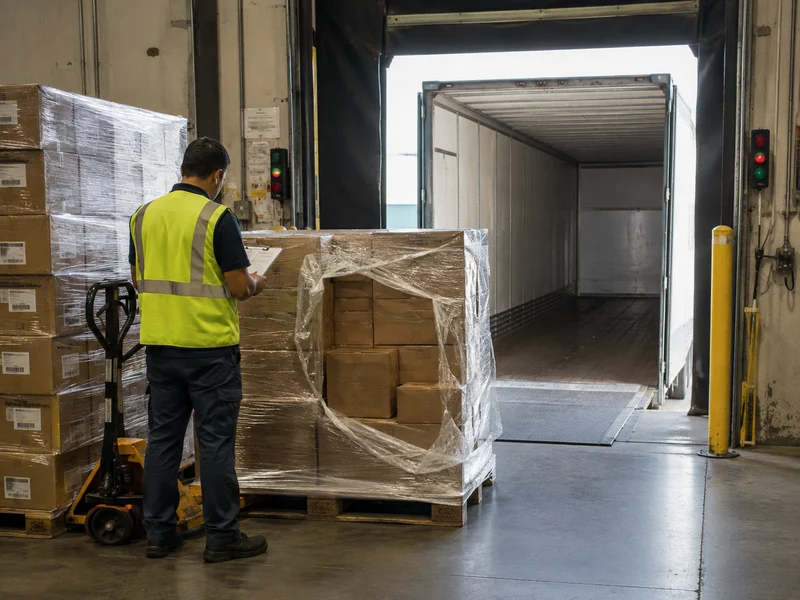
Warenannahme und Versand
Wir nehmen Ihre Ladung in Ihrem Namen an, prüfen sie ein, lagern sie und versenden sie wieder, wenn Sie es sagen. Für alle ohne eigene Rampe.
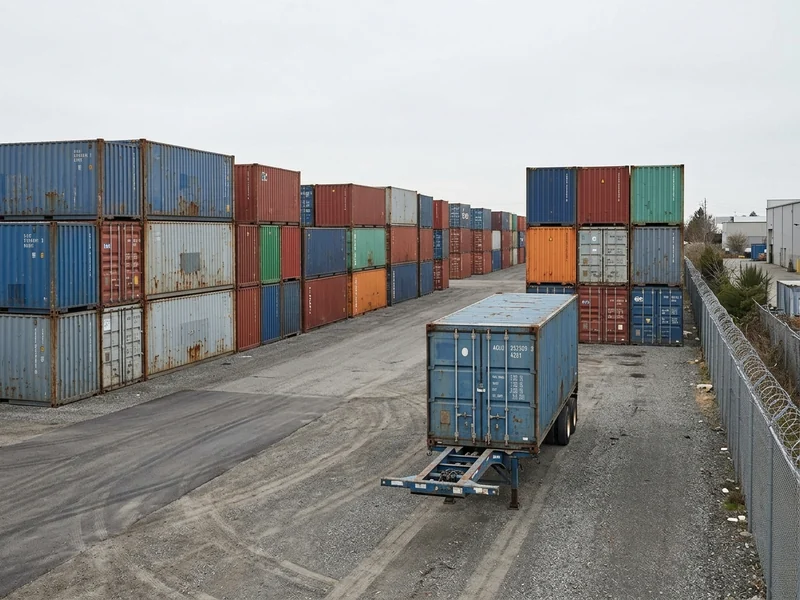
Container yard storage
Five acres of yard for containers that need somewhere to be. Loaded or empty, grounded or sitting on a chassis, for a night or for a season. The reason to put one here rather than anywhere is that the truck that brings it and the truck that takes it away are the same operation, so a stored box is one phone call from moving again.
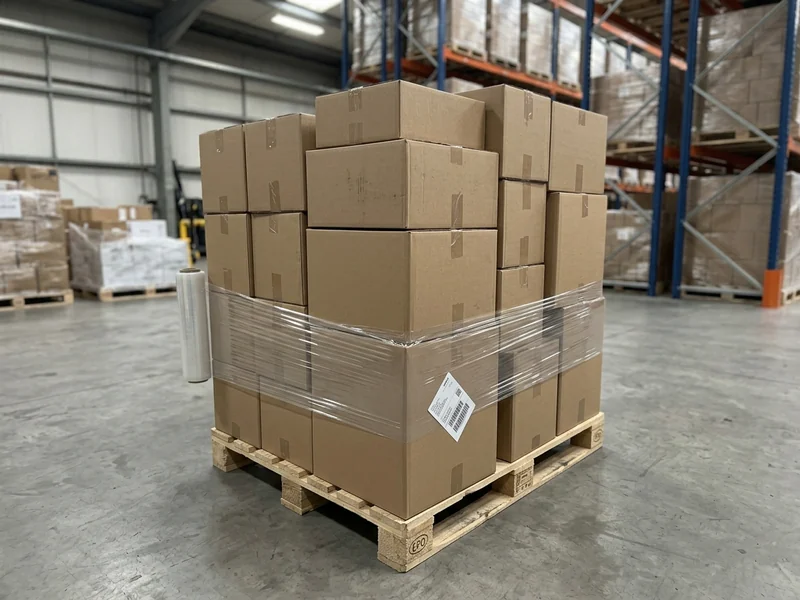
Handling and repack
The work that happens to freight while it is on the floor: palletized, wrapped, labelled, counted, sorted, repacked, photographed, and where the destination needs it, repackaged into what it actually sells as. Priced by what the freight needs rather than from a menu, because no two of these jobs are the same shape.
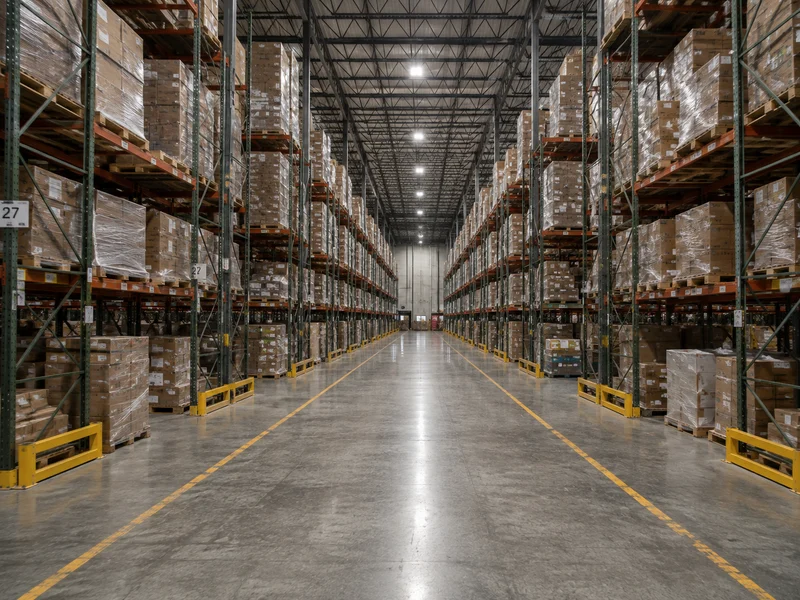
Lagerung
Kurz- und langfristige Lagerung in einem Lager mit über 50 Laderampen, wenige Minuten von den Häfen.
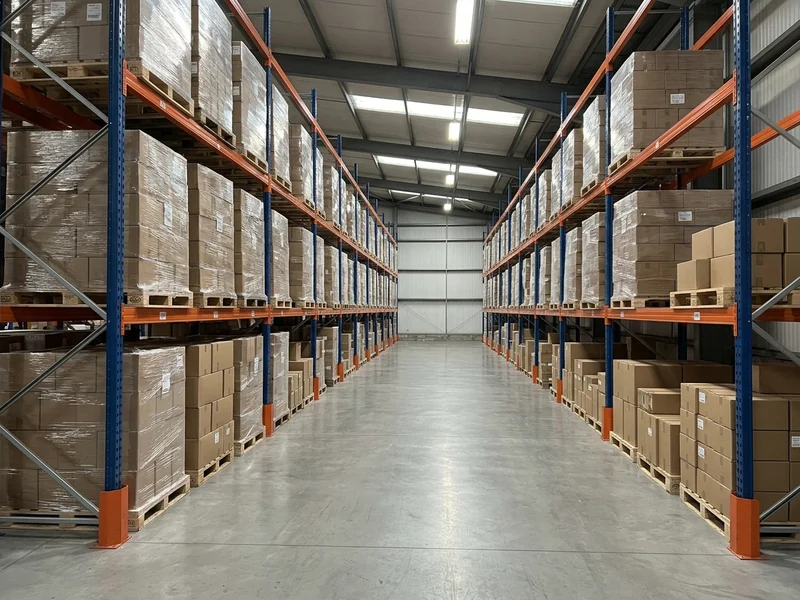
Pallet storage
Somewhere to put twelve pallets for three weeks. Storage billed by the pallet and by the day rather than by the square foot and by the year, close enough to the ports that getting them in and out is not a cross-county trip.
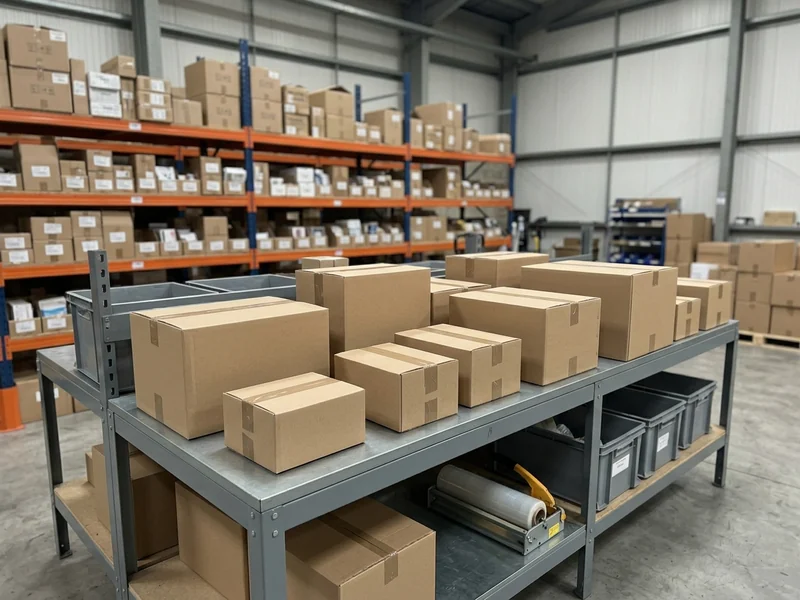
Fulfillment and distribution
Goods arrive by sea in one large piece and leave in many small ones. Between those two facts sit the things that decide whether it works: stock counted at unit level rather than by pallet, something that says an order happened, and a container that has to be emptied and returned before per diem eats the margin. Here is how that path actually runs, and what to have ready before it starts.
If the freight has not cleared yet
Fragen
Klare Antworten
Wo liegt das Lager?
In Hialeah Gardens, wenige Minuten von den Häfen. Es ist eines, kein Netzwerk: alles, was vom Chassis kommt, kommt hier herunter, und von da geht die Ladung dorthin, wo sie hin soll.
Wie viele Laderampen gibt es?
über 50.
How big is the warehouse?
120,000 sq ft of floor at 32 ft clear, über 50 dock doors, and 5 acres of container yard outside it. That is one building rather than a network of them, which is the point: everything that comes off a chassis comes off it here, and the freight goes out from the same place it came in.
How many pallets can you hold?
Roughly 4,000 at one time between the racks and the floor, and close to twice that where the freight stacks two high. The racks are selective, several thousand positions in aisles at the back of the building, and the rest of the count is floor space. The figure is estimated from the floor area rather than read off a rack drawing, and it is deliberately the working number rather than the theoretical one: a good part of 120,000 sq ft has to stay clear as dock apron, transload lane and staging, because a container cannot be emptied into a building with nowhere to put the freight. Racked out fully at 32 ft clear the same floor would hold two to three times more, and it is not racked out, on purpose. For a real volume over a real period, ask: space is committed per booking rather than published as a ceiling.
Do you have a warehouse management system with API or EDI integration?
The floor runs on Manhattan Active Warehouse Management, so every pallet has a rack or floor position and every receipt, move and pick is a record. What there is not is a customer-facing portal: orders arrive by email or by a daily file, and what you get back is the record of each move and photographs at the handovers, sent to you the day it happens. This is a flow operation, containers emptied, transloaded and cross-docked with the freight usually gone within days, and that record is what a transload actually needs. If your business needs a system-to-system feed, say so at the quote stage and it gets a straight answer before anyone books.
How secure is the warehouse and the yard?
Fenced and gated, lit, alarmed, on camera, and guarded around the clock, and the facility is TSA certified and FDA registered. Most freight here is waiting on a clock rather than settling in for a season, so the usual question is about a loaded container sitting overnight rather than about long-term storage, and that is exactly the case the yard is set up for. If your cargo needs something more specific, say so before you book: an indoor position instead of a yard slot, a sealed box that stays sealed, or photographs at every handover.
How close is the warehouse to PortMiami and Port Everglades?
About 20 estimated road miles from PortMiami and its terminals, about 25 from Port Everglades and its terminals, and 5 to 8 from the Hialeah rail ramps. The table on this page lists every port, terminal and ramp with its distance. That proximity is the entire argument for emptying a container here rather than at a warehouse an hour inland: the box goes back to the line the same day instead of two days later, and per diem stops with it.
Can short-term storage here stop demurrage and per diem?
It stops the clock that is running on the container, which is usually the expensive one. Demurrage runs while the box sits inside the terminal; a pre-pull before the last free day ends that, and the container comes here instead. Per diem then runs until the empty is returned, so the box is emptied and sent back rather than parked full at your dock. The freight waits here on a rack, where nobody charges by the day for the steel around it.
Where can an overweight container be transloaded near the ports?
Here, and that is exactly what transload is for. A box that is legal on a tri-axle chassis for a short port run stops being legal on a long one, so the freight comes out of the container and onto a trailer, split across two loads if the weight needs it. Done a short run from the terminal, it turns one expensive permitted move into an ordinary truckload, and the empty goes back the same day.
Is there secure yard space for container staging?
Yes: five acres of yard for containers that need somewhere to be, loaded or empty, grounded or sitting on a chassis, for a night or for a season. The reason to stage a box here rather than anywhere is that the truck that brings it and the truck that takes it away are the same operation, so a stored container is one phone call from moving again.
Is this a bonded warehouse or an FTZ?
Yes, we handle bonded freight: terminal to the bonded facility the entry names, port to port, or back out of the country, sealed and under bond, with the entry filed through the licensed customs broker we work with if you do not have your own. The bonded storage, the trucking and the handling around it are arranged together as one job.
Is space available to a shipper who is not already a customer?
Yes. Storage is billed by the pallet and by the day rather than by the square foot and by the year, which is the difference between a public warehouse and a lease. Twelve pallets for three weeks is a normal booking, not an exception, and so is a single container emptied, stored and shipped back out under your name.
Welche Zeiten hat die Rampe?
Die Rampe läuft von 8 bis 5, Montag bis Freitag, für den Wareneingang wie für den Versand. Die Disposition antwortet rund um die Uhr, aber das ist das Telefon, nicht die Rampe: schicken Sie um 23 Uhr eine Containernummer, dann bekommen Sie eine Antwort, und die Ladung bewegt sich, sobald die Rampe öffnet.
Brauche ich einen Termin für Anlieferung oder Abholung?
Nein. Es gilt: wer zuerst kommt, mahlt zuerst. Es gibt also kein Terminsystem, um das man herumarbeiten muss, und kein Zeitfenster, das man verpassen kann. Kommen Sie innerhalb der Zeiten, und Sie sind der Reihe nach dran.
Wie spät kann ein Lkw ankommen und noch am selben Tag entladen werden?
Ein dry van aus dem Fernverkehr, der am Stück entladen wird, muss bis 15 Uhr hier sein, um noch am selben Tag dranzukommen. Ein Container, der abgestellt und nicht am Stück entladen wird, kann bis 16 Uhr kommen.
Wie spät kann etwas noch am selben Tag hinausgehen?
Steht die Ladung schon im Lager und ist sie bis 16 Uhr freigegeben, geht sie am selben Tag hinaus. Alles, was später freigegeben wird, fährt gleich am nächsten Morgen.
Wie schnell ist ein transload?
Am selben Tag, wo der Tag es hergibt. Läuft die Zeit vorher ab, wird er gleich am nächsten Morgen fertig gemacht, statt liegen zu bleiben. Er wartet auf keinen Termin, weil die Rampe keine verwendet.
Was für Ladung nimmt die Rampe an?
Alles. Lose geladene Ware, Container mit Übergewicht, Reefer, placardiertes Gefahrgut, Ladung unter Zollverschluss und in-bond, und Übermaß. Was in Südflorida vom Chassis kommt, kommt hier herunter.
Was können Sie mit der Ladung auf der Fläche machen?
Was immer sie braucht, um weiterzukommen: palettieren und umpalettieren, in Folie wickeln, etikettieren, sortieren, Stückzahlen prüfen, umverpacken und mit Fotos begutachten. Die Leistung richtet sich nach der Ware statt nach einem festen Menü.
Können Sie Ladung für mich annehmen, wenn ich keine Rampe habe?
Ja. Genau das ist Warenannahme und Versand: wir nehmen die Lieferung in Ihrem Namen an, prüfen sie gegen Ihre Papiere ein, sagen Ihnen, was tatsächlich angekommen ist, lagern sie so lange wie nötig, und versenden sie wieder, wenn Sie es sagen.
Wie wird Lagerung abgerechnet?
Pro Tag oder pro Palette, und es richtet sich nach Ware und Menge statt nach einer starren Preisliste. Eine Woche Überlauf braucht keine Vertragsverhandlung, und eine ungewöhnliche Ware wird nicht in die falsche Einheit gezwungen.
Was braucht ein Fahrer bei der Ankunft?
Kommen Sie innerhalb der Zeiten an die Rampe, wer zuerst kommt, mahlt zuerst, mit dem bill of lading, der Container- oder Buchungsnummer und dem Siegel. Auf der Fläche können eine Warnweste und geschlossene Schuhe verlangt werden.
Can you deliver somewhere with no dock or a tight approach?
Yes. Tell us before we quote: residential streets, no dock, no forklift and tight turns all change the equipment and sometimes the price, and knowing ahead means the right truck arrives the first time.
What happens if the terminal has no chassis?
The chassis in this network are yard-staged rather than drawn from the terminal pool, so a pool shortage is not what stops your container moving. That is a large part of the point of working with an asset-backed carrier rather than taking the cheapest quote.
Can an oversized load use the PortMiami Tunnel?
No. The tunnel is closed to oversized loads and to placarded hazmat, so those leave the port over the Port Boulevard bridge and through downtown Miami instead. It is a longer route through city streets and it needs planning, which is why we ask about dimensions before we quote rather than after.
Was ist der last free day?
Der letzte Tag, an dem Ihr Container im Terminal stehen darf, bevor Lagerkosten anfallen. Wird er verpasst, läuft das demurrage täglich weiter, und deshalb ist ein pre-pull fast immer günstiger als Warten.
Was ist ein pre-pull?
Wir holen den Container aus dem Terminal, bevor Sie so weit sind, und stellen ihn auf einem Hof ab. Das stoppt das demurrage zu Terminalsätzen und nimmt den Druck von Ihren Annahmezeiten.