Warehouse
Transload, cross-dock and warehousing in Miami-Dade
Containers emptied, transloaded and cross-docked in 120,000 sq ft with over 50 dock doors and five acres of yard, about 20 road miles from PortMiami and 25 from Port Everglades. The box goes back to the line the same day. Dock open Mon to Fri, 8 to 5.
The industrial belt this dock works
How far the freight has to come
| Port, terminal or ramp | Road miles |
|---|---|
| Port of Miami | 20 mi |
| Port Everglades | 25 mi |
| Antillean Marine (Miami River) | 14 mi |
| POMTOC (PortMiami) | 20 mi |
| SFCT (PortMiami) | 20 mi |
| Seaboard Marine (PortMiami) | 20 mi |
| FIT (Port Everglades) | 25 mi |
| PET (Port Everglades) | 25 mi |
| Crowley (Port Everglades) | 25 mi |
| King Ocean (Port Everglades) | 25 mi |
| MSC (Port Everglades) | 25 mi |
| CSX ramp (Hialeah) | 5 mi |
| FEC Hialeah rail ramp | 8 mi |
| FEC ICTF (Port Everglades) | 25 mi |
Everything the warehouse does
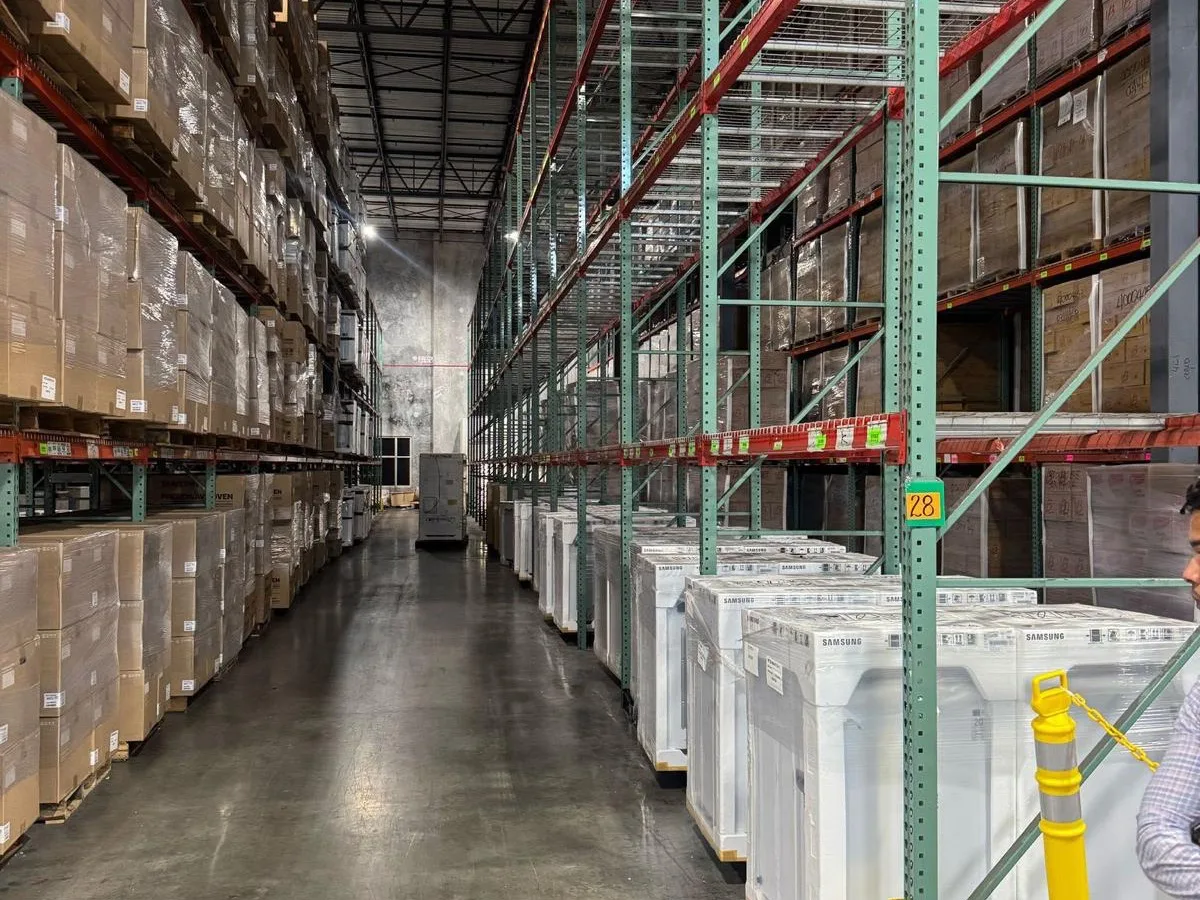
Port to warehouse, and out the door
One partner from the terminal to your customer: the container pulled off PortMiami, unloaded, palletized, stored by the pallet, and shipped out as your orders come in.
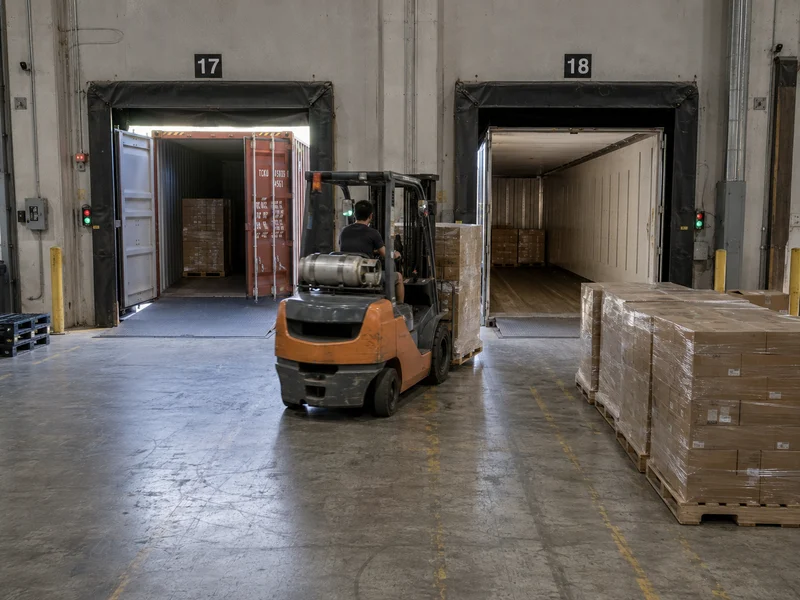
Transload
The hinge: freight comes out of the box and onto a trailer, so the inland run is not paying container rates.
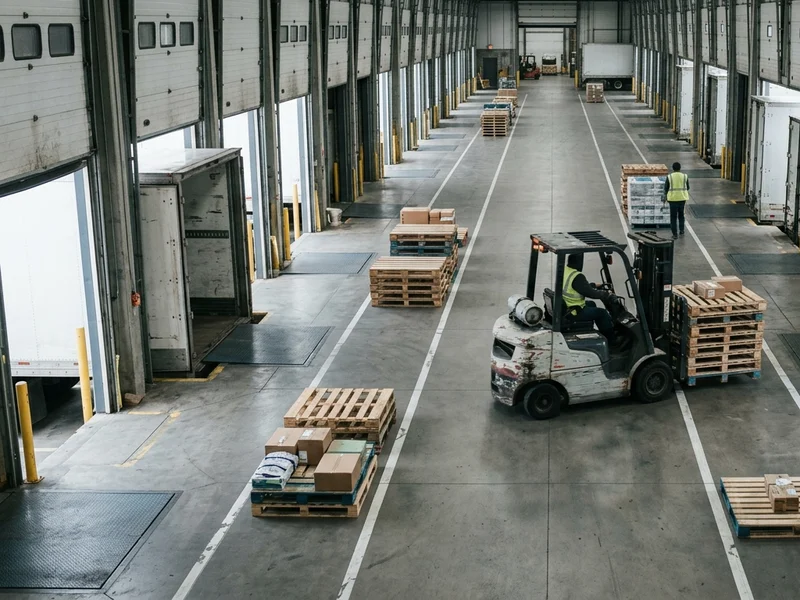
Cross-dock
In one door, sorted, out the other, without touching a rack.
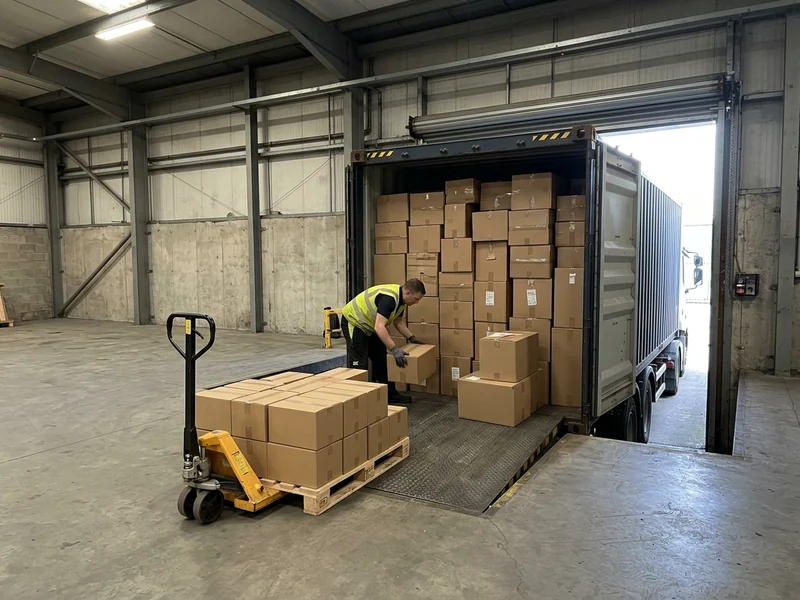
Container unloading
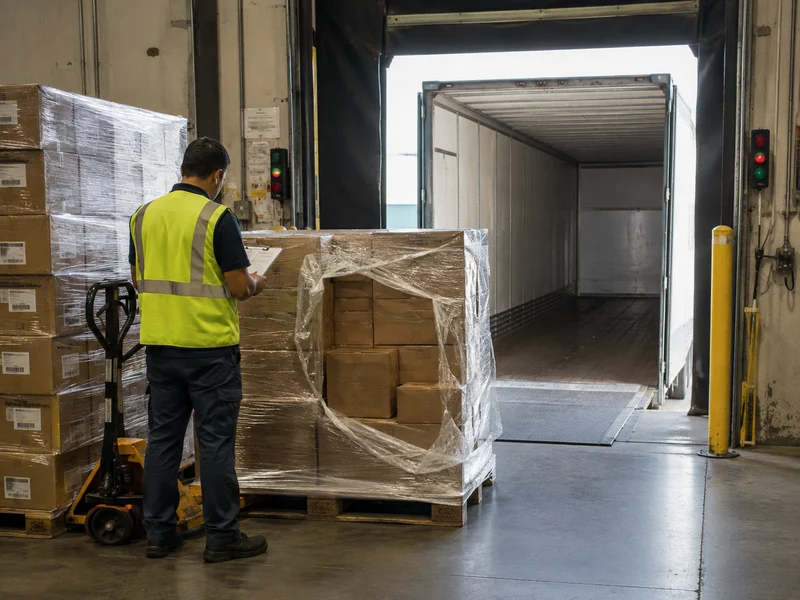
Getting the freight out of the box. Palletized cargo comes off quickly; a floor-loaded 40 is a day's work for a crew, and the difference in effort is the difference in price. The reason to do it here rather than at your door is usually the same one: the empty goes back the same day.
Shipping and receiving
Freight received, checked in, held, and shipped back out under your name. For shippers with no dock of their own.
Container yard storage
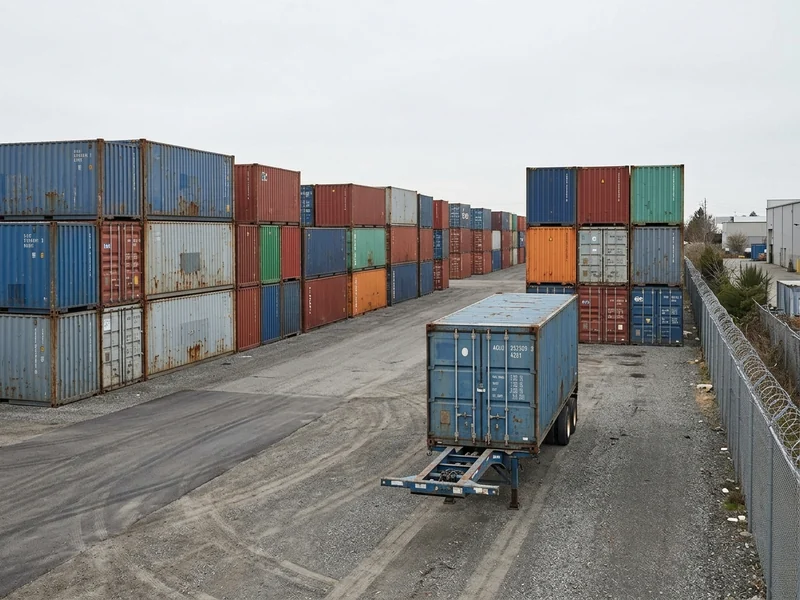
Five acres of yard for containers that need somewhere to be. Loaded or empty, grounded or sitting on a chassis, for a night or for a season. The reason to put one here rather than anywhere is that the truck that brings it and the truck that takes it away are the same operation, so a stored box is one phone call from moving again.
Handling and repack
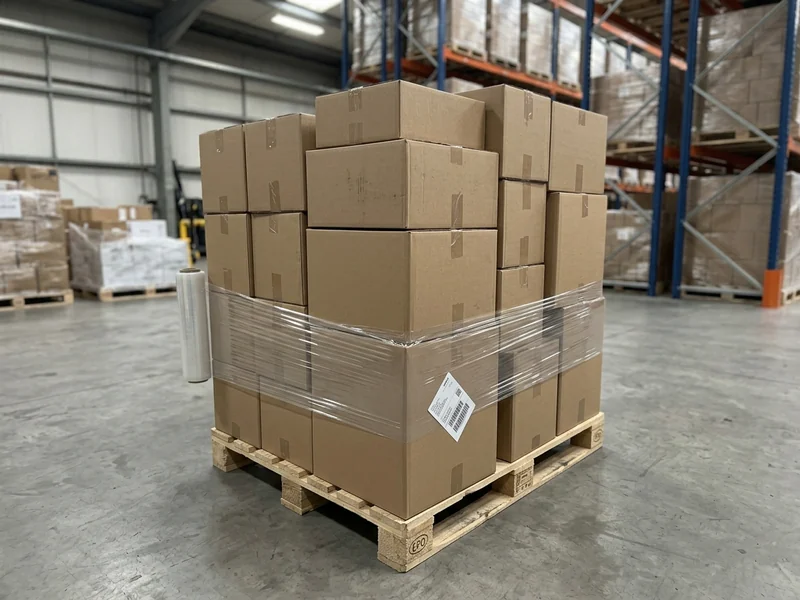
The work that happens to freight while it is on the floor: palletized, wrapped, labelled, counted, sorted, repacked, photographed, and where the destination needs it, repackaged into what it actually sells as. Priced by what the freight needs rather than from a menu, because no two of these jobs are the same shape.
Warehousing and storage
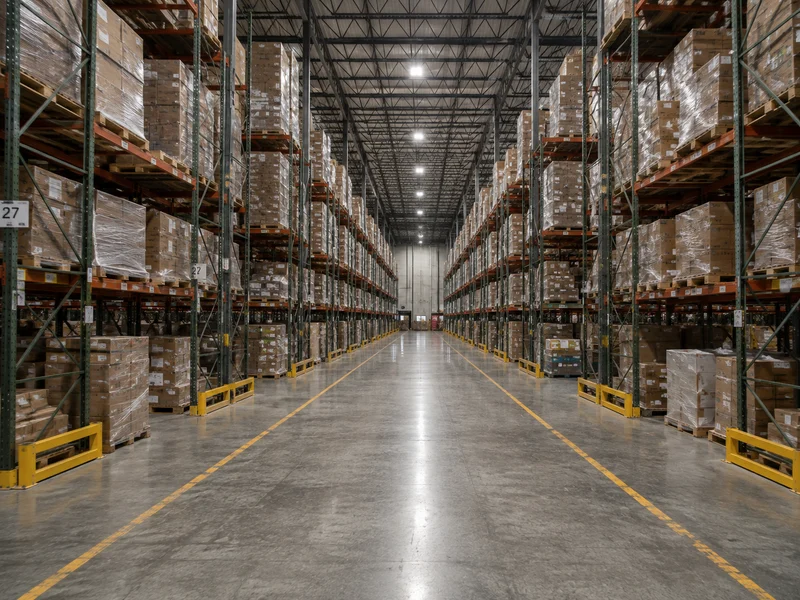
Short and long-term storage at a warehouse with over 50 dock doors, a short run from the ports.
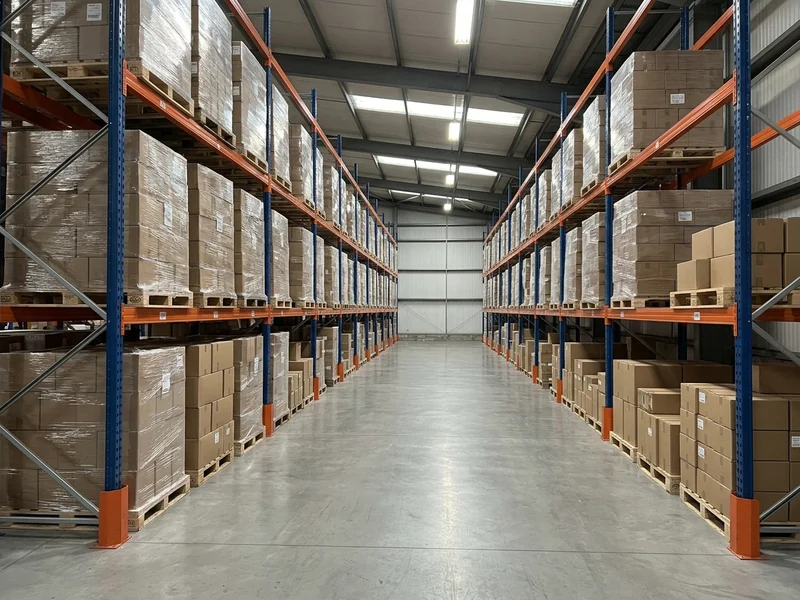
Pallet storage
Somewhere to put twelve pallets for three weeks. Storage billed by the pallet and by the day rather than by the square foot and by the year, close enough to the ports that getting them in and out is not a cross-county trip.
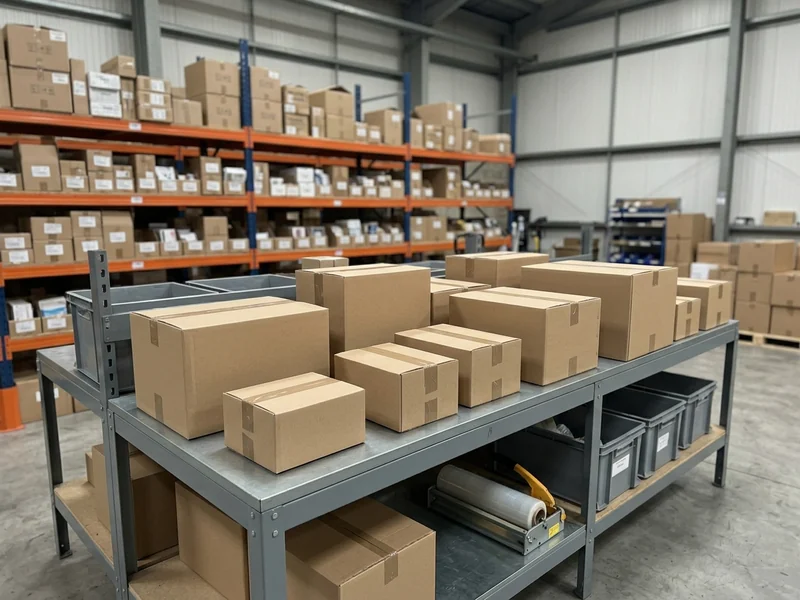
Fulfillment and distribution
Goods arrive by sea in one large piece and leave in many small ones. Between those two facts sit the things that decide whether it works: stock counted at unit level rather than by pallet, something that says an order happened, and a container that has to be emptied and returned before per diem eats the margin. Here is how that path actually runs, and what to have ready before it starts.
If the freight has not cleared yet
Questions
Straight answers
Where is the warehouse?
Hialeah Gardens, a short run from the ports. There is one, not a network: everything that comes off a chassis comes off it here, and then the freight goes wherever it is going.
How many dock doors are there?
over 50.
How big is the warehouse?
120,000 sq ft of floor at 32 ft clear, over 50 dock doors, and 5 acres of container yard outside it. That is one building rather than a network of them, which is the point: everything that comes off a chassis comes off it here, and the freight goes out from the same place it came in.
How many pallets can you hold?
Roughly 4,000 at one time between the racks and the floor, and close to twice that where the freight stacks two high. The racks are selective, several thousand positions in aisles at the back of the building, and the rest of the count is floor space. The figure is estimated from the floor area rather than read off a rack drawing, and it is deliberately the working number rather than the theoretical one: a good part of 120,000 sq ft has to stay clear as dock apron, transload lane and staging, because a container cannot be emptied into a building with nowhere to put the freight. Racked out fully at 32 ft clear the same floor would hold two to three times more, and it is not racked out, on purpose. For a real volume over a real period, ask: space is committed per booking rather than published as a ceiling.
Do you have a warehouse management system with API or EDI integration?
The floor runs on Manhattan Active Warehouse Management, so every pallet has a rack or floor position and every receipt, move and pick is a record. What there is not is a customer-facing portal: orders arrive by email or by a daily file, and what you get back is the record of each move and photographs at the handovers, sent to you the day it happens. This is a flow operation, containers emptied, transloaded and cross-docked with the freight usually gone within days, and that record is what a transload actually needs. If your business needs a system-to-system feed, say so at the quote stage and it gets a straight answer before anyone books.
How secure is the warehouse and the yard?
Fenced and gated, lit, alarmed, on camera, and guarded around the clock, and the facility is TSA certified and FDA registered. Most freight here is waiting on a clock rather than settling in for a season, so the usual question is about a loaded container sitting overnight rather than about long-term storage, and that is exactly the case the yard is set up for. If your cargo needs something more specific, say so before you book: an indoor position instead of a yard slot, a sealed box that stays sealed, or photographs at every handover.
How close is the warehouse to PortMiami and Port Everglades?
About 20 estimated road miles from PortMiami and its terminals, about 25 from Port Everglades and its terminals, and 5 to 8 from the Hialeah rail ramps. The table on this page lists every port, terminal and ramp with its distance. That proximity is the entire argument for emptying a container here rather than at a warehouse an hour inland: the box goes back to the line the same day instead of two days later, and per diem stops with it.
Can short-term storage here stop demurrage and per diem?
It stops the clock that is running on the container, which is usually the expensive one. Demurrage runs while the box sits inside the terminal; a pre-pull before the last free day ends that, and the container comes here instead. Per diem then runs until the empty is returned, so the box is emptied and sent back rather than parked full at your dock. The freight waits here on a rack, where nobody charges by the day for the steel around it.
Where can an overweight container be transloaded near the ports?
Here, and that is exactly what transload is for. A box that is legal on a tri-axle chassis for a short port run stops being legal on a long one, so the freight comes out of the container and onto a trailer, split across two loads if the weight needs it. Done a short run from the terminal, it turns one expensive permitted move into an ordinary truckload, and the empty goes back the same day.
Is there secure yard space for container staging?
Yes: five acres of yard for containers that need somewhere to be, loaded or empty, grounded or sitting on a chassis, for a night or for a season. The reason to stage a box here rather than anywhere is that the truck that brings it and the truck that takes it away are the same operation, so a stored container is one phone call from moving again.
Is this a bonded warehouse or an FTZ?
Yes, we handle bonded freight: terminal to the bonded facility the entry names, port to port, or back out of the country, sealed and under bond, with the entry filed through the licensed customs broker we work with if you do not have your own. The bonded storage, the trucking and the handling around it are arranged together as one job.
Is space available to a shipper who is not already a customer?
Yes. Storage is billed by the pallet and by the day rather than by the square foot and by the year, which is the difference between a public warehouse and a lease. Twelve pallets for three weeks is a normal booking, not an exception, and so is a single container emptied, stored and shipped back out under your name.
What are the dock hours?
The dock runs 8 to 5, Monday to Friday, the same for receiving and for shipping out. Dispatch answers around the clock, but that is the phone, not the dock: send a container number at 11pm and you will get an answer, the freight moves once the dock opens.
Do I need an appointment to deliver or pick up?
No. It is first come, first served, so there is no appointment system to work around and no slot to miss. Show up in the hours and you get worked in turn.
How late can a truck arrive and still be unloaded the same day?
A live over-the-road dry van needs to be here by 3pm to be worked the same day. A container that is being dropped, not live unloaded, can come in until 4pm.
How late can something ship out the same day?
If the freight is already inside the warehouse and released by 4pm, it goes out the same day. Anything released after that ships first thing the next day.
How fast is a transload?
Same day wherever the day allows it. If the clock runs out before it is finished, it is done first thing the next day rather than left sitting. It does not wait on an appointment because the dock does not use them.
What kind of freight does the dock handle?
All of it. Floor-loaded, overweight containers, reefer, placarded hazmat, bonded and in-bond, and oversize. If it comes off a chassis in South Florida, it comes off here.
What can you do to the freight on the floor?
Whatever it needs to keep moving: palletize and re-palletize, shrink-wrap, label, sort, piece-count, repackage, and inspect with photos. The service flexes to the commodity rather than a fixed menu.
Can you receive freight for me if I have no dock?
Yes. That is exactly what shipping and receiving is: we take delivery in your name, check it in against your paperwork, tell you what actually turned up, hold it as long as you need, and ship it back out when you say so.
How is storage billed?
By the day or by the pallet, and it flexes with the commodity and the quantity rather than a rigid rate card. A week of overflow does not require a lease negotiation, and an unusual commodity does not get forced into the wrong unit.
What does a driver need on arrival?
Come to the dock in the hours, first come first served, with the bill of lading and the container or booking number and the seal. A safety vest and closed-toe shoes may be required on the floor.
Can you deliver somewhere with no dock or a tight approach?
Yes. Tell us before we quote: residential streets, no dock, no forklift and tight turns all change the equipment and sometimes the price, and knowing ahead means the right truck arrives the first time.
What happens if the terminal has no chassis?
The chassis in this network are yard-staged rather than drawn from the terminal pool, so a pool shortage is not what stops your container moving. That is a large part of the point of working with an asset-backed carrier rather than taking the cheapest quote.
Can an oversized load use the PortMiami Tunnel?
No. The tunnel is closed to oversized loads and to placarded hazmat, so those leave the port over the Port Boulevard bridge and through downtown Miami instead. It is a longer route through city streets and it needs planning, which is why we ask about dimensions before we quote rather than after.
What is the last free day?
The last day your container can sit inside the terminal before storage charges start. Miss it and demurrage begins accruing daily, which is why a pre-pull is almost always cheaper than waiting.
What is a pre-pull?
We collect the container from the terminal before you are ready for it and hold it on a yard. It stops demurrage running at terminal rates and it takes the pressure off your receiving schedule.