Service
Hazmat and placarded loads in Miami
Placarded freight off the South Florida ports, packaged or in tank containers, moved under the endorsements and permits each class requires. What can be accepted is confirmed commodity by commodity, before you book rather than after.
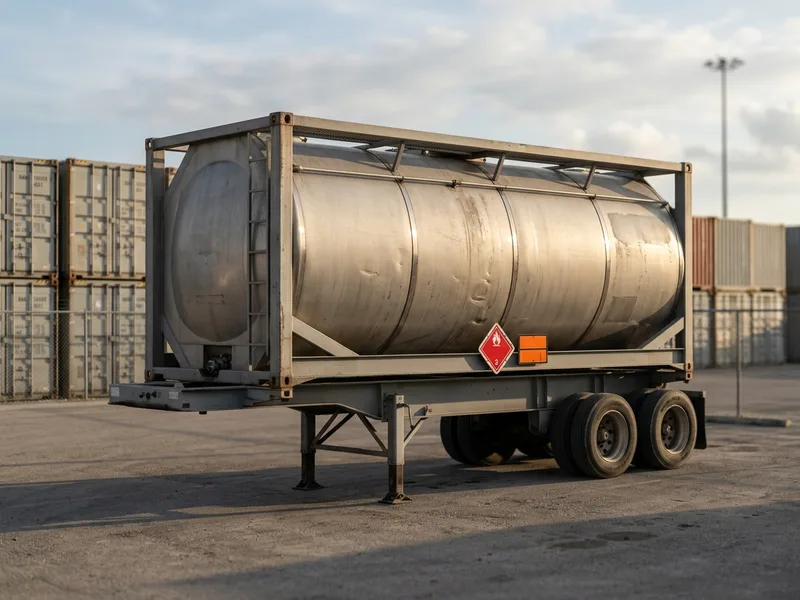
What moves, and what the paperwork has to say
Placarded freight moves on the network, packaged and bulk in tank containers alike, and which classes can be accepted is a question with a real answer rather than a formality. Class 1 explosives and Class 7 radioactive are the two most carriers quietly decline, and they are also the two where the authorization matters most: those, along with poison-inhalation-hazard gases and certain bulk loads, require an FMCSA Hazardous Materials Safety Permit on top of the driver's hazmat endorsement.
Every placarded load runs on a driver with the hazmat endorsement and under the permit its class requires. Nothing moves without them.
What can be accepted is the separate question, and it gets answered separately and up front. Capacity is part of it and moves week to week, so a class that ran last month may have no truck this one. The commodity itself is the other part, and it is the one people skip: two loads can share a hazard class and be entirely different jobs to move, particularly once gases in bulk and refrigerated liquefied gases are involved.
So ask before you build a plan around it, and ask with the UN number rather than the class. That single field is what a real answer depends on, and it is the difference between a yes you can schedule against and a yes that turns into a conversation later. Where the answer is no, you get it while you can still do something about it, rather than after a booking is accepted.
Placards and the shipper's declaration
The shipper places the placards and provides the dangerous goods declaration. That is the normal division and it is the one we work to: the description, the UN number, the packing group and the emergency contact all come from the party who knows what is actually in the box.
If you need the driver to carry and place the placards instead, that has to be arranged BEFORE the appointment, not at the gate. A driver who arrives without the right placards for the load cannot fix it in the lane, and the slot is gone. One line in the booking email is enough.
The routing consequence nobody mentions until it is too late
A placarded load cannot use the PortMiami Tunnel. The tunnel is closed to placarded hazmat, so the box leaves over the Port Boulevard bridge, across Biscayne and through downtown Miami instead.
This is a routing fact and not a permit problem. A Florida permit says what you may move on the road; it does not open the tunnel. The two get confused often enough that loads turn up expecting the short way out, and the difference is a slower run through city streets that wants a departure time chosen on purpose rather than whatever the appointment happens to be.
Plan it in and the move is ordinary. Discover it at the portal with a loaded chassis behind you and it is not.
What to send when you book
The UN number, the proper shipping name, the hazard class and packing group, the quantity, and the 24-hour emergency response telephone number that will appear on the declaration. Add whether the container is fumigated and whether the load is a marine pollutant, because both change handling even though neither stops the move.
Send that with the booking rather than at pickup. Everything downstream, the routing, the placards, the appointment and which driver runs it, is decided by those fields.
Where the placards go, and how big they have to be
Four placards, not one: each side and each end of the container or trailer, so the load is identified from whatever direction an emergency responder approaches it. A single placard on the door end is the most common mistake we see on a box arriving from a shipper who is new to this.
Each one is a square turned on its point, at least 273mm (10.75in) on every side, with a solid line border set 12.7mm in from the edge. It has to read from the direction it faces, sit clear of ladders, doors, tarps and attachments, and stay at least 76mm (3in) away from any other marking or advertising that could be mistaken for part of it.
A bulk packaging, which is what a tank container is, also has to show the UN identification number: either on the placard itself or on the orange panel next to it. That number is how a responder knows what is actually inside rather than only what family it belongs to.
How much triggers a placard depends on the material. Some, including poison-inhalation gases, dangerous-when-wet materials and the higher explosive divisions, are placarded at any quantity at all. Most of the rest start at 454kg (1,001lb) aggregate gross weight. The tables in 49 CFR 172.504 are what actually decide it, and the shipper makes that call.
Every placard in the regulation, and what each one means
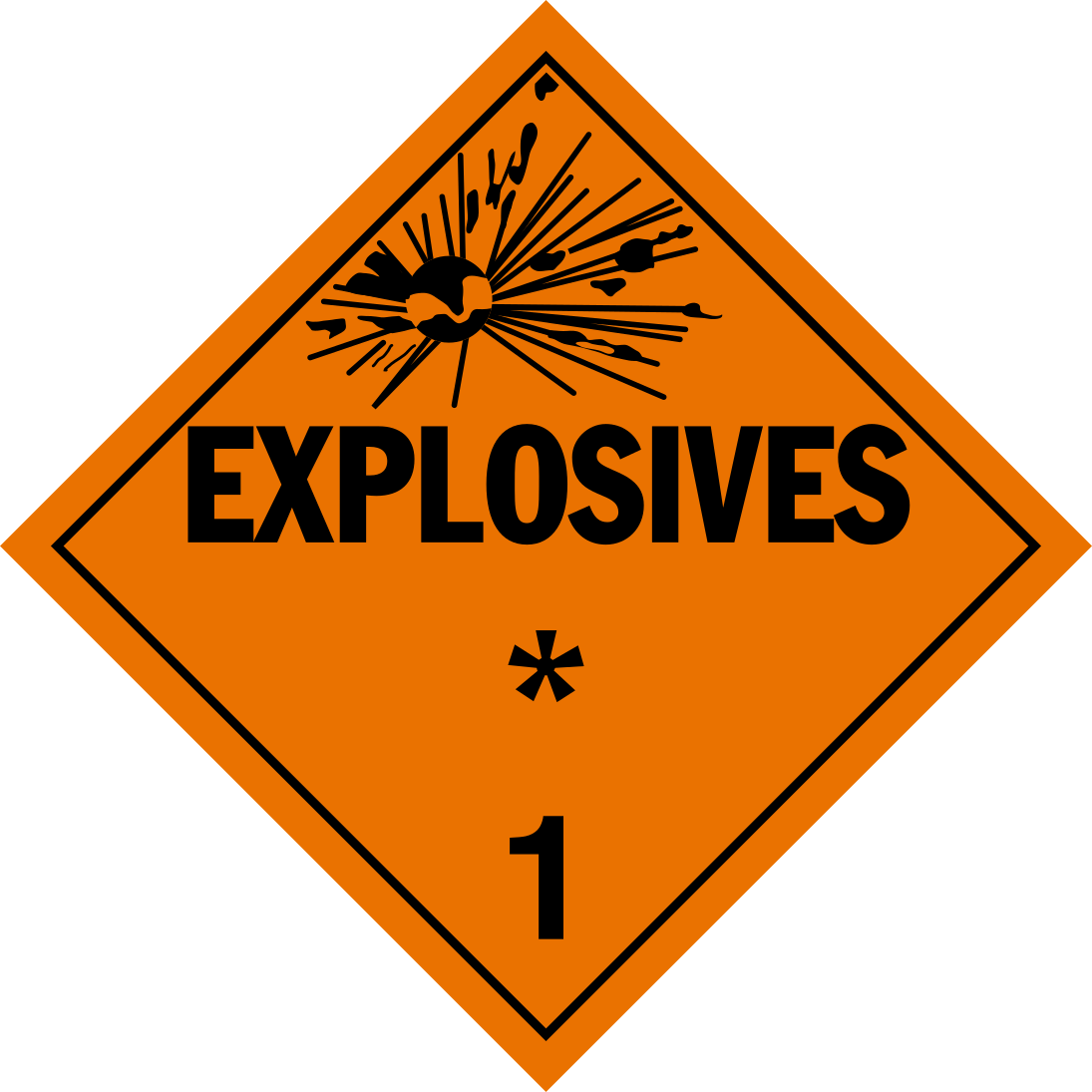
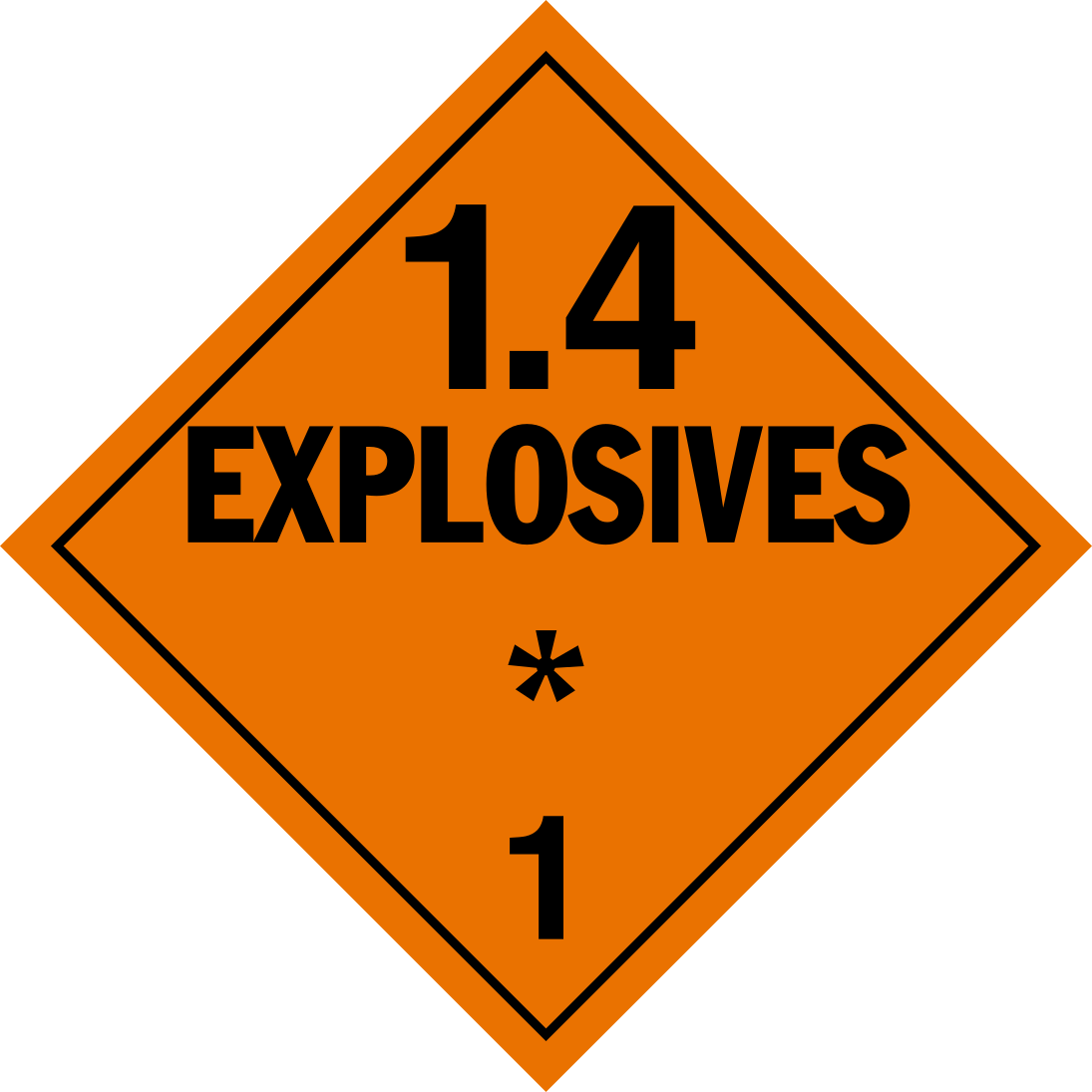
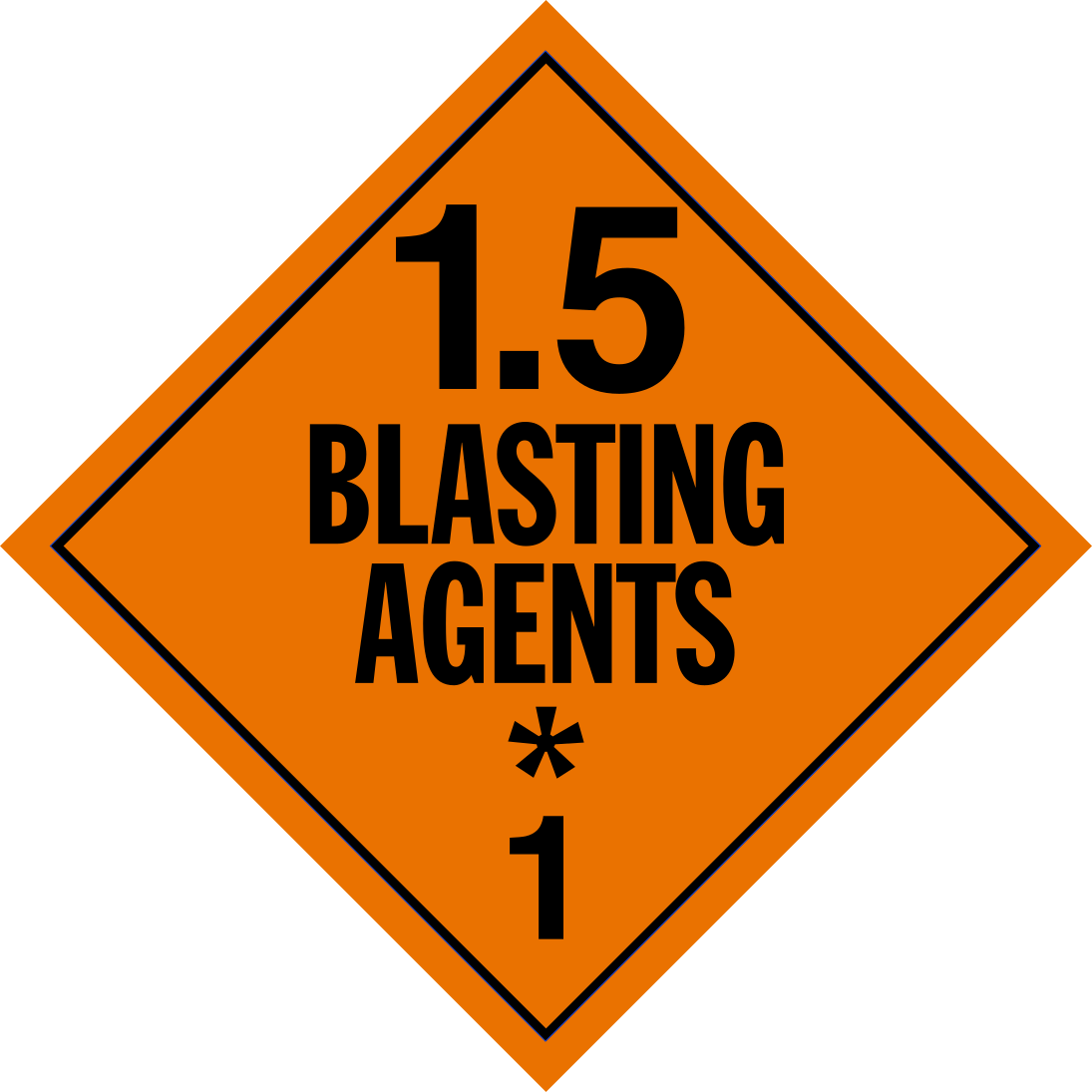
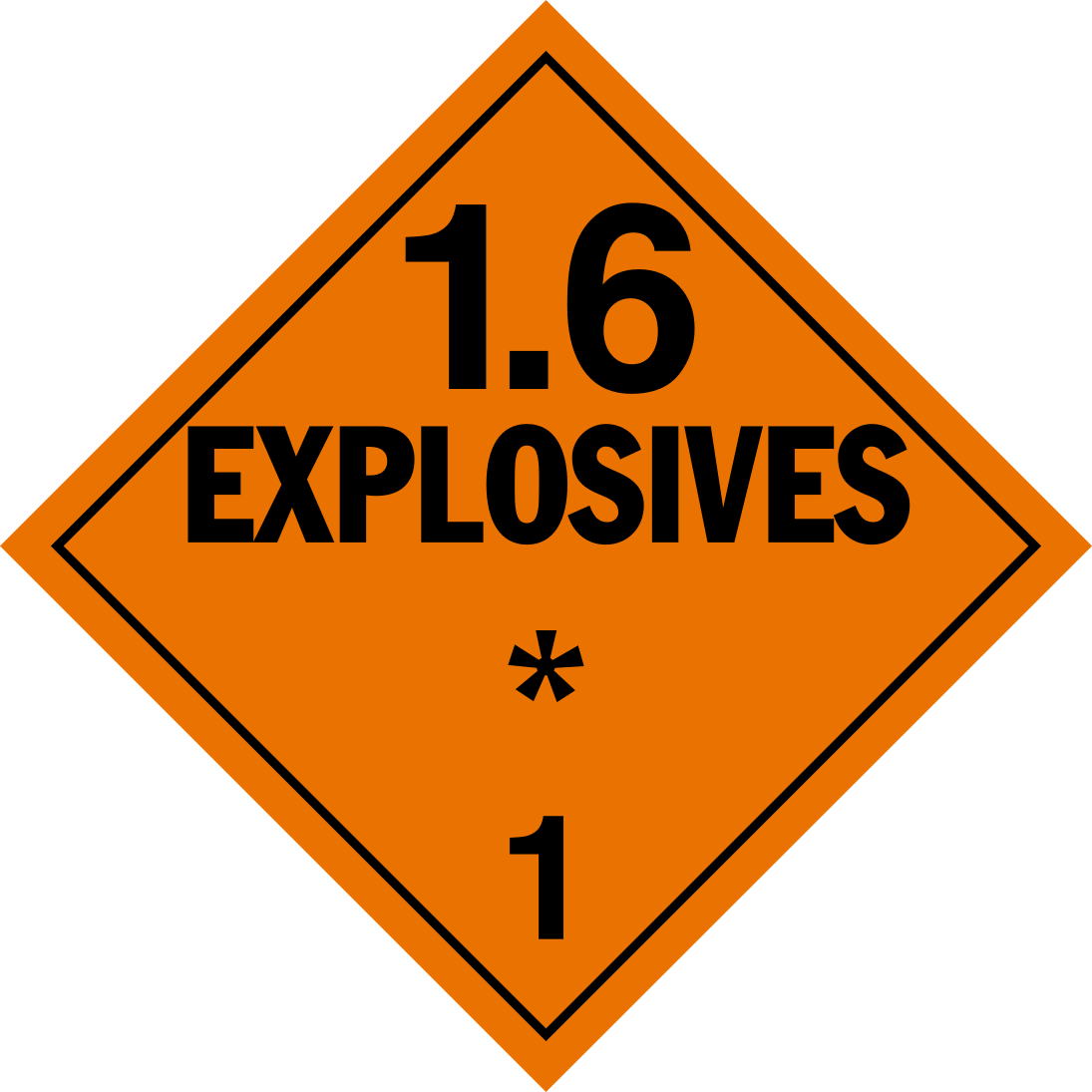
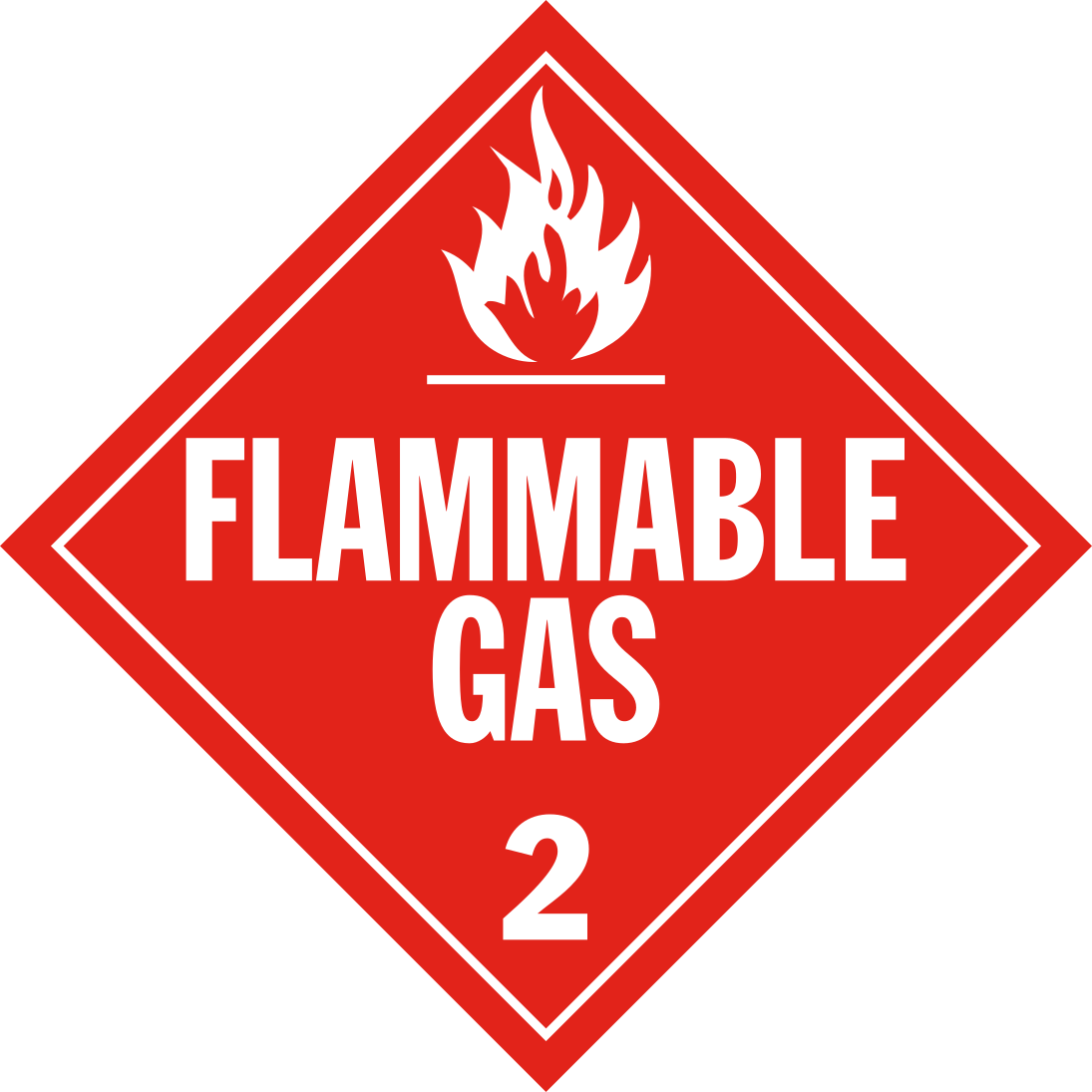
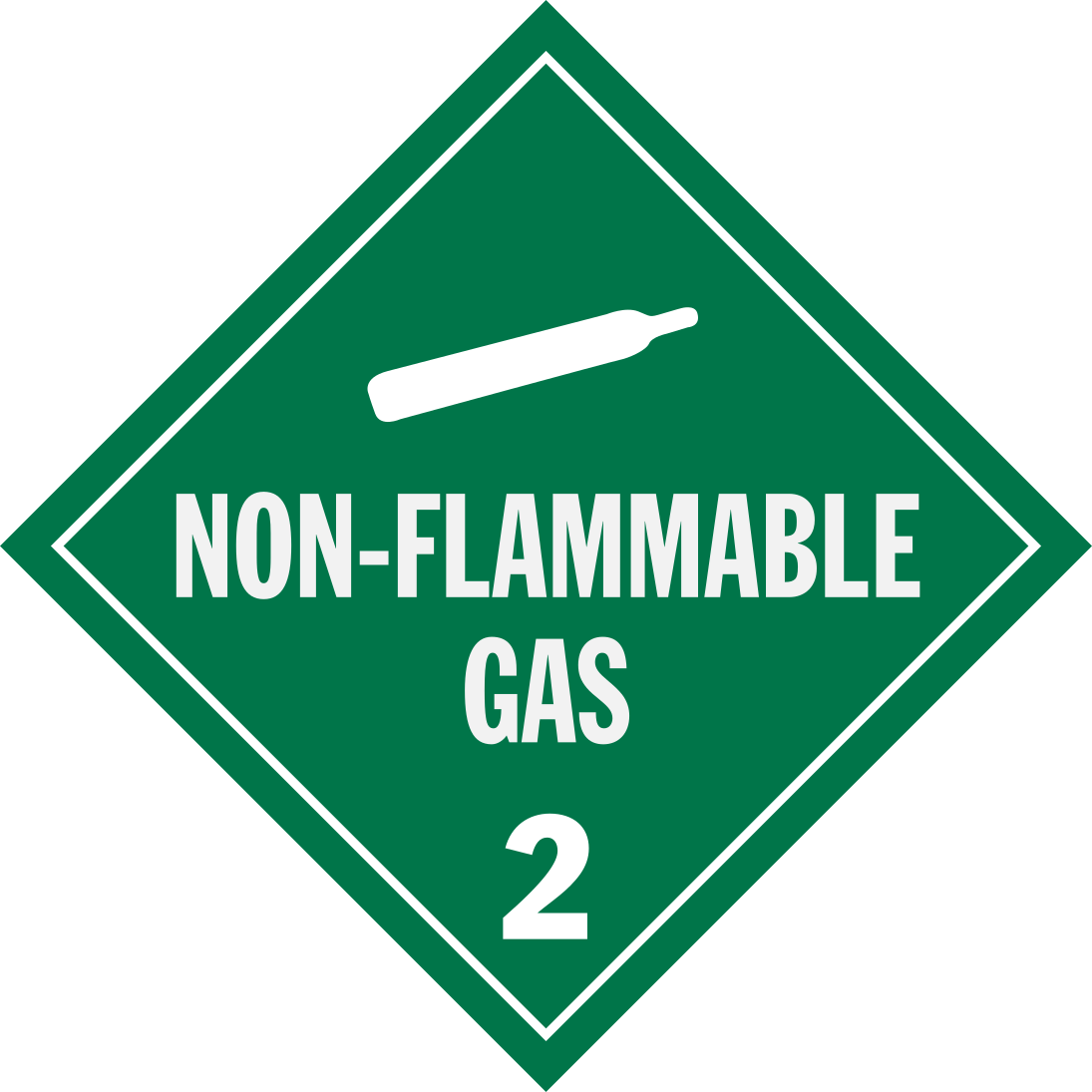
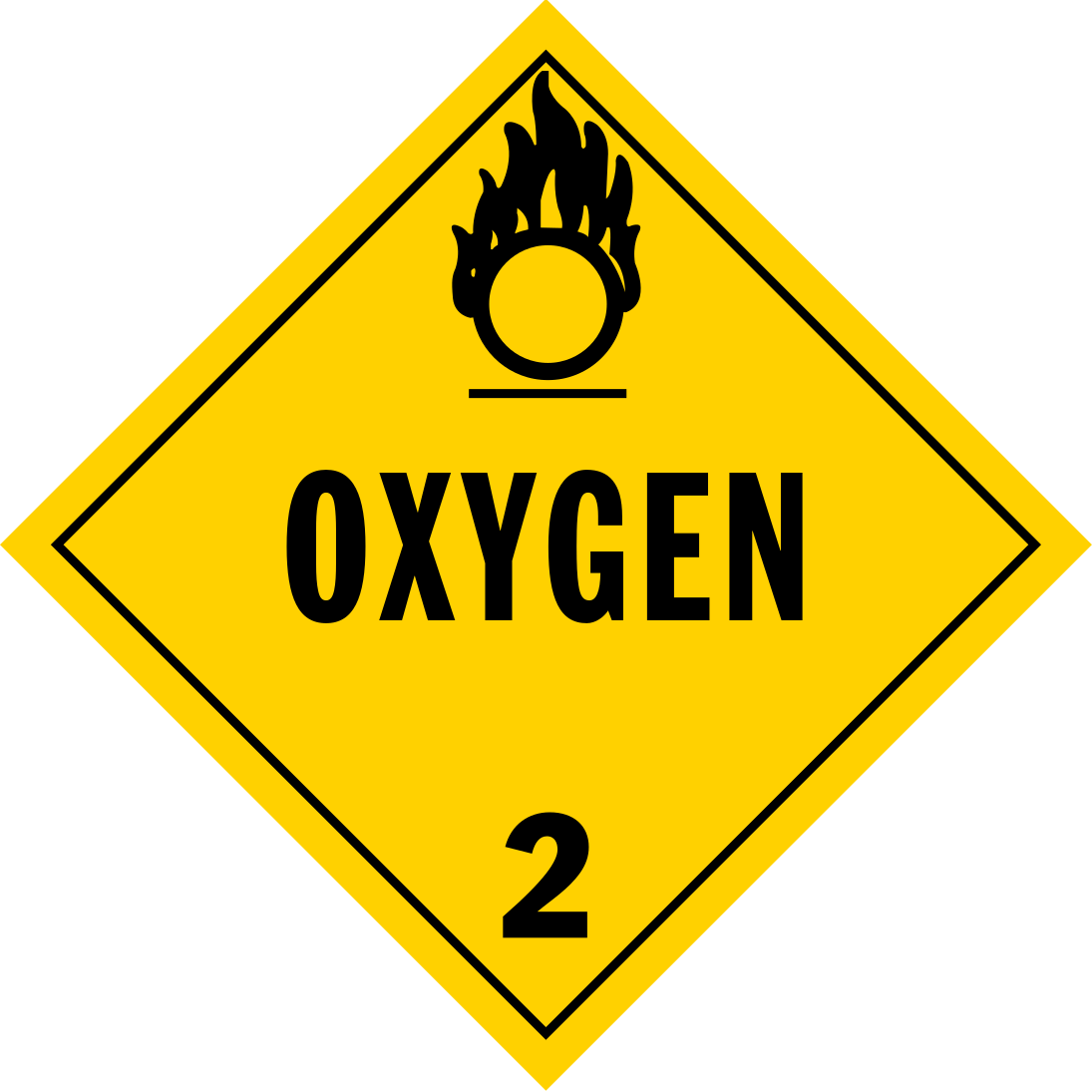
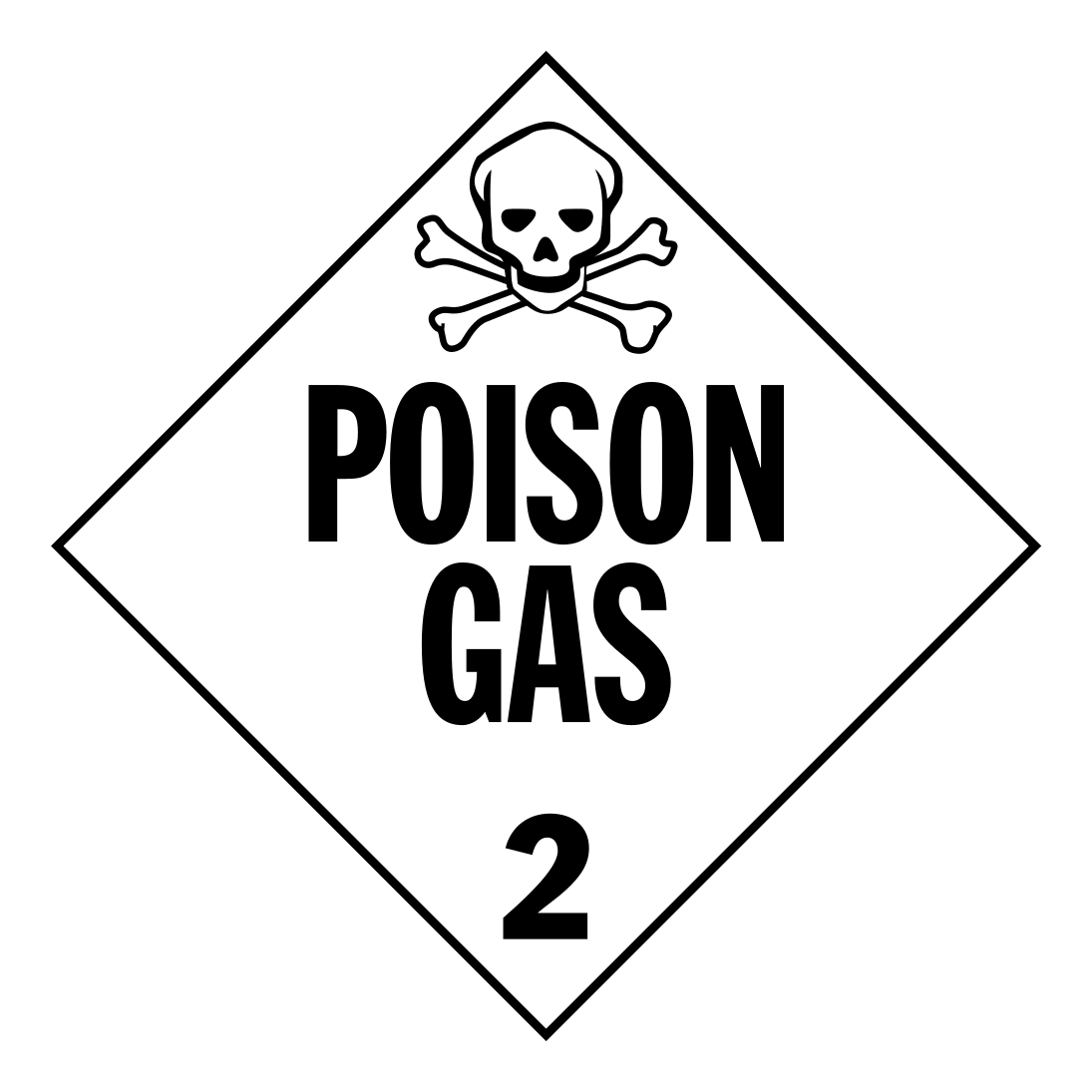
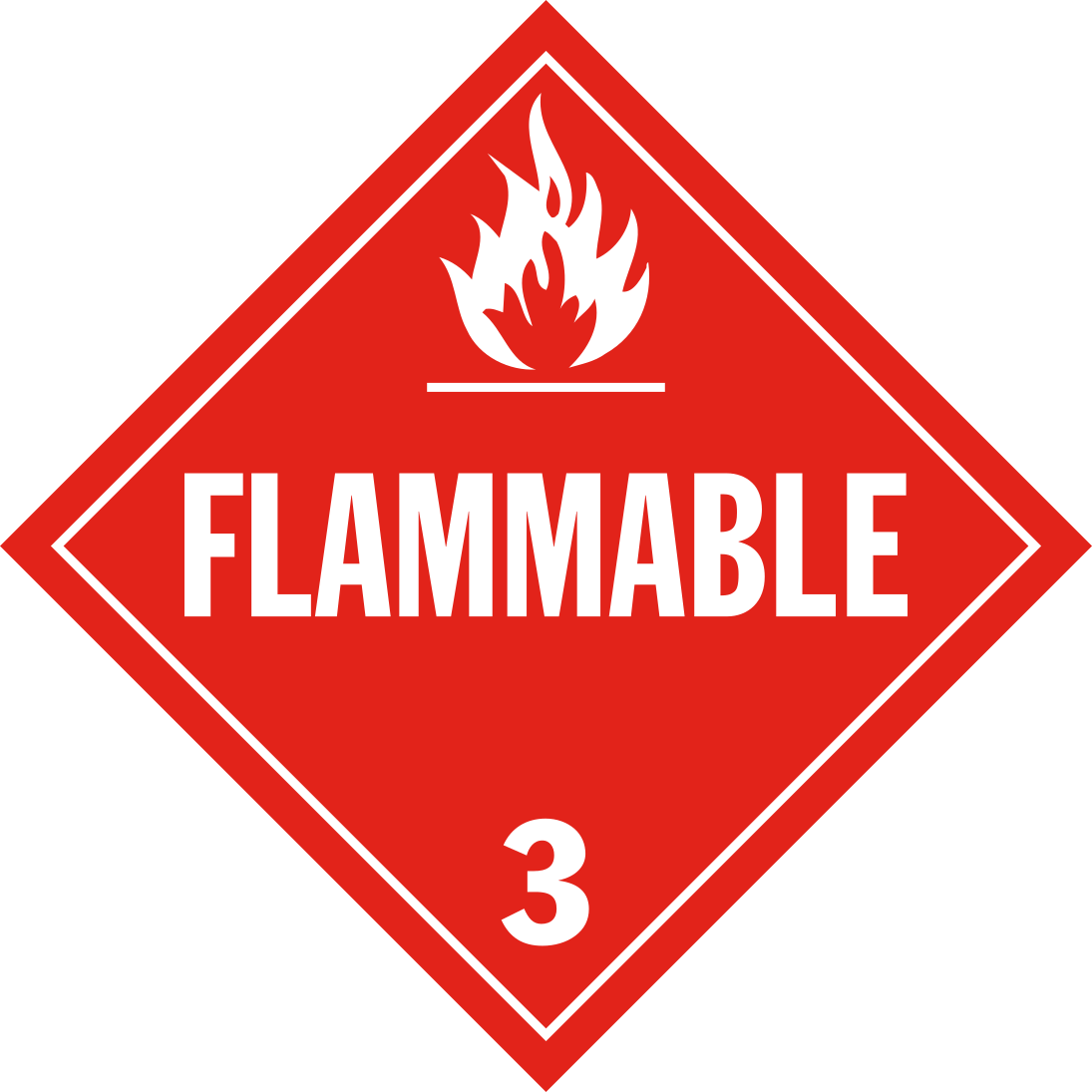
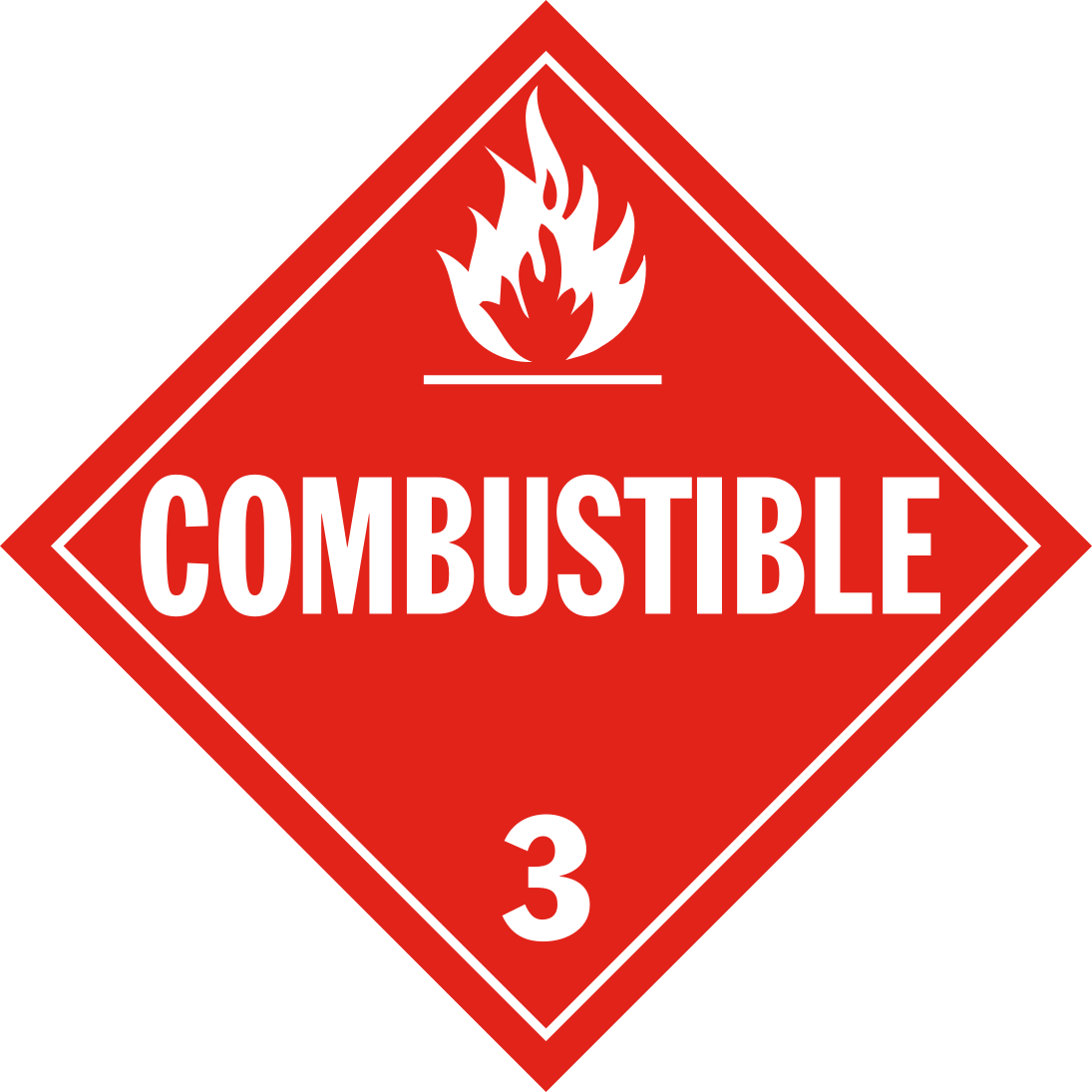
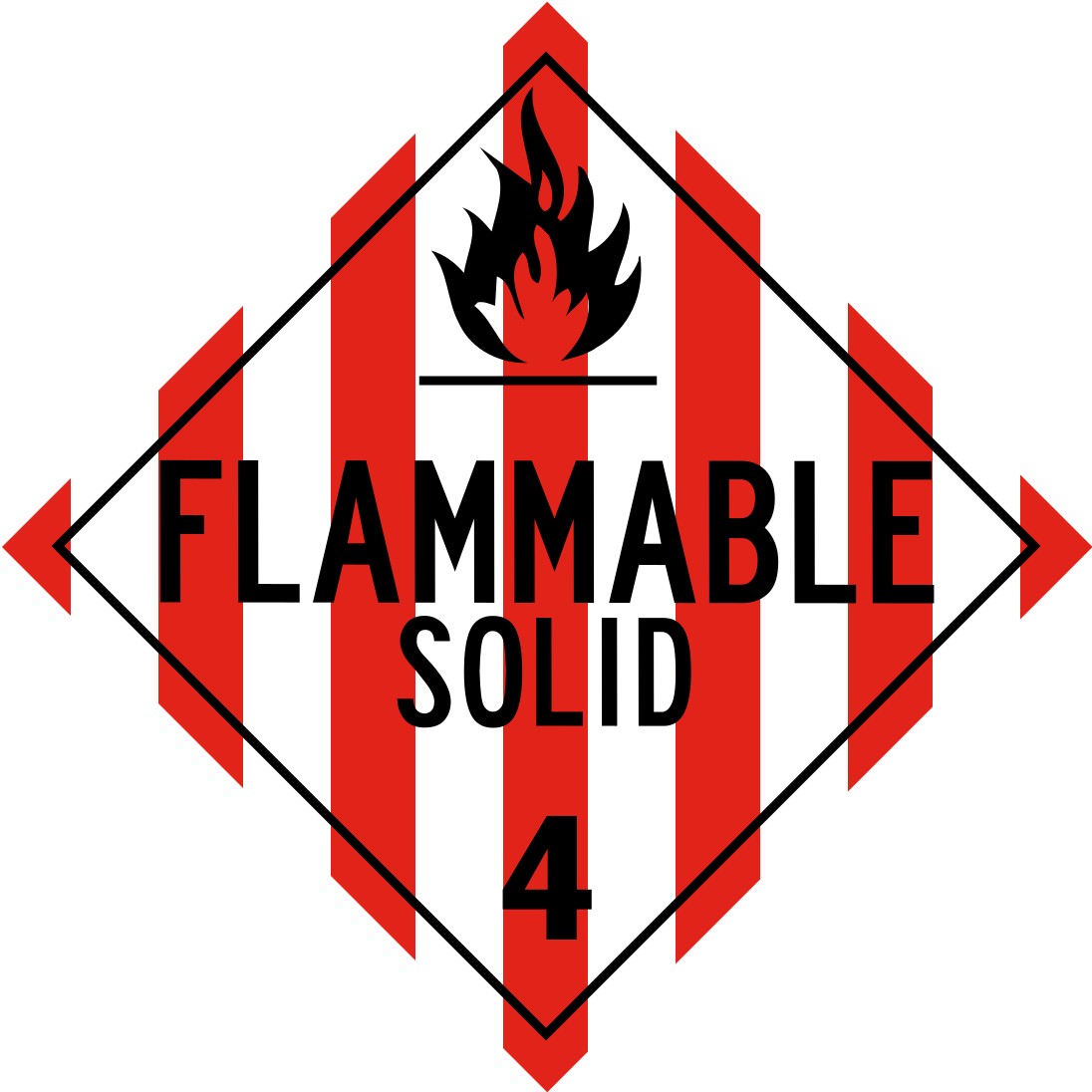
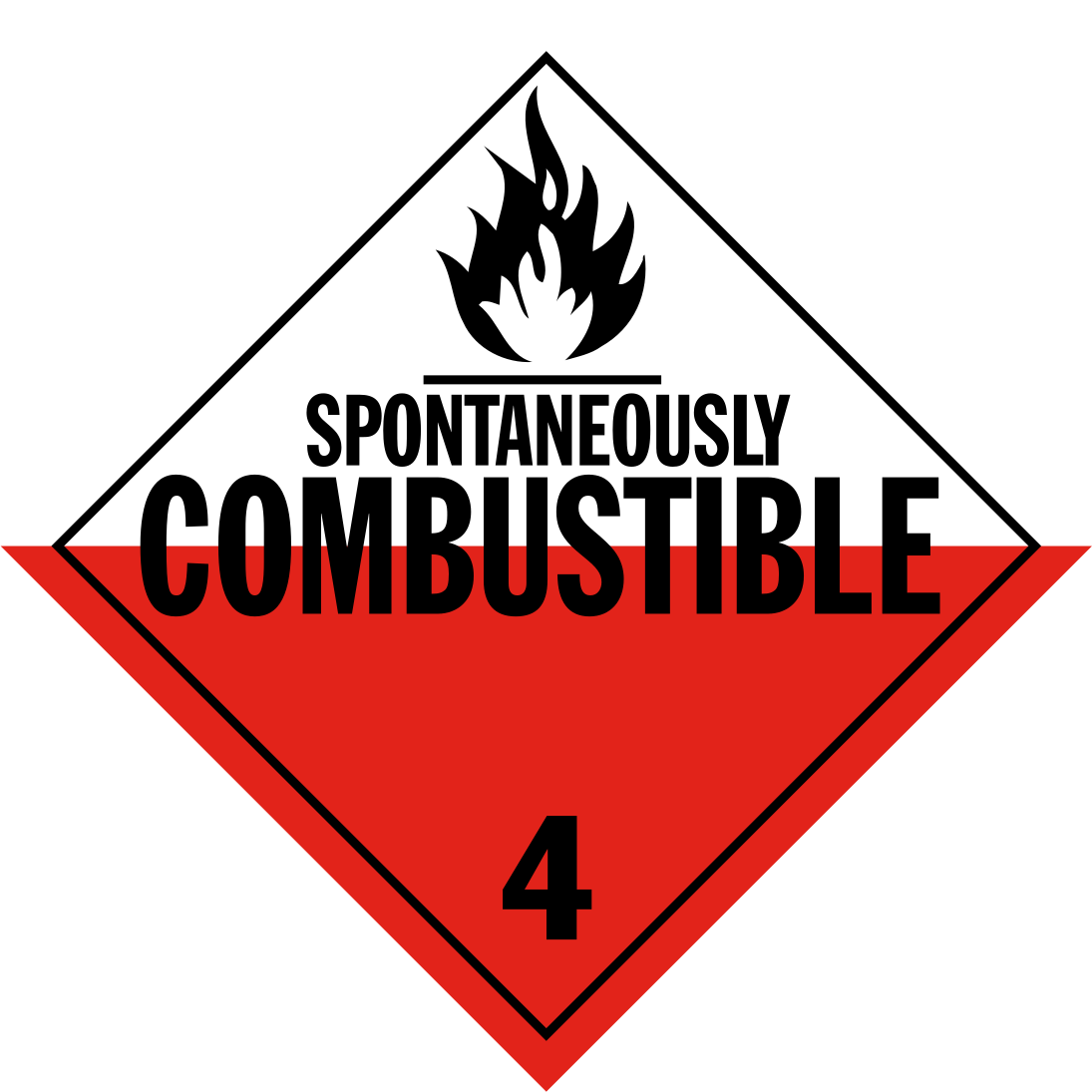
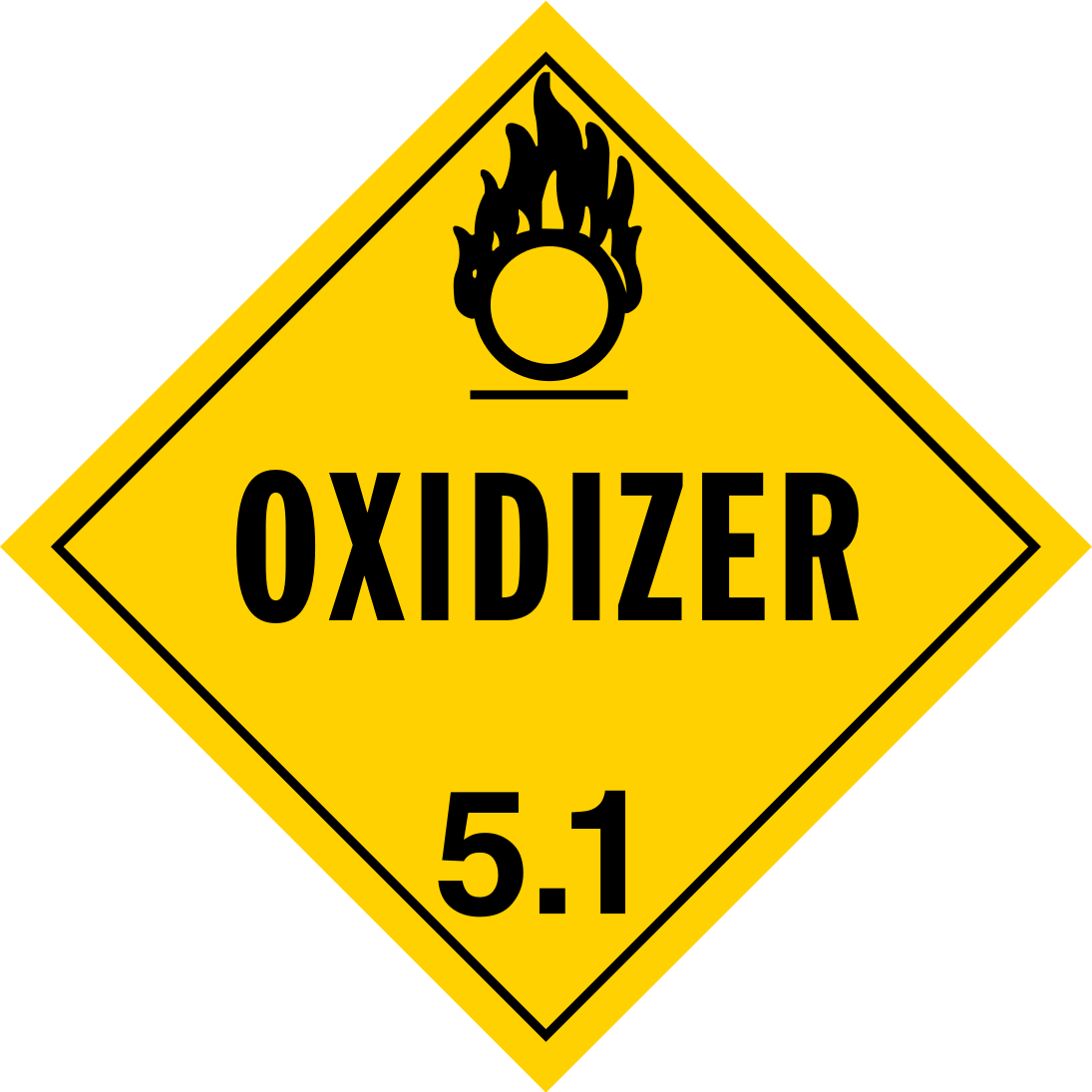
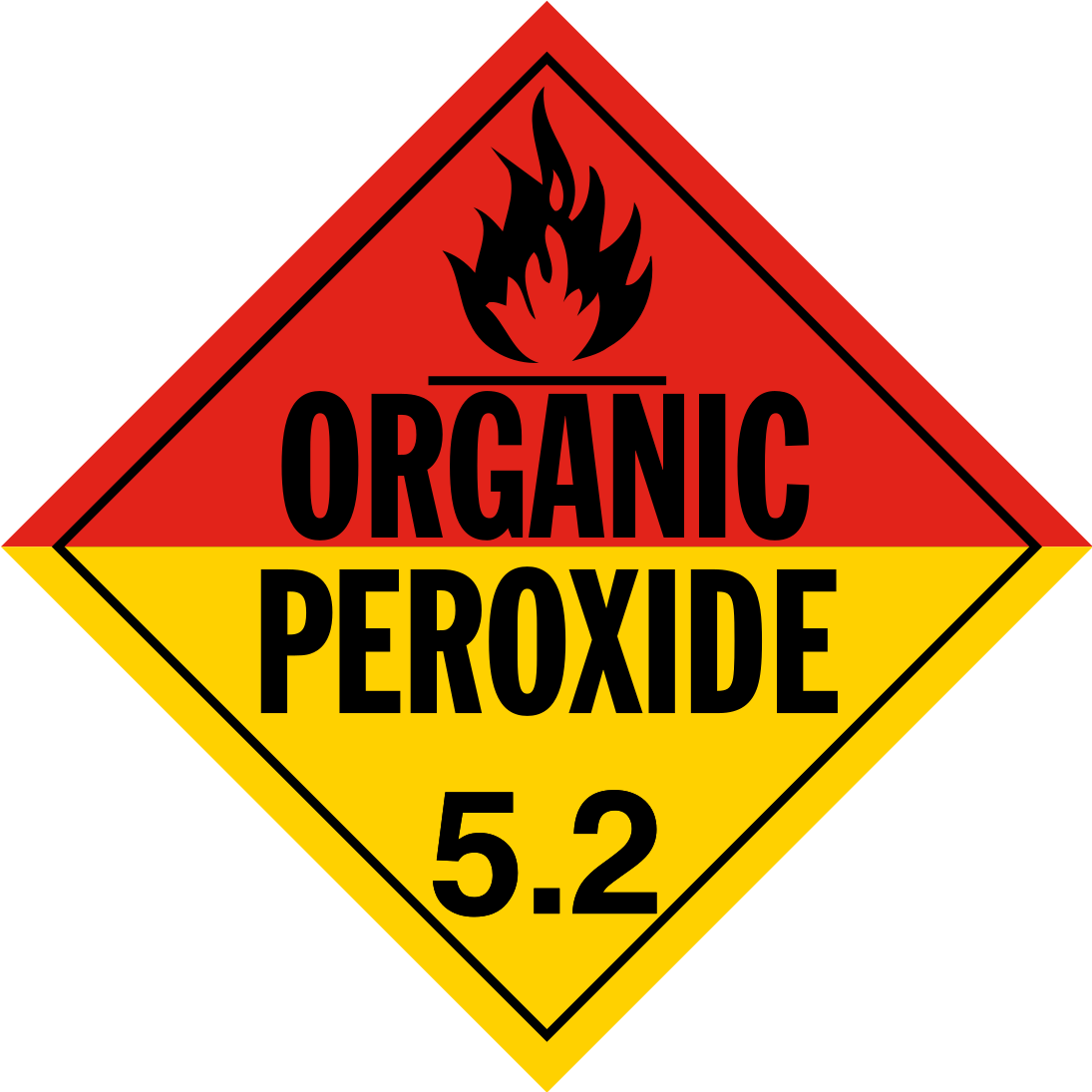
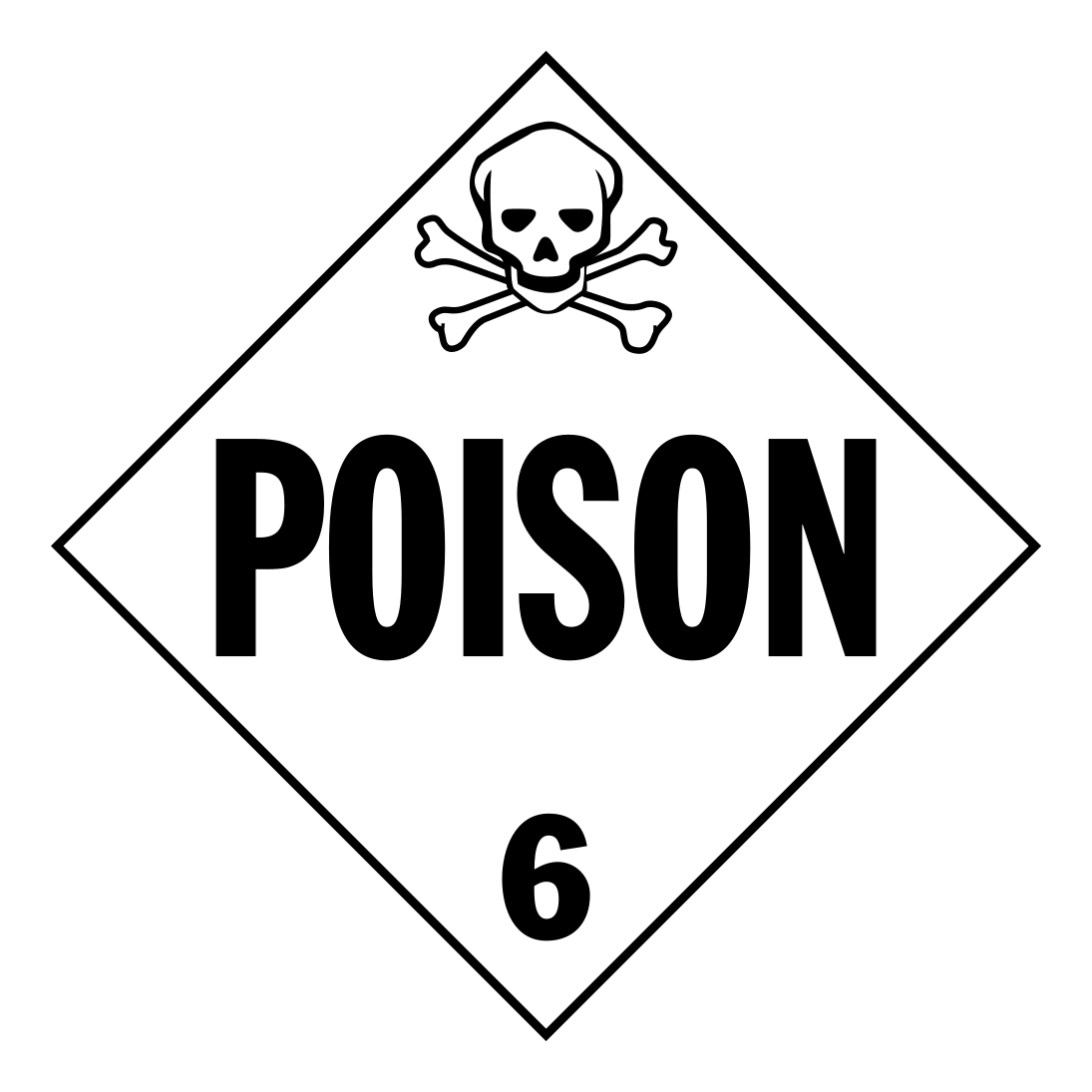
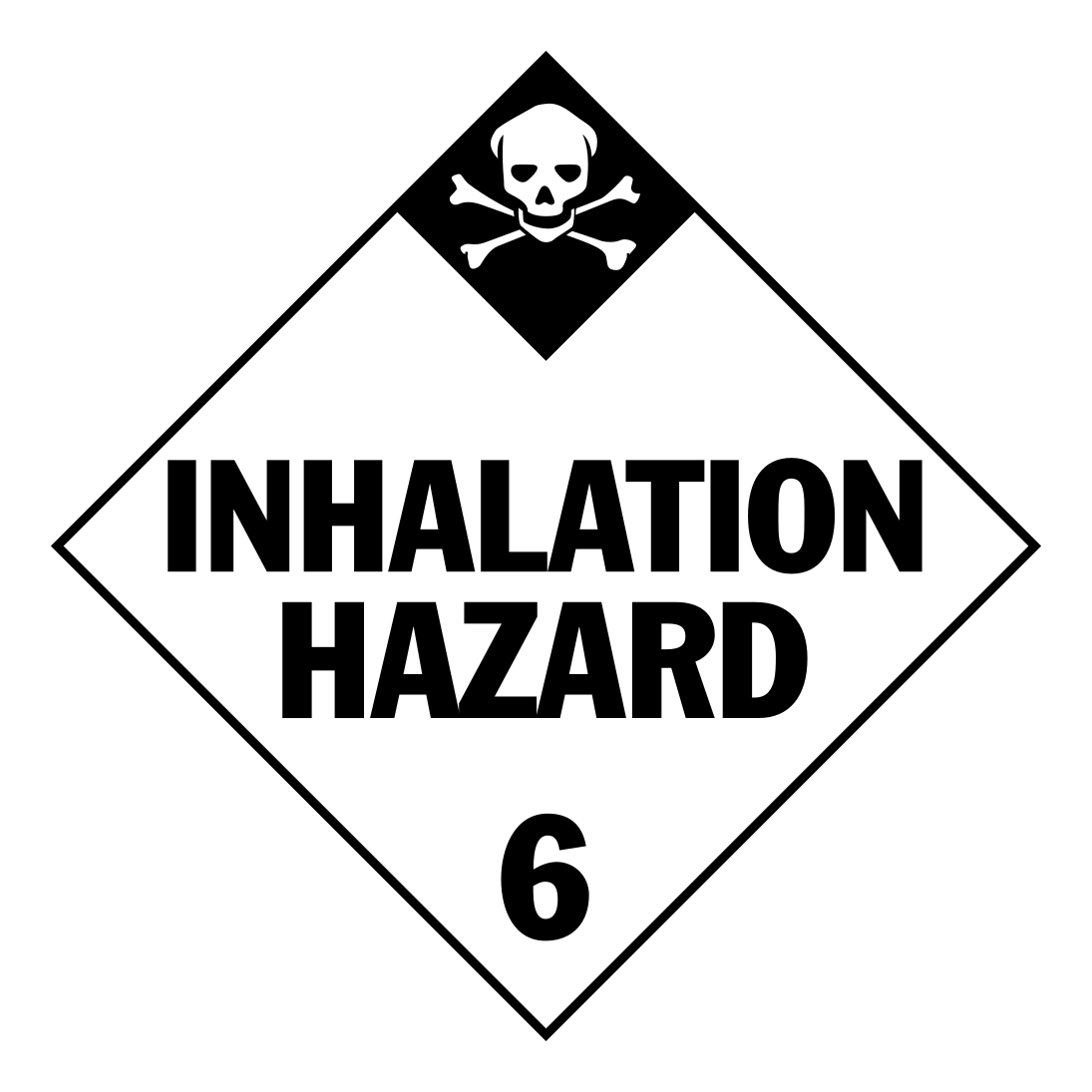
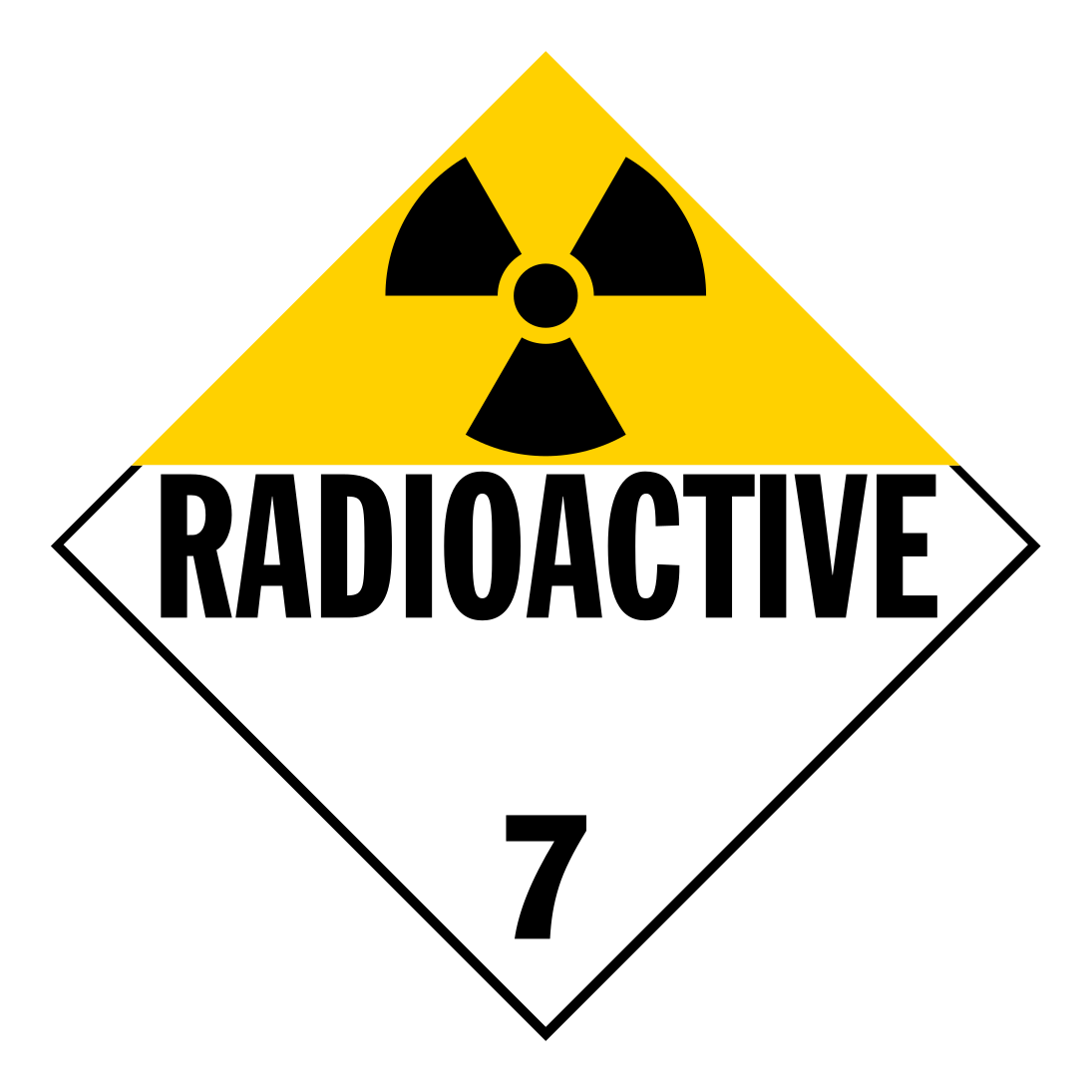
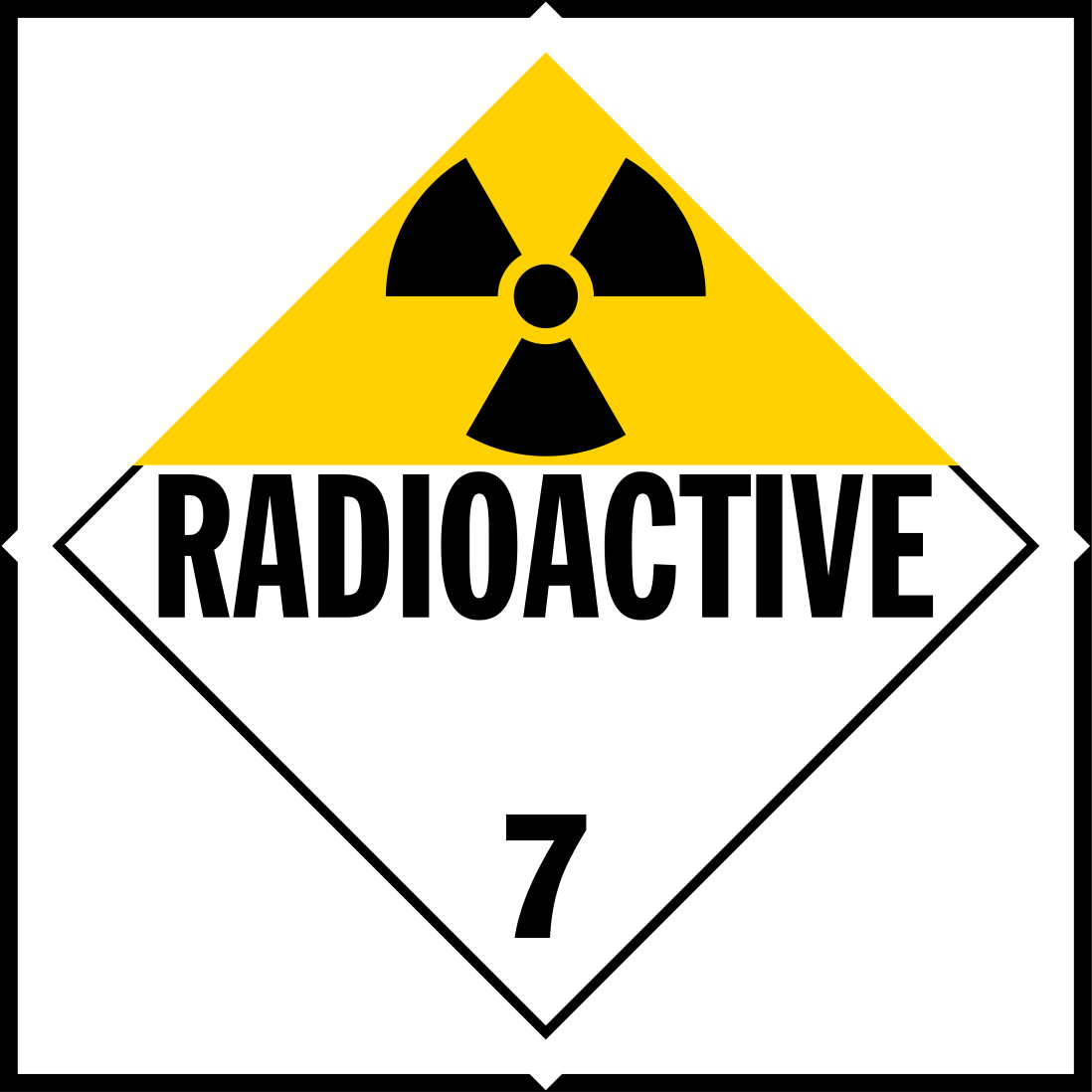
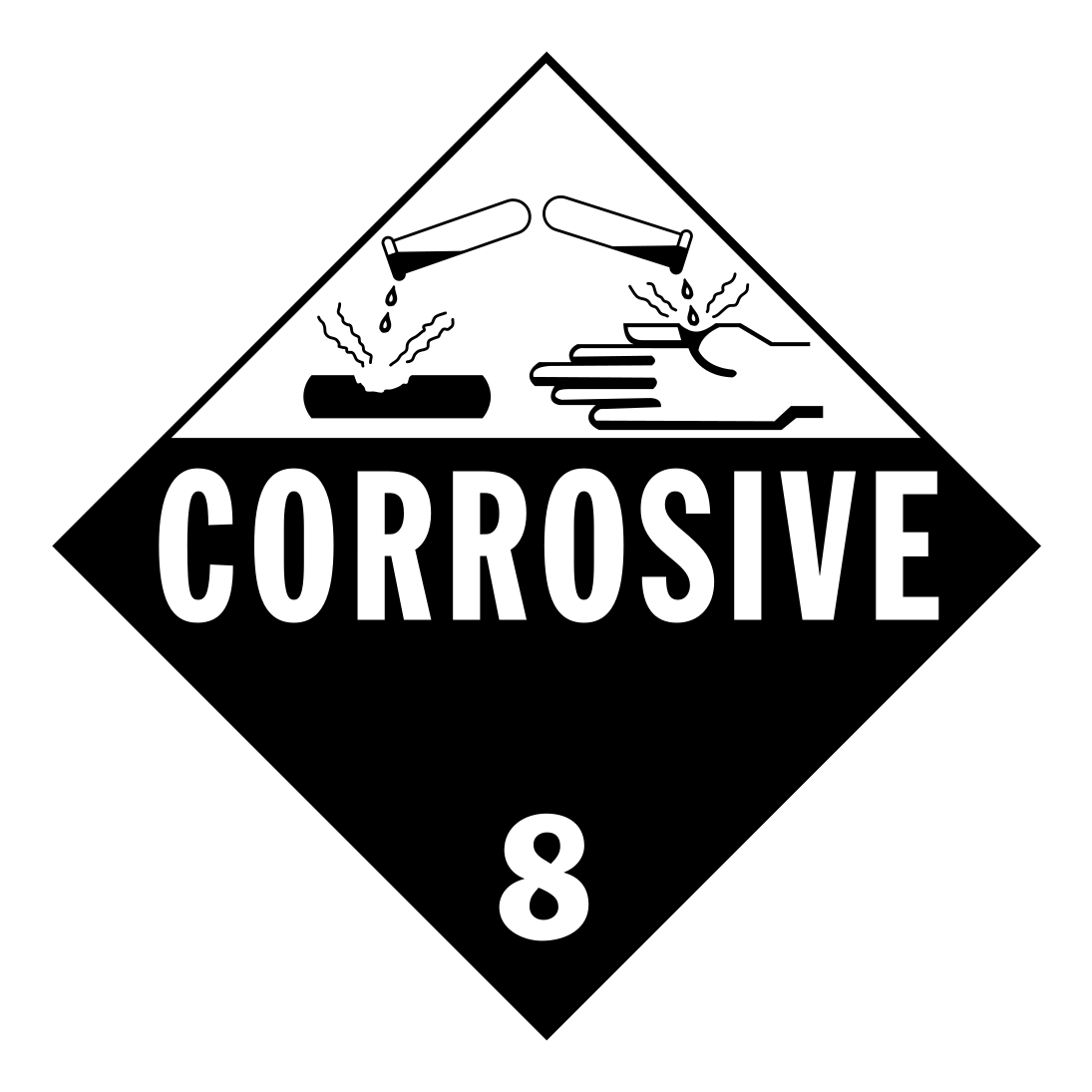
A placard is a specification, not a design: 49 CFR fixes the shape, the colour, the symbol and where the number sits. These are the Department of Transportation's own drawings. Learn to recognise them and you can read a chassis from across a yard.
The placards below are shown in English because that is how they are printed on US equipment. Match what you see here against what is bolted to the chassis in front of you.
This is a recognition aid and not the rule. The placarding tables in 49 CFR 172.504 decide what a given shipment actually requires, and that call belongs to the shipper.



Where they go on the equipment
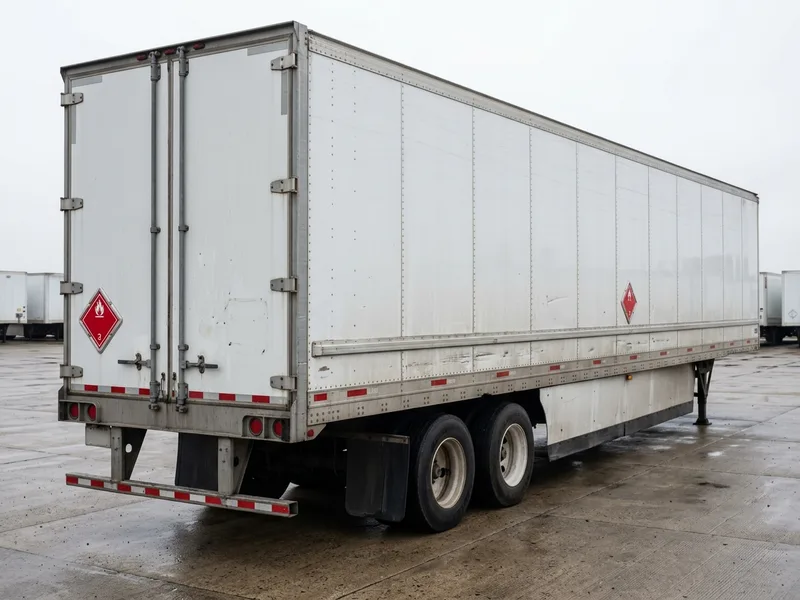
One on the rear, one on the side. Each side and each end carries its own, which is four on a trailer, not one.
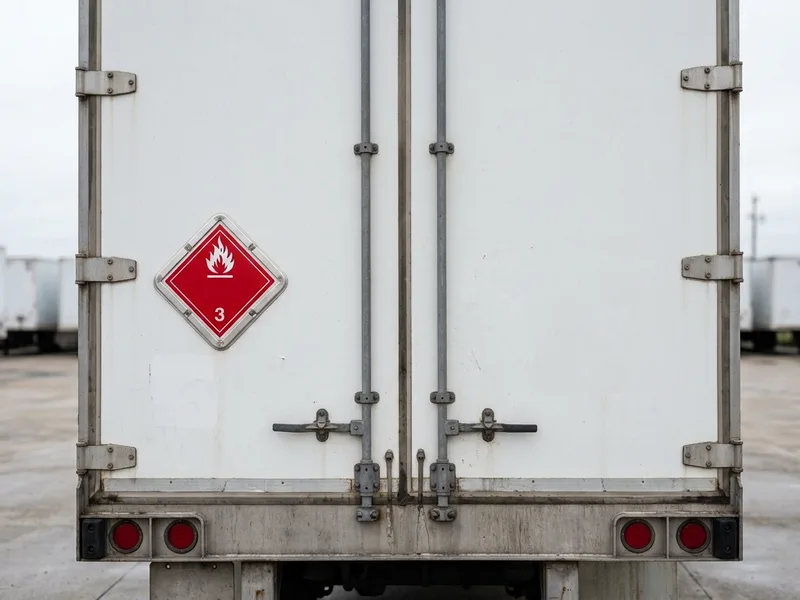
Clear of the locking bars, the hinges and the door seal, with space around it. A placard an appurtenance covers is a placard nobody can read.
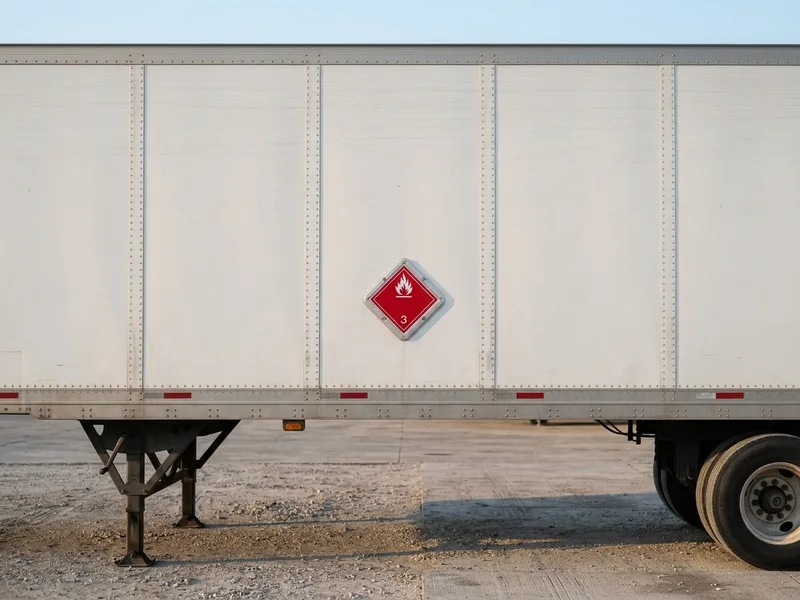
The side placard, readable from the direction it faces and well away from any other marking.
One difference worth knowing if you ship from Europe: the orange plate with two numbers, a hazard identification number over the UN number, is ADR practice and is not used that way here. In the United States the UN number appears on the placard itself or on a plain orange panel, and only on bulk packagings such as a tank container. A van of packaged freight carries the placard alone.
Division 6.2, infectious substances, is missing from that grid on purpose: under 49 CFR those are labelled rather than placarded, so showing a 6.2 placard would be teaching something that is not true.
What it costs
Equipment
Ports
Questions
Straight answers
Can you move Class 2 gases, or Class 8, or any particular class?
It is answered per commodity rather than per class, and before you book. Capacity is one half of it and moves week to week, so a class that ran last month may have no truck this one. The commodity is the other half: two loads can share a hazard class and be entirely different jobs to move, which is most obvious once gases in bulk and refrigerated liquefied gases are involved. Ask with the UN number rather than the class and you get an answer you can schedule against.
Who places the placards, you or us?
Normally the shipper, along with the dangerous goods declaration, because the description, the UN number, the packing group and the emergency contact all come from the party who knows what is actually in the box. If you need the driver to carry and place them instead, that has to be arranged before the appointment. A driver who reaches the gate without the right placards cannot fix it in the lane, and the slot is gone.
Can a placarded container use the PortMiami Tunnel?
No. Placarded hazardous materials are prohibited in the tunnel outright, so the box leaves PortMiami over the Port Boulevard bridge, across Biscayne and through downtown instead. It is a routing fact rather than a permit problem: a Florida permit says what you may move on the road, it does not open the tunnel. Plan it in and the move is ordinary.
What do you need from me to book a placarded load?
The UN number, the proper shipping name, the hazard class and packing group, the quantity, and the 24-hour emergency response telephone number that appears on the declaration. Say too whether the container is fumigated and whether the load is a marine pollutant. Send it with the booking rather than at pickup, because the routing, the placards, the appointment and which driver runs it are all decided by those fields.
How many placards does a container need, and where?
Four. Each side and each end, so the load is identified from whichever direction a responder approaches it. A single placard on the door end is the most common thing wrong with a box arriving from a ship. A tank container also has to show the UN identification number, either on the placard or on the orange panel beside it.
What quantity of hazmat triggers a placard?
It depends on the material. Some, including poison-inhalation gases, dangerous-when-wet materials and the higher explosive divisions, are placarded at any quantity at all. Most of the rest start at 454kg, or 1,001lb, aggregate gross weight. The tables in 49 CFR 172.504 are what actually decide it, and the shipper makes that call. A bulk packaging, which is what a tank container is, also has to show the UN identification number, either on the placard itself or on the orange panel beside it, so a responder knows what is inside rather than only what family it belongs to.
How do I get a rate?
Send the lane, the equipment, the container size and the port, and we come back with a number. Quotes and dispatch run 24 hours a day at quotes@dariaslogistics.com.