哪些货能走,以及单证必须写清什么
九个危险品类别都能走这张网,包装货和罐式集装箱里的散装货都可以。第 1 类(爆炸品)和第 7 类(放射性物质)是多数承运人不明说但会婉拒的两类,也正是授权最关键的两类:这两类,连同吸入毒性气体和某些散装货,除了司机的 hazmat 背书之外,还需要 FMCSA 的 Hazardous Materials Safety Permit。
每一票挂标牌的货,都由持 hazmat 背书的司机运送,并在其类别所要求的许可下运行。没有这两样,货就不动。
运力是另一个问题,我们分开回答。某一类别的运力逐周变化,所以在据此做计划之前先问一句。没有运力时,答复就是没有运力,而且是在你还来得及安排的时候给你,而不是在接了订舱之后。
标牌与托运人申报
标牌由托运人张贴,危险品申报也由托运人出具。这是通行的分工,我们也照此执行:品名、UN 编号、包装类别和应急联系人,都出自真正知道箱子里是什么的一方。
如果需要由司机携带并张贴标牌,必须在预约之前谈好,而不是到了门口才说。司机到场却没有对应的标牌,在车道上是补不回来的,这个预约也就作废了。订舱邮件里写一行就够。
没人提起、等到发现时已经晚了的路线后果
挂标牌的货不能走 PortMiami Tunnel。隧道对挂标牌的危险品是封闭的,所以柜子要从 Port Boulevard 的桥出港,穿过 Biscayne,再走迈阿密市中心。
这是路线问题,不是许可问题。佛州的许可说明你在公路上可以运什么,它并不能打开隧道。这两件事常被混为一谈,于是有货到了才发现走不了近路,而差别在于要多绕一段市区道路,出发时间需要专门挑过。
提前排进计划里,这一趟就很平常。等到拖着重柜停在隧道口才发现,就不平常了。
订舱时请一并提供
UN 编号、正确运输名称、危险品类别与包装类别、数量,以及会出现在申报单上的 24 小时应急电话。另外请注明柜子是否做过熏蒸、货物是否属于海洋污染物:这两项都会改变操作方式,虽然都不会导致运不了。
这些信息请随订舱一起发来,而不是等到提货当天。后面的每一步,路线、标牌、预约、派哪位司机,都由这几项决定。
标牌贴在哪里,尺寸又有什么要求
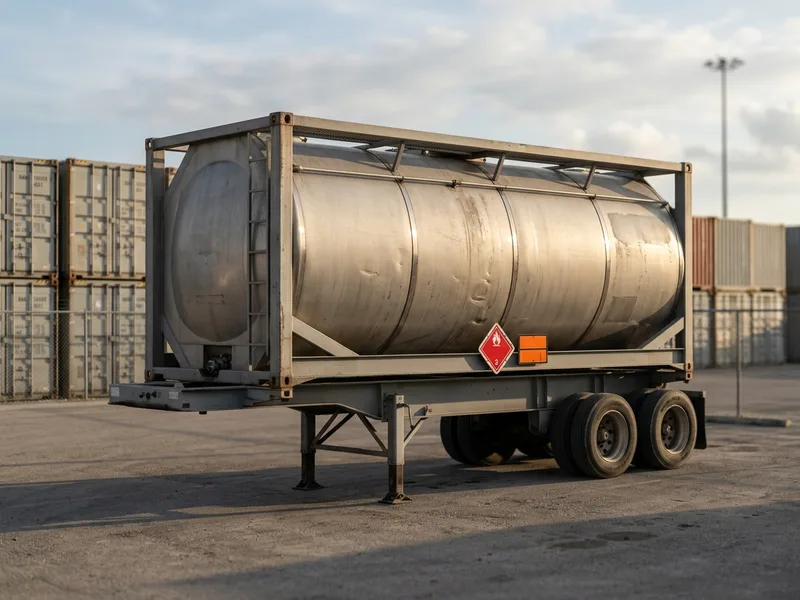
是四块标牌,不是一块:集装箱或挂车的每一侧和每一端都要贴,这样应急人员无论从哪个方向靠近都能识别这票货。只在门端贴一块,是我们在新手托运人发来的柜子上最常见的错误。
每一块都是一个立起来以角朝上的正方形,每边至少 273 毫米(10.75 英寸),并在距边缘 12.7 毫米处有一圈实线边框。它必须能从它所朝的方向读到,不能被爬梯、门、篷布或附件挡住,并且要与任何可能被误认作其组成部分的其他标记或广告保持至少 76 毫米(3 英寸)的距离。
散装包装(罐式集装箱就属于散装包装)还必须显示 UN 编号:写在标牌上,或写在旁边的橙色牌上。应急人员正是靠这个编号知道里面究竟是什么,而不只是知道属于哪一类。
多少量才需要贴标牌,取决于物质本身。有些物质,包括吸入毒性气体、遇水危险物质和较高级别的爆炸品,任何数量都必须贴。其余大多数从 454 公斤(1,001 磅)合计毛重起算。真正决定这件事的是 49 CFR 172.504 里的表格,而这个判断由托运人做出。
法规里的全部标牌,以及各自代表什么
标牌是一份规范,不是设计:49 CFR 规定了形状、颜色、符号,以及数字放在哪里。这里用的是美国交通部自己的图样。认得它们,你在场区另一头就能读懂一台底盘车上装的是什么。
下面的标牌都用英文显示,因为美国的车辆和柜子上印的就是英文。请拿这里看到的图样,去对照你面前底盘车上实际挂的那一块。
这是用来辨认的参考,不是法规本身。某一票货究竟需要什么,由 49 CFR 172.504 中的表格决定,而这个判断属于托运人。
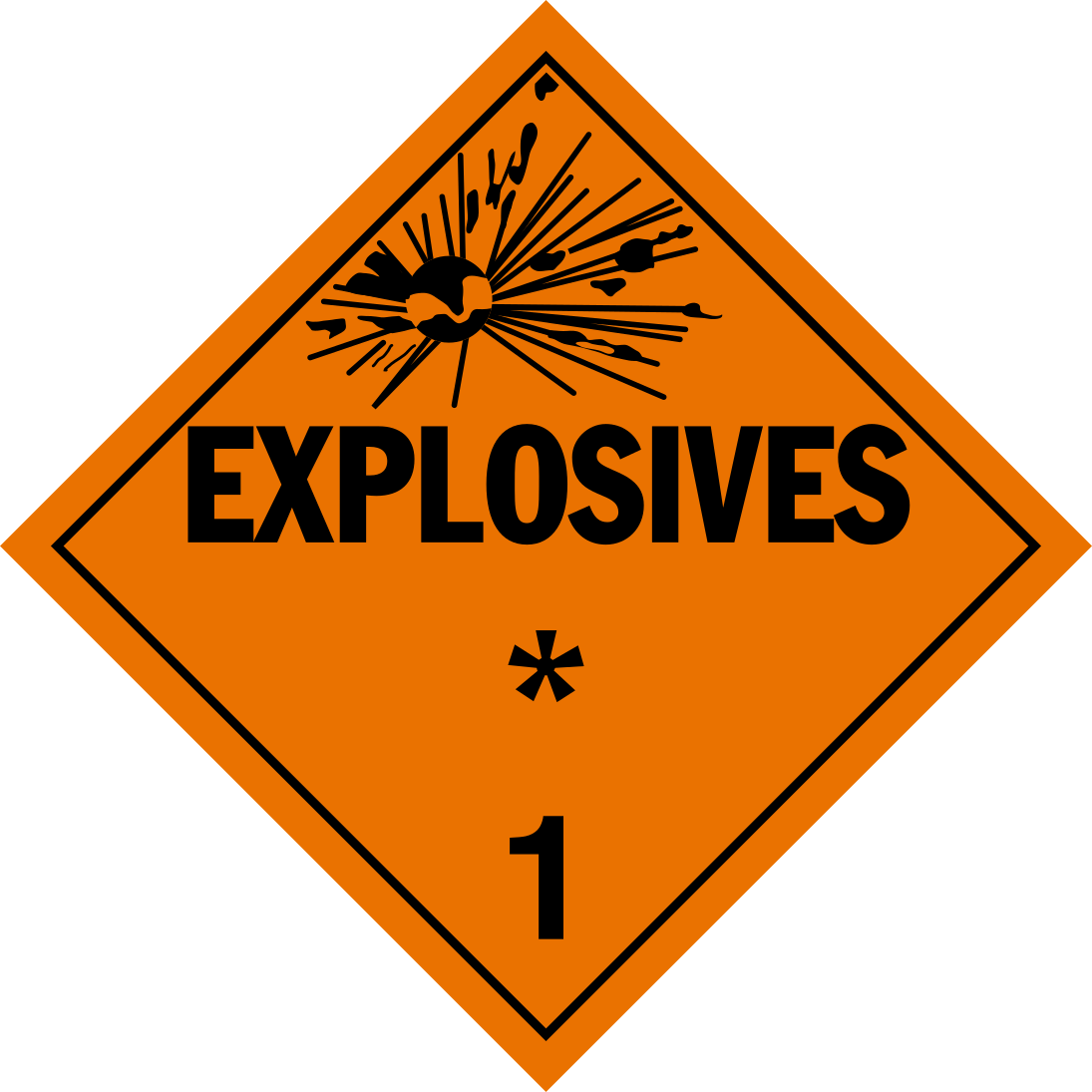
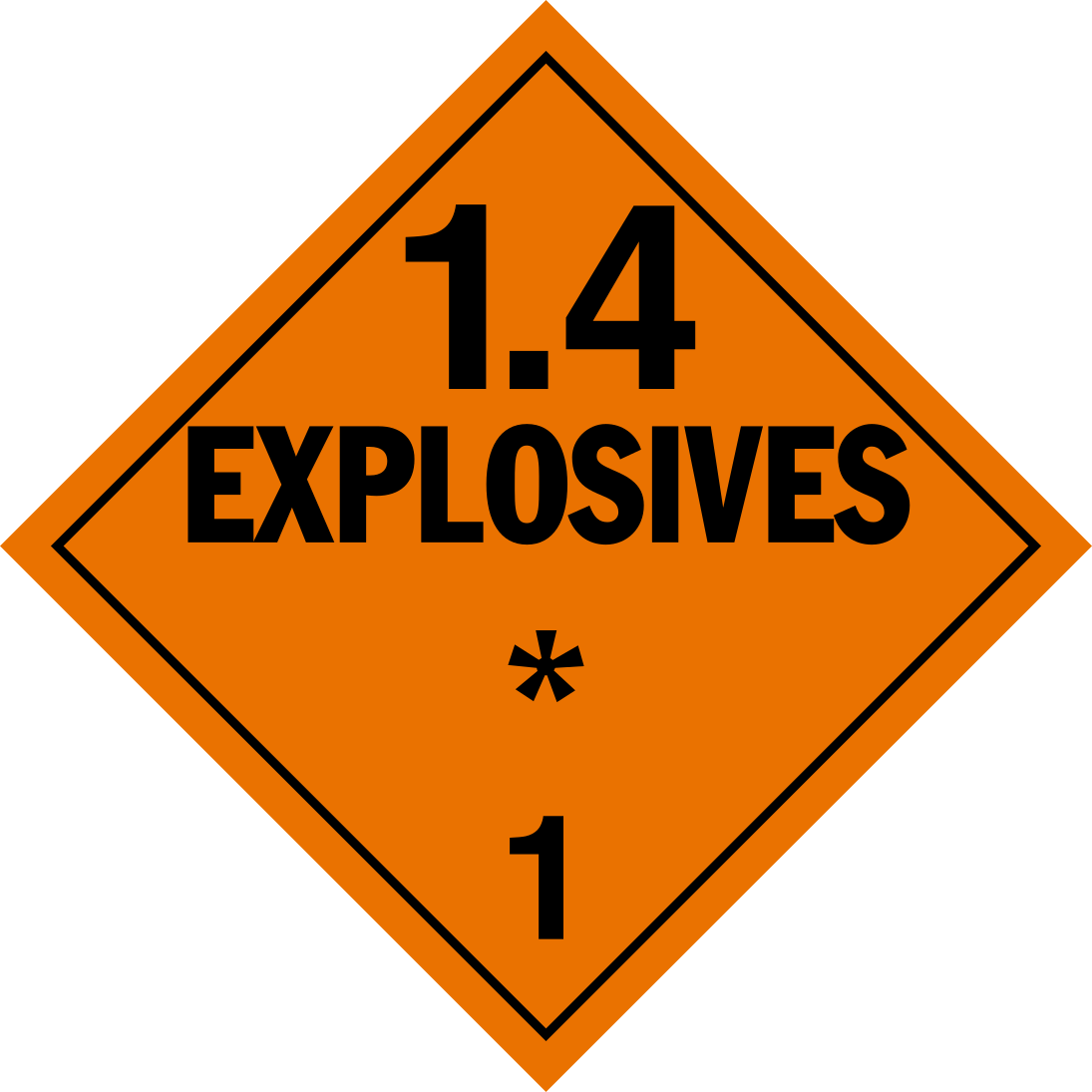
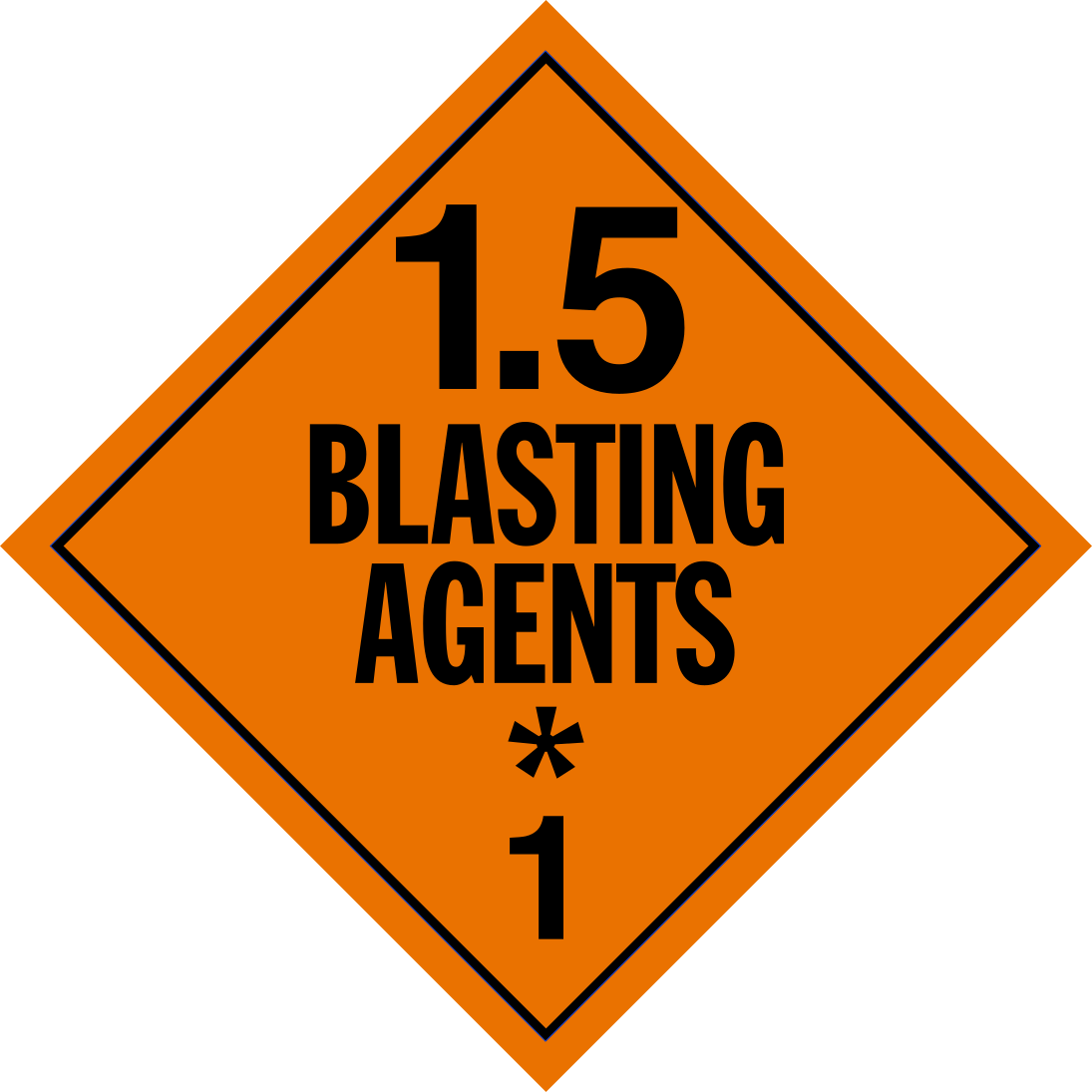
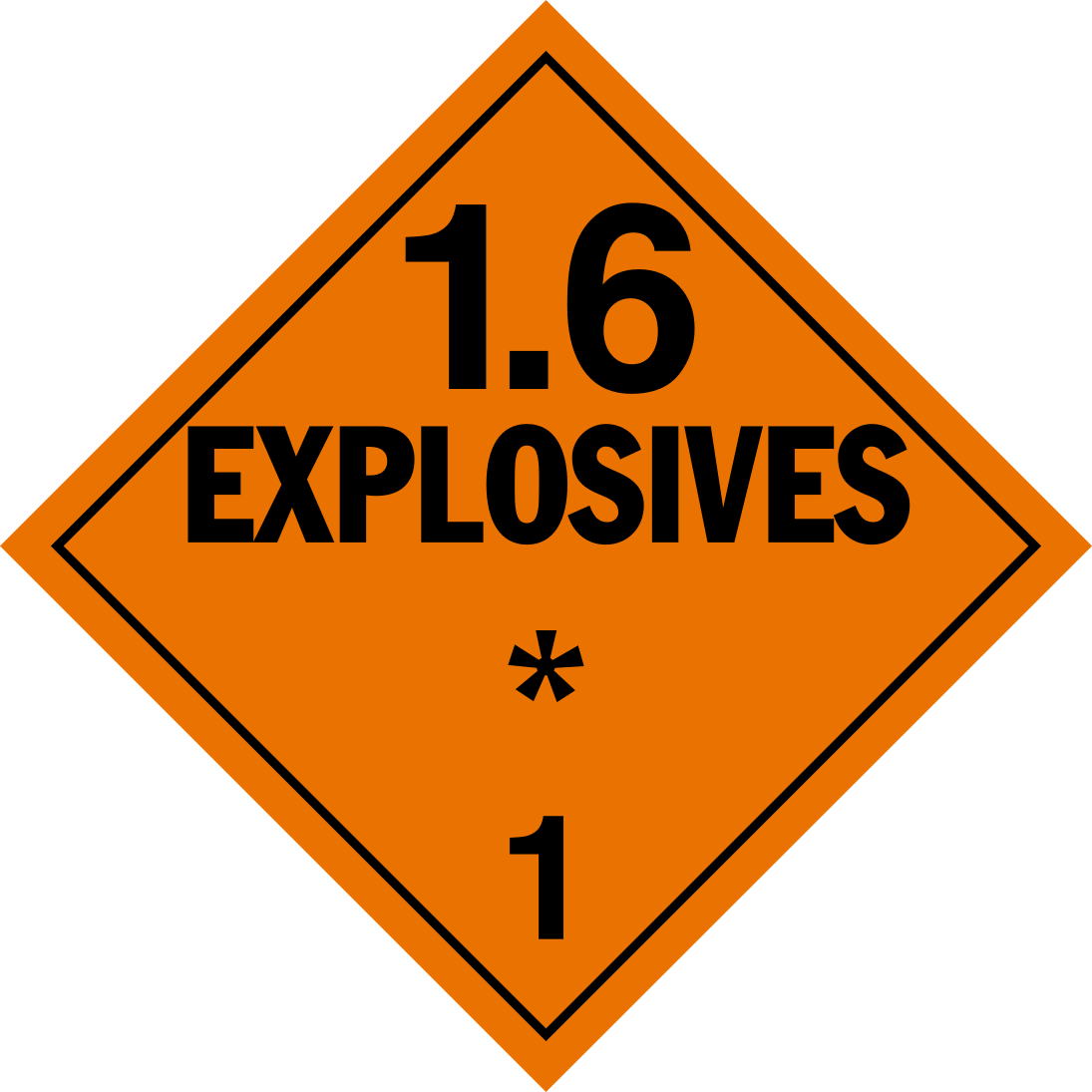
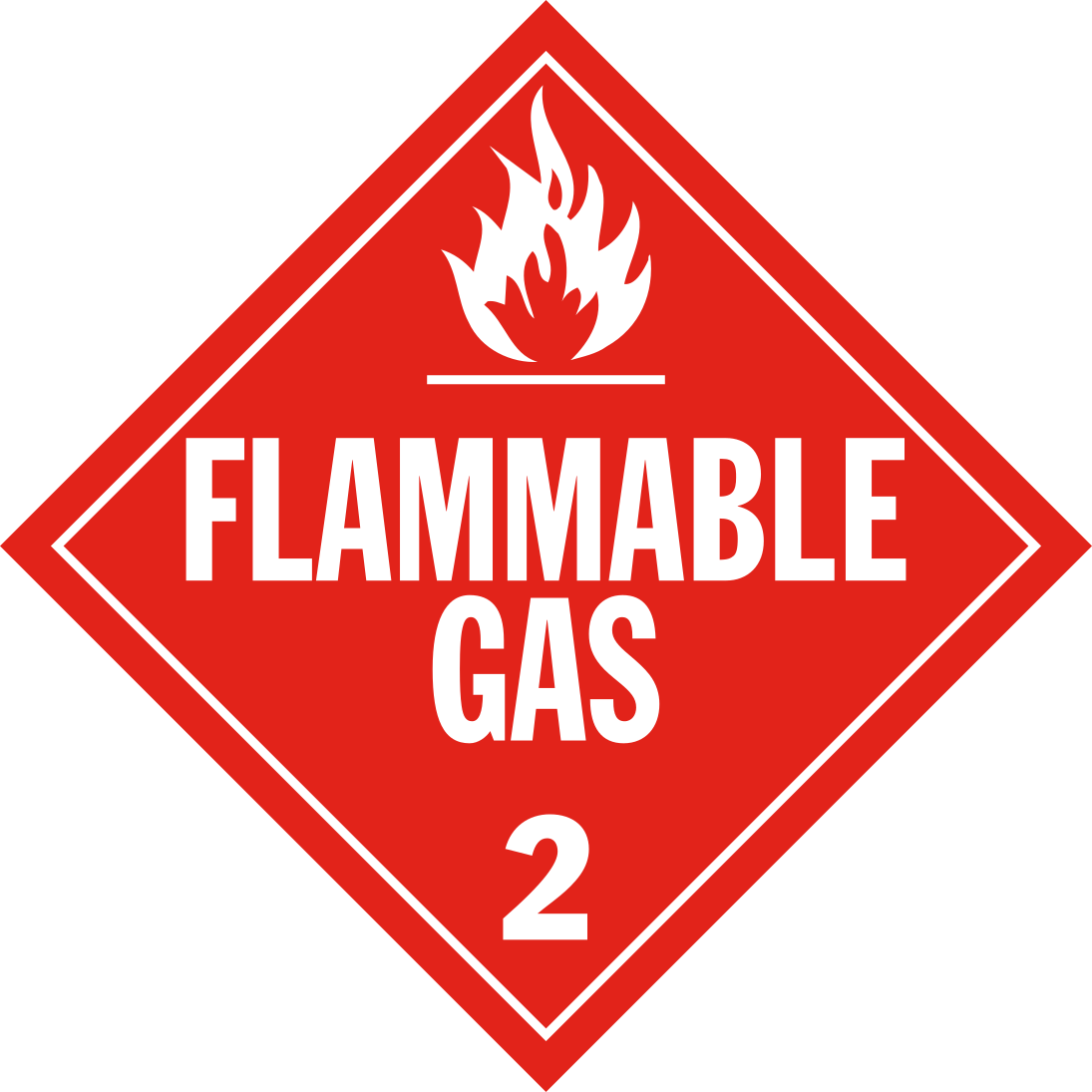
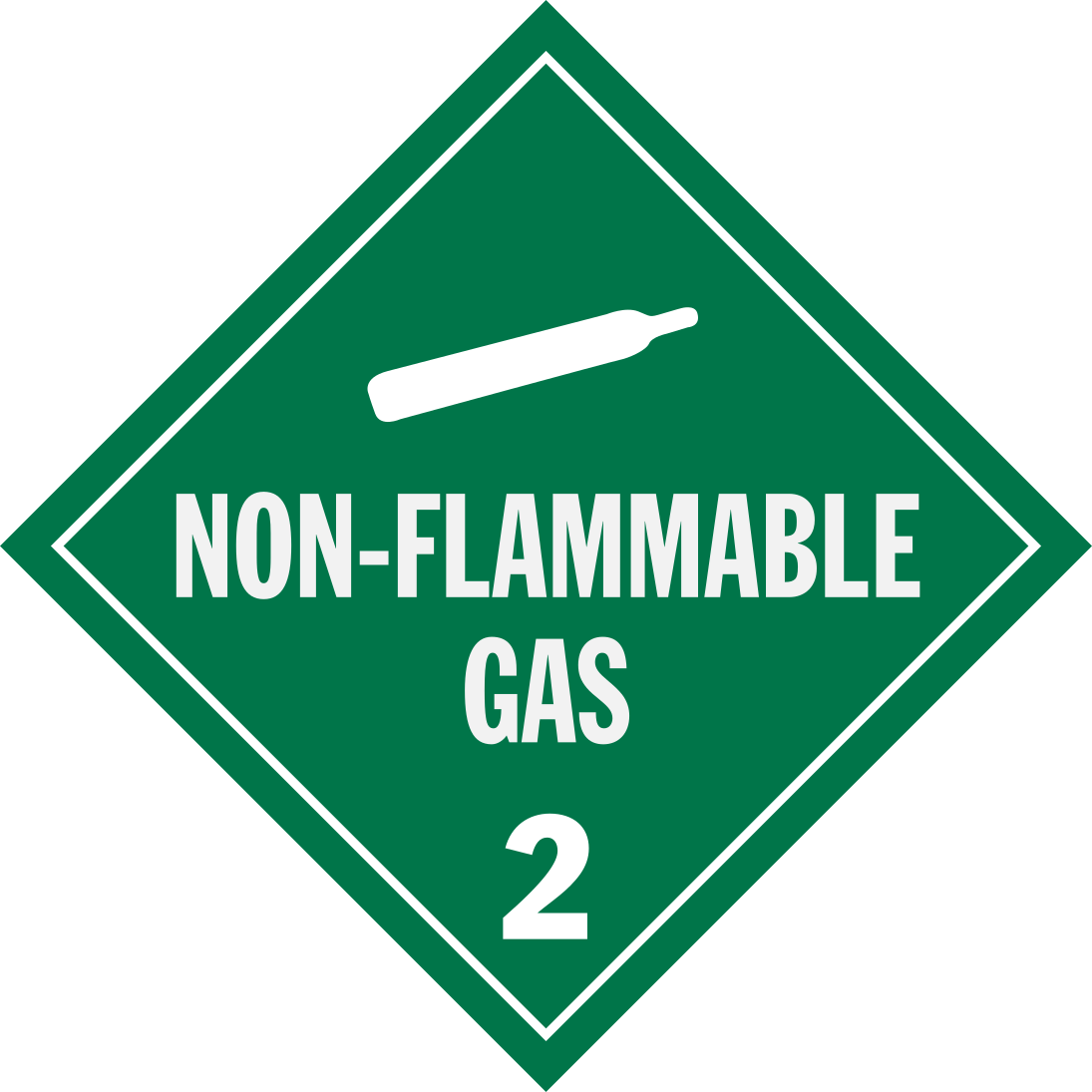
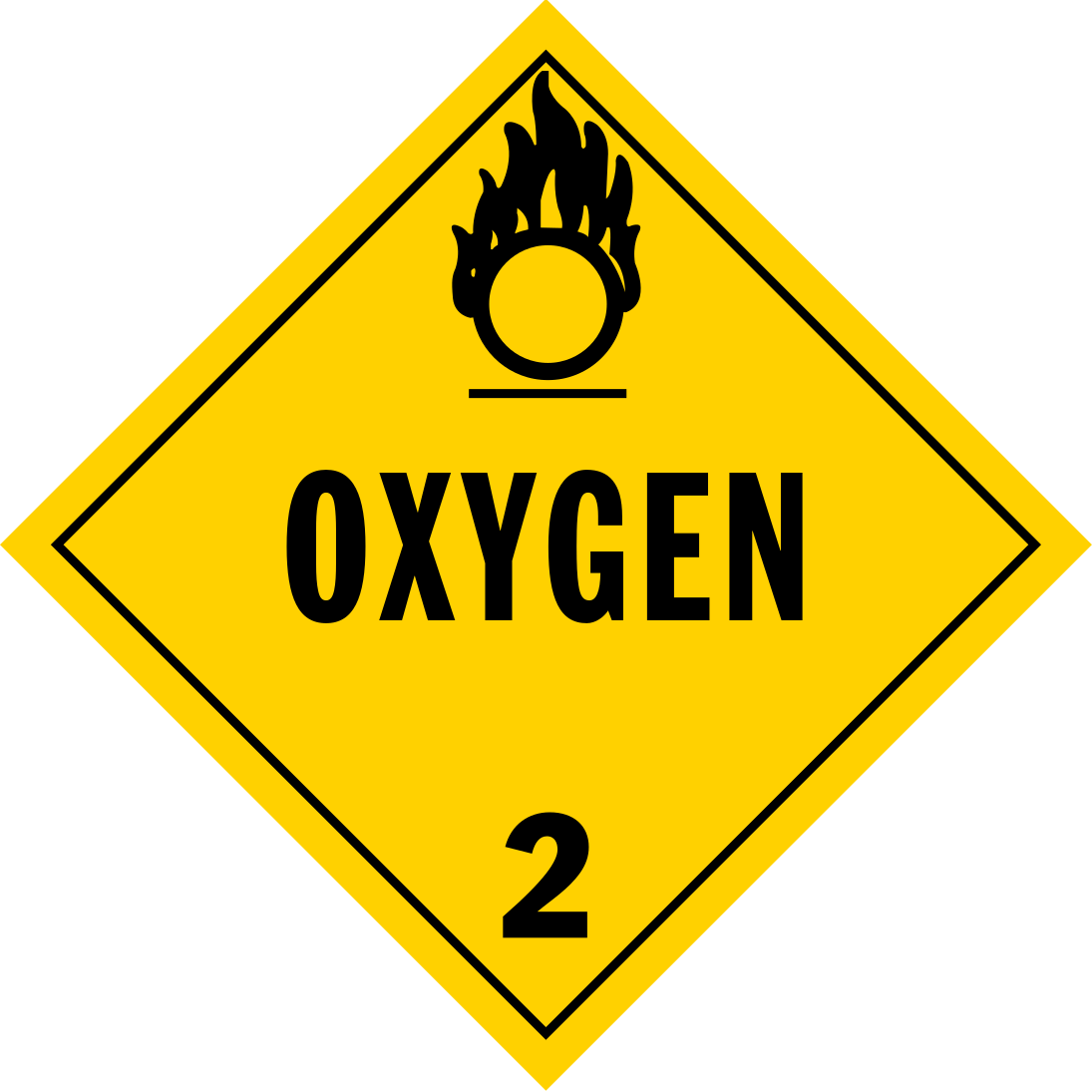
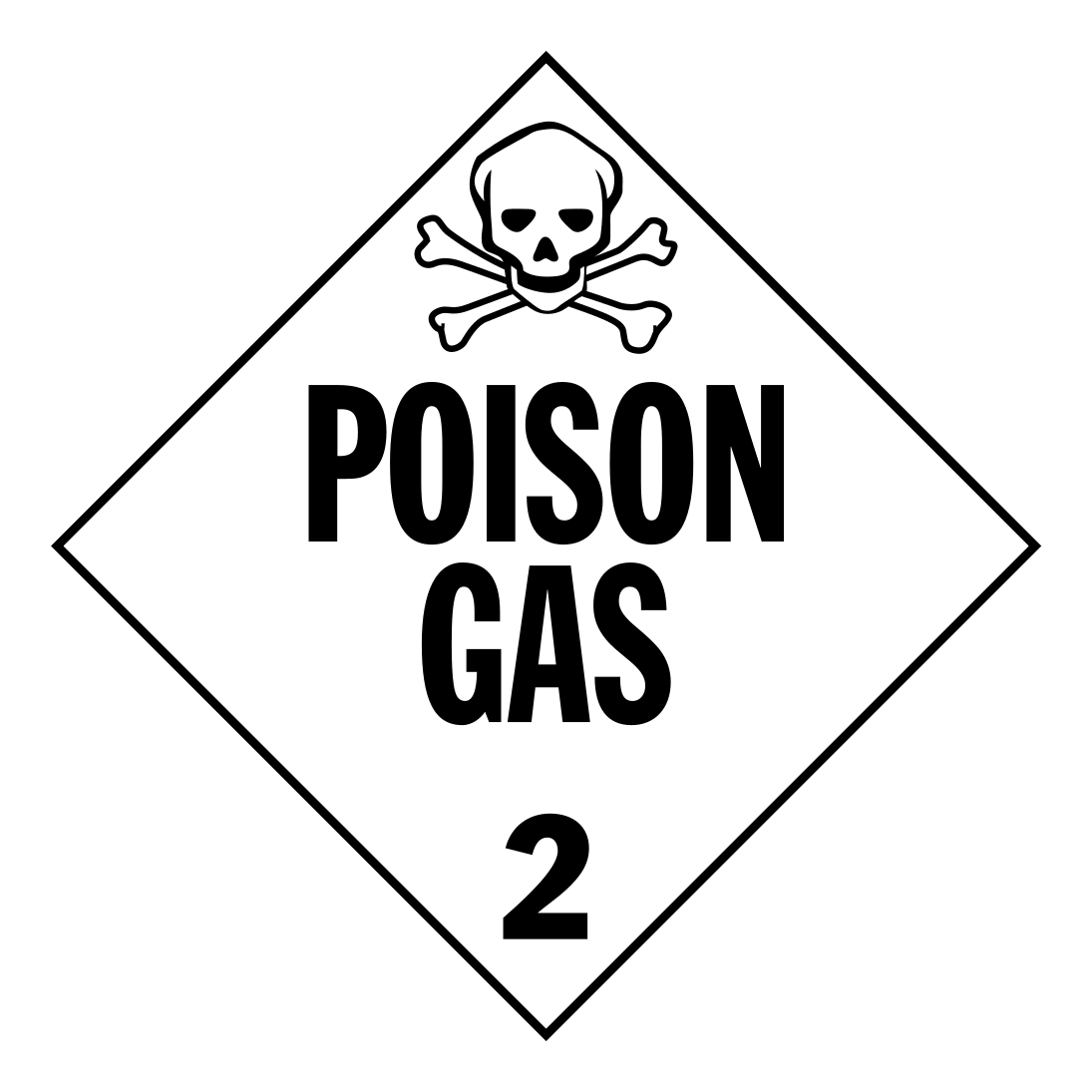
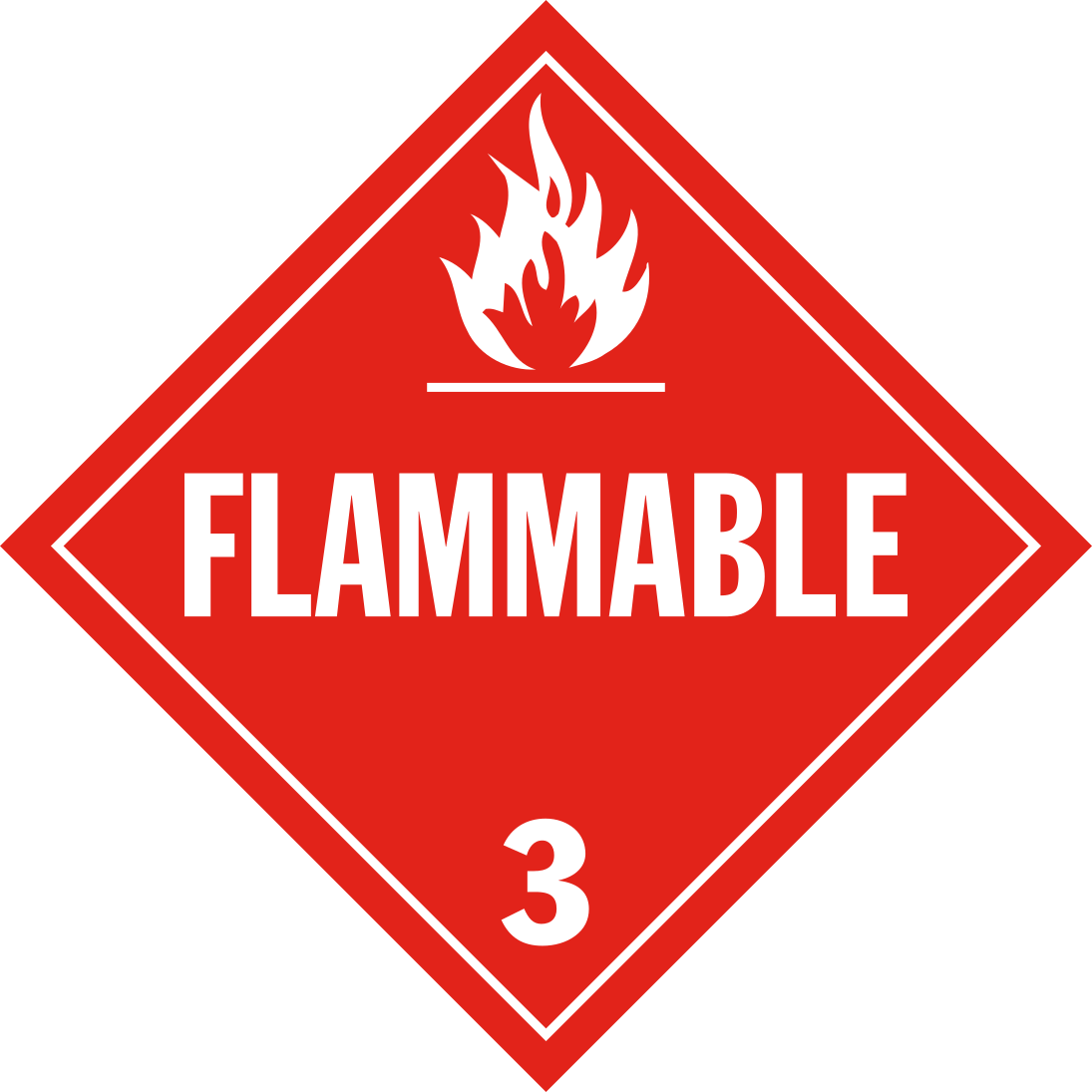
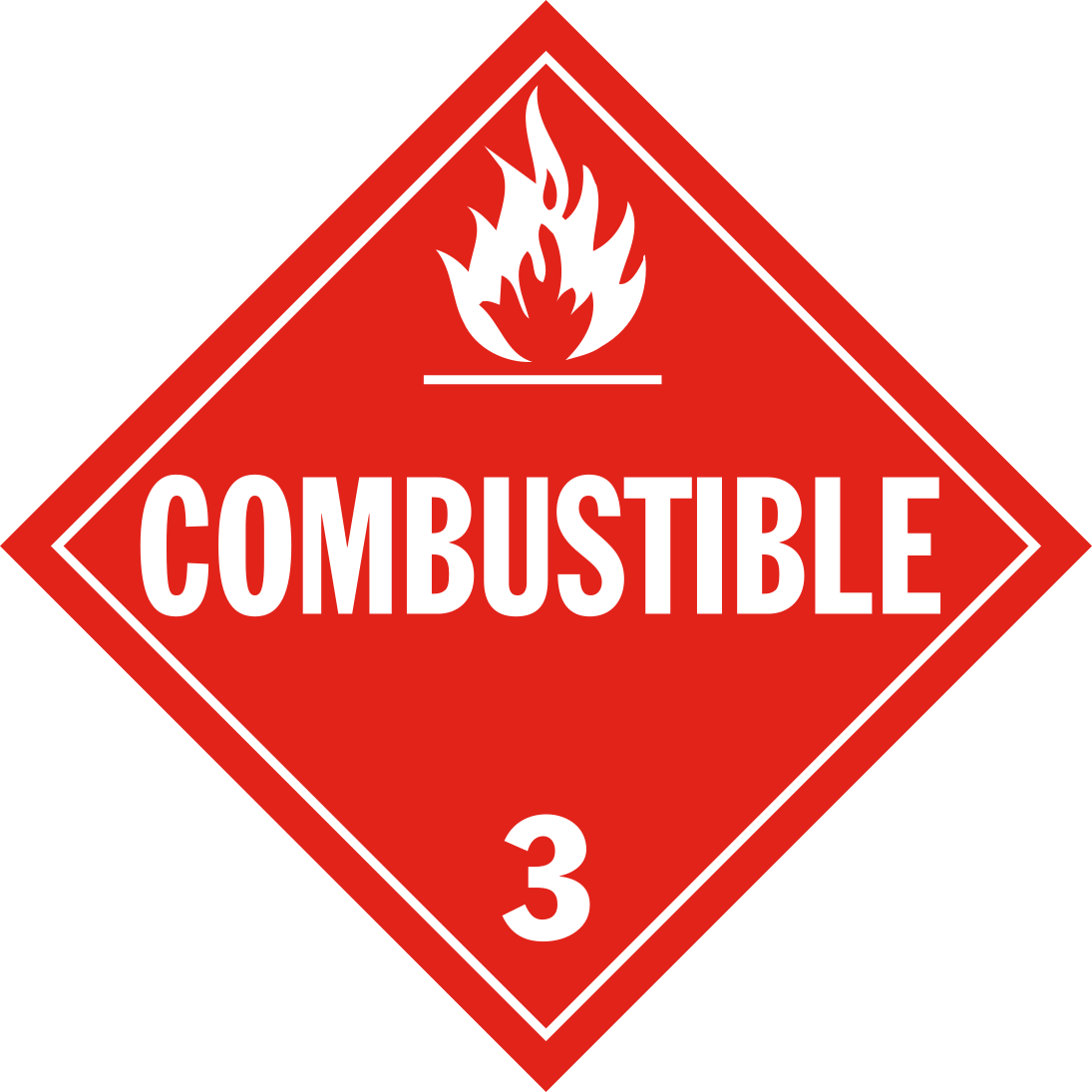
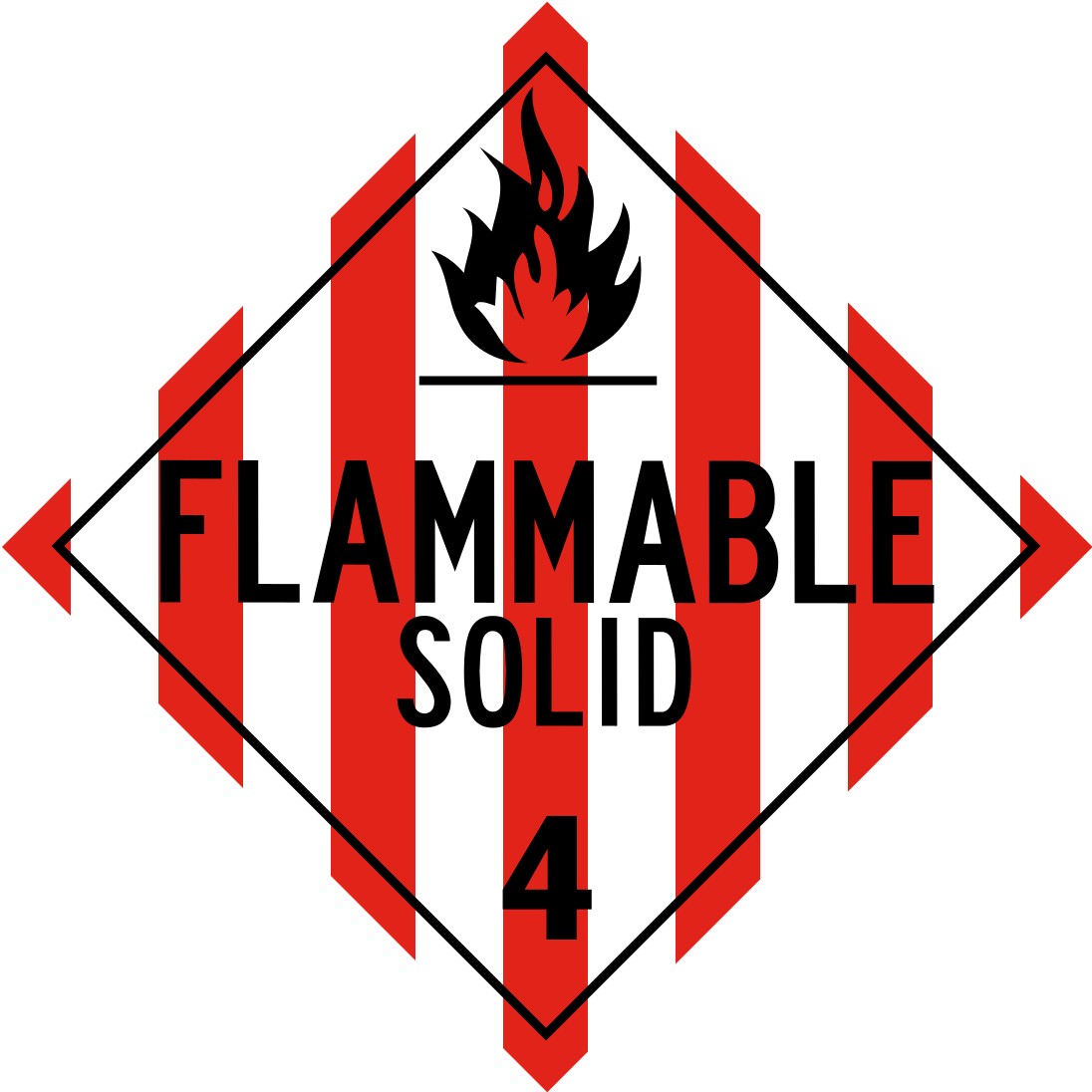
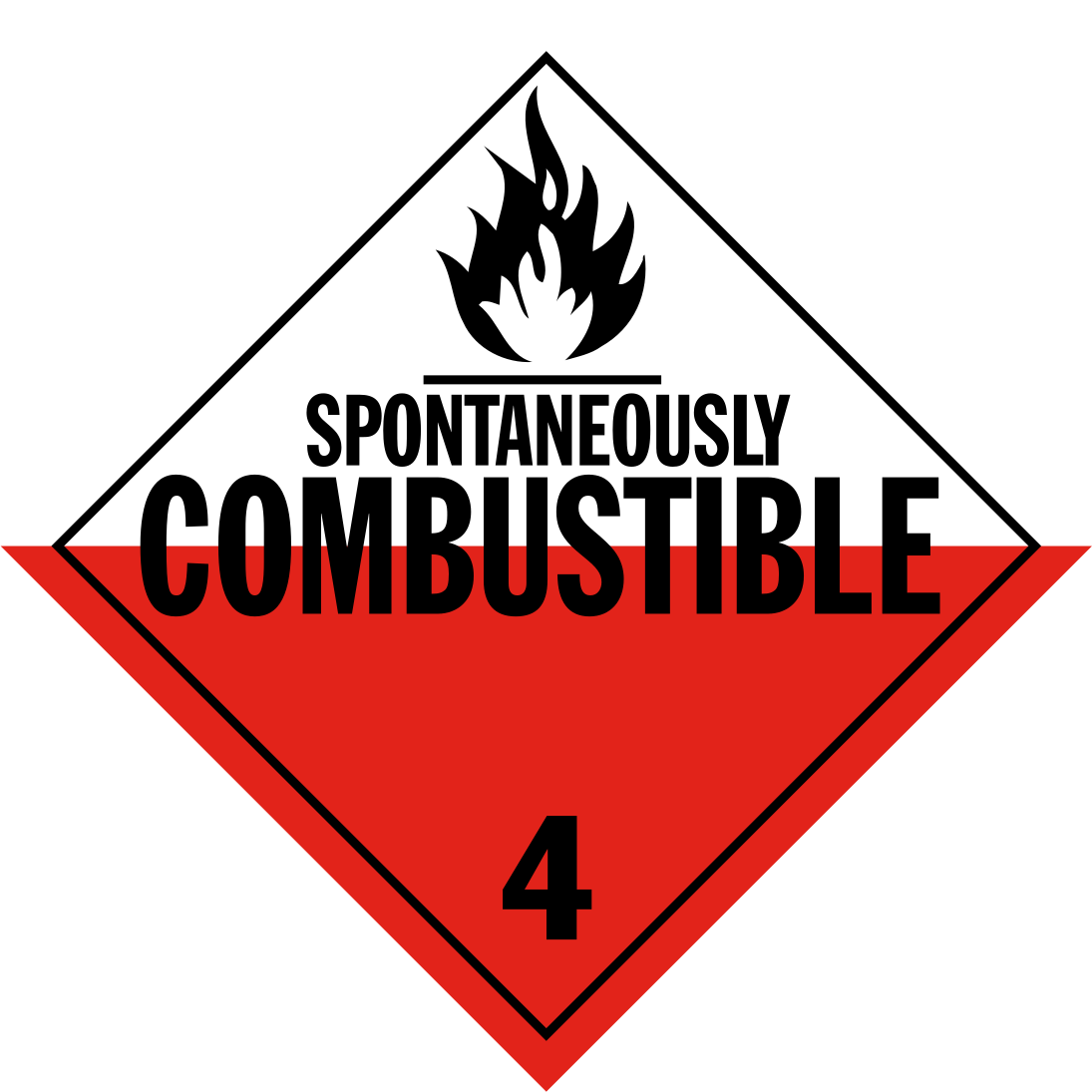
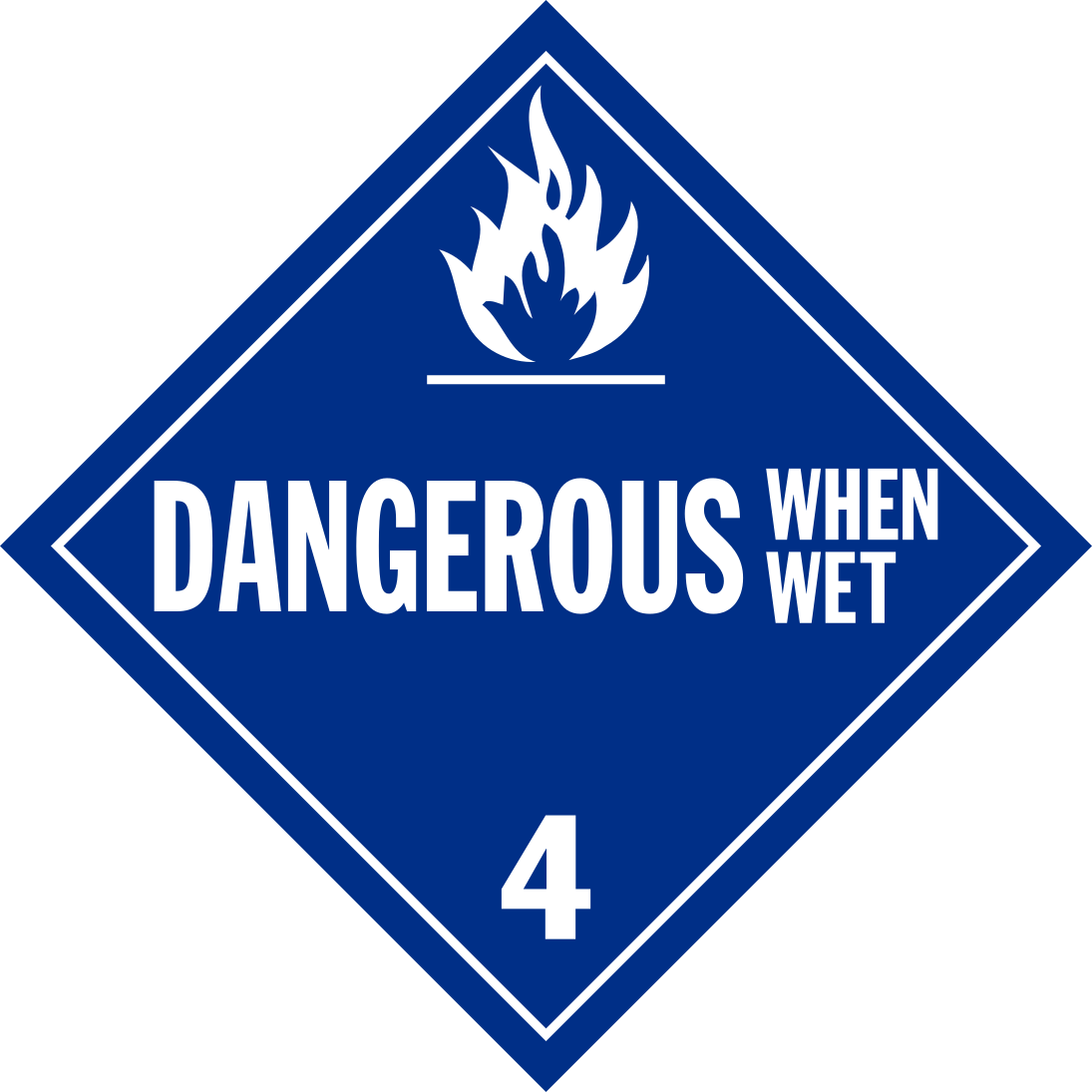
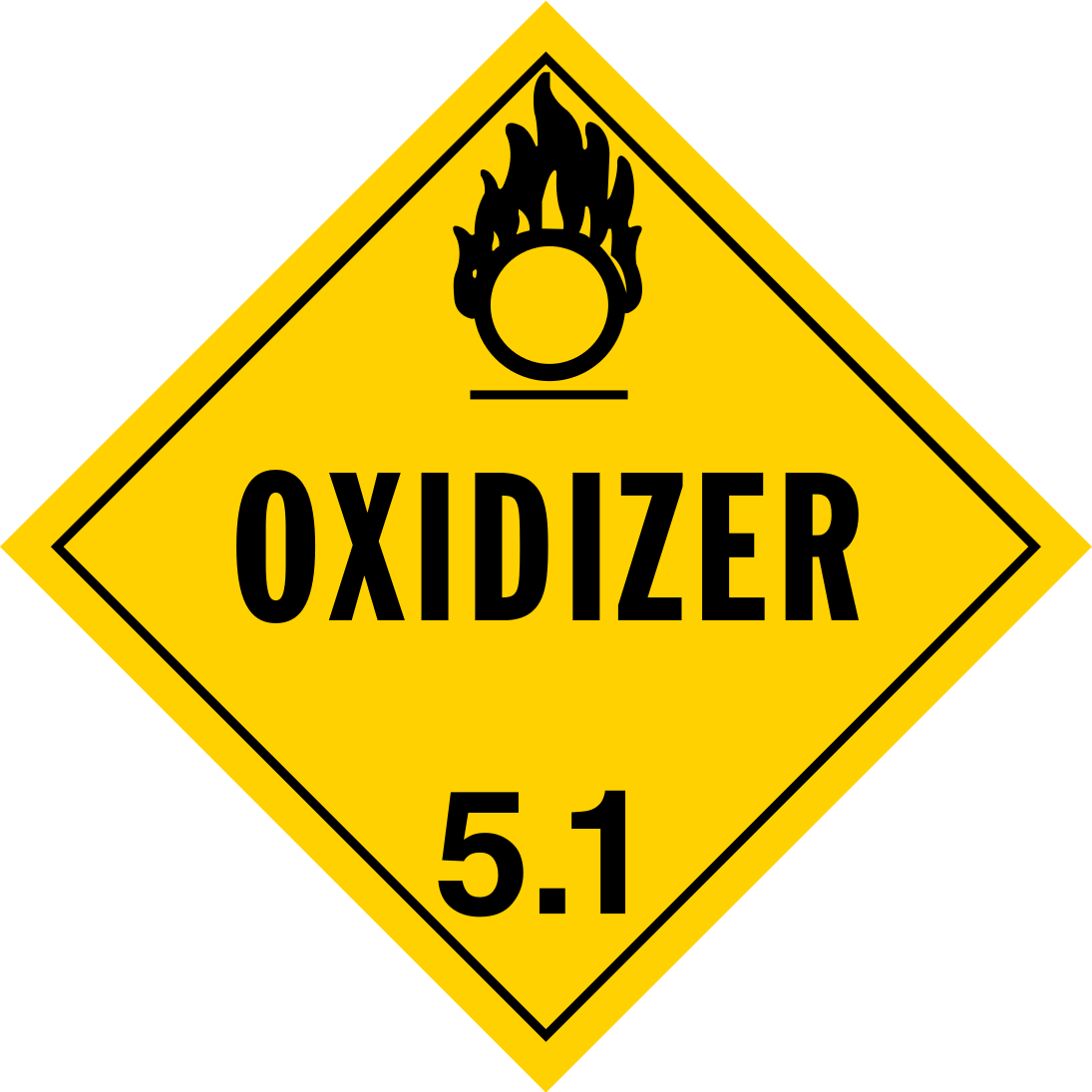
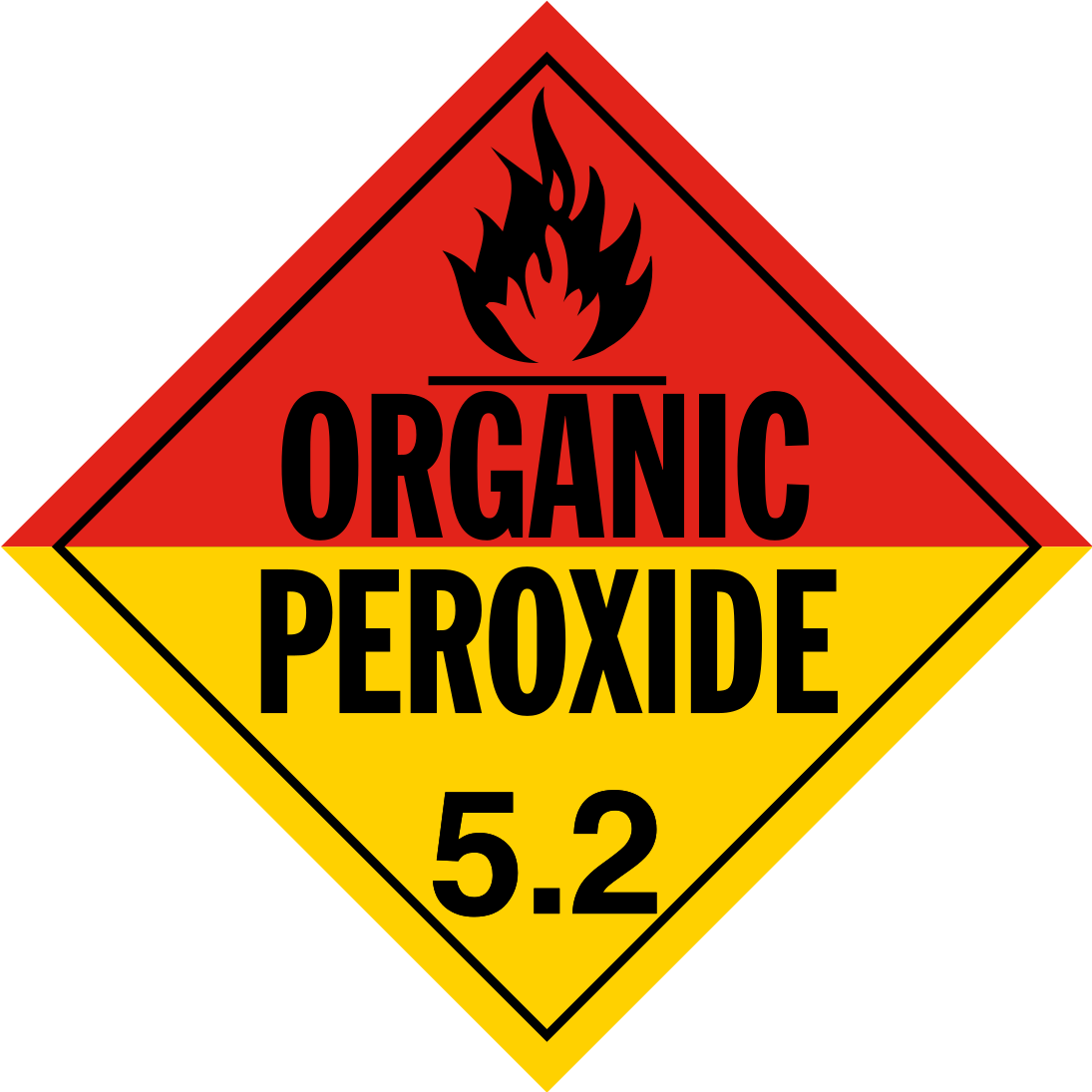
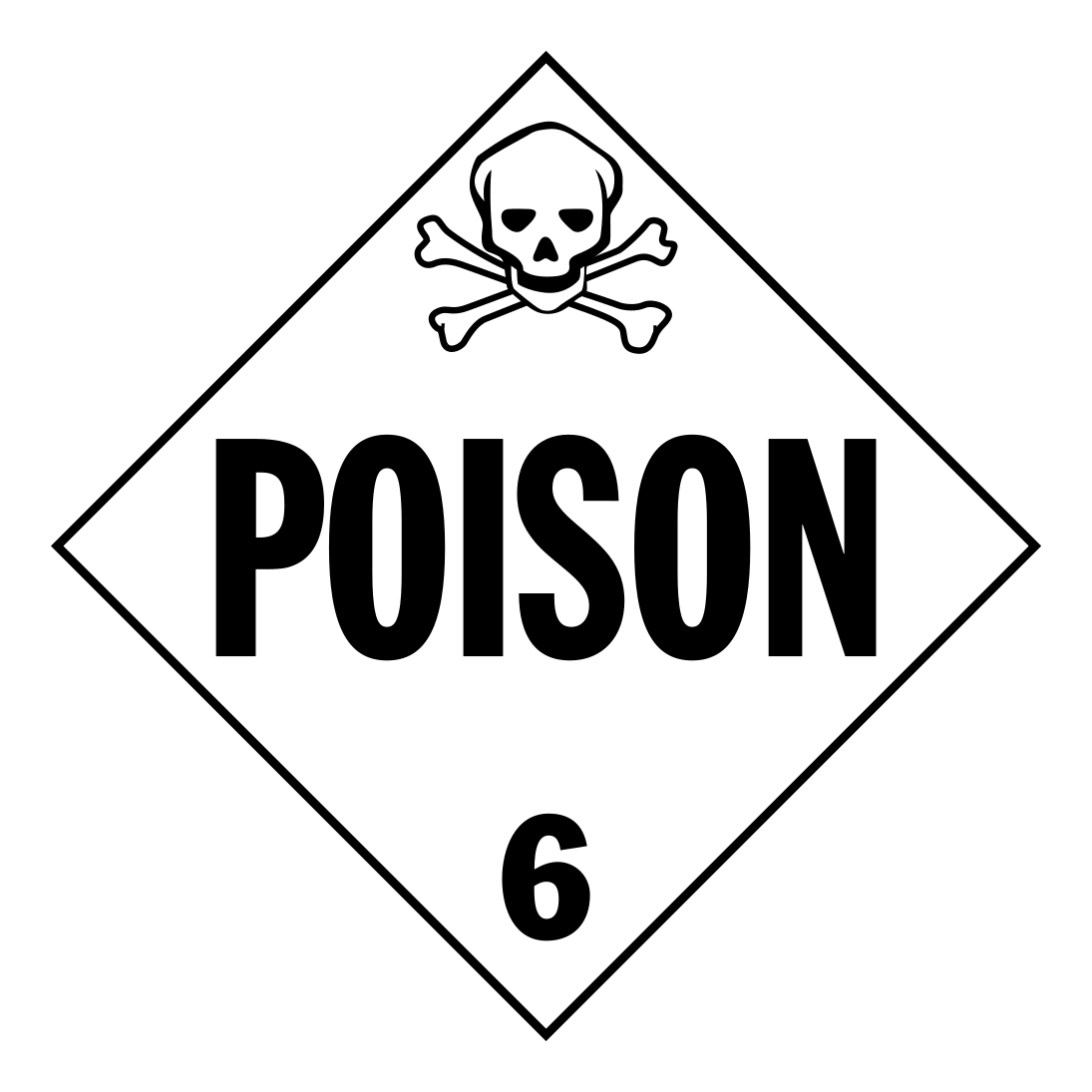
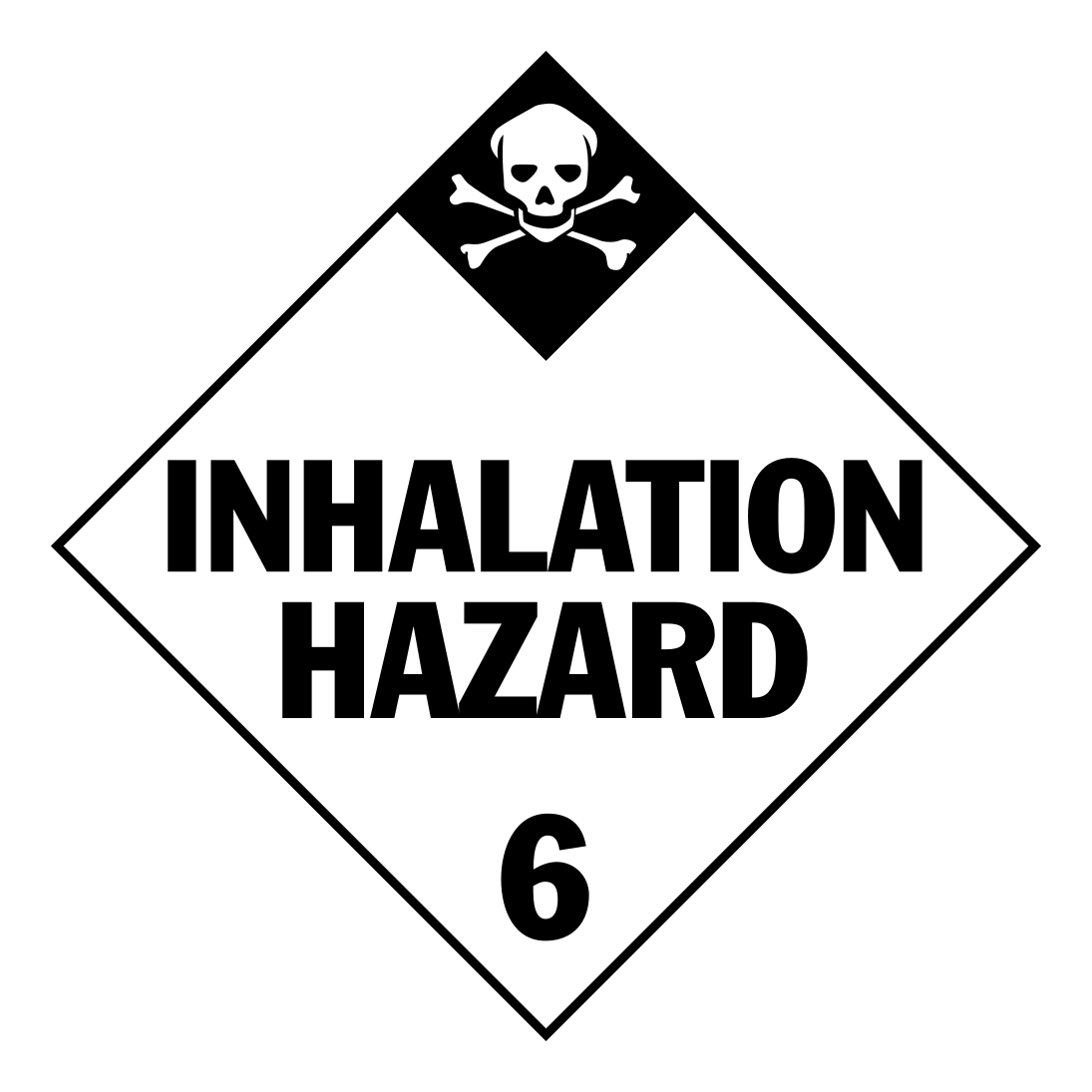
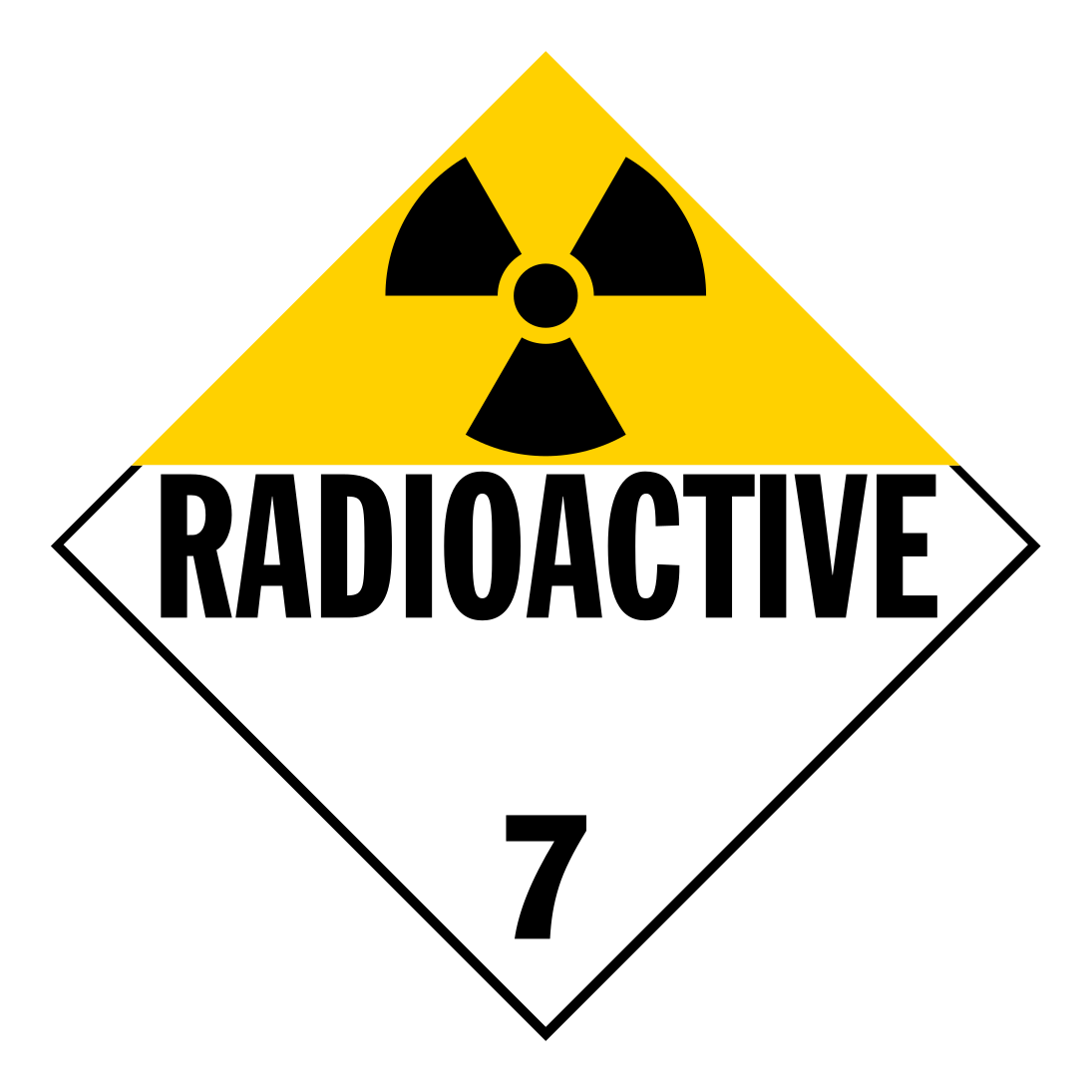
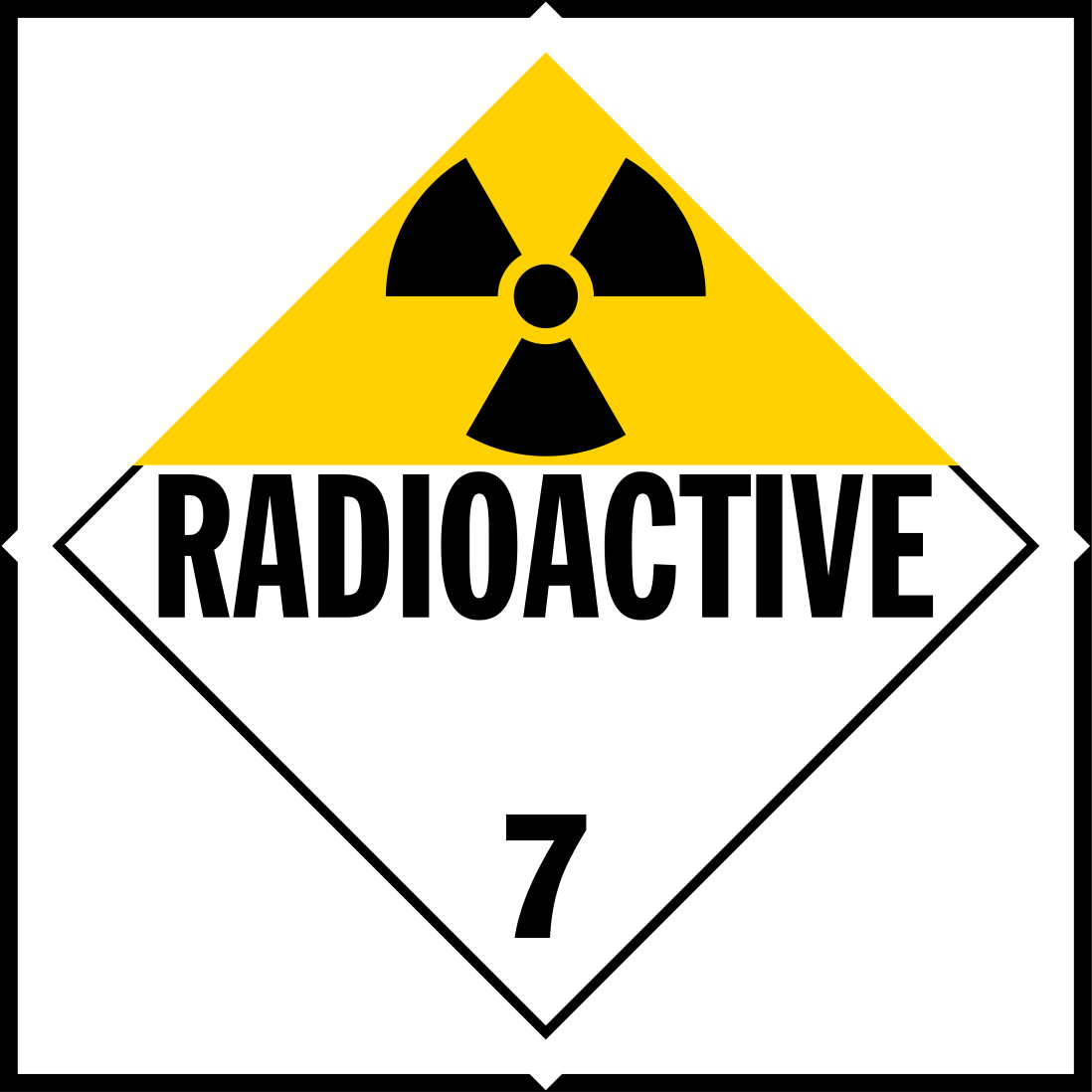
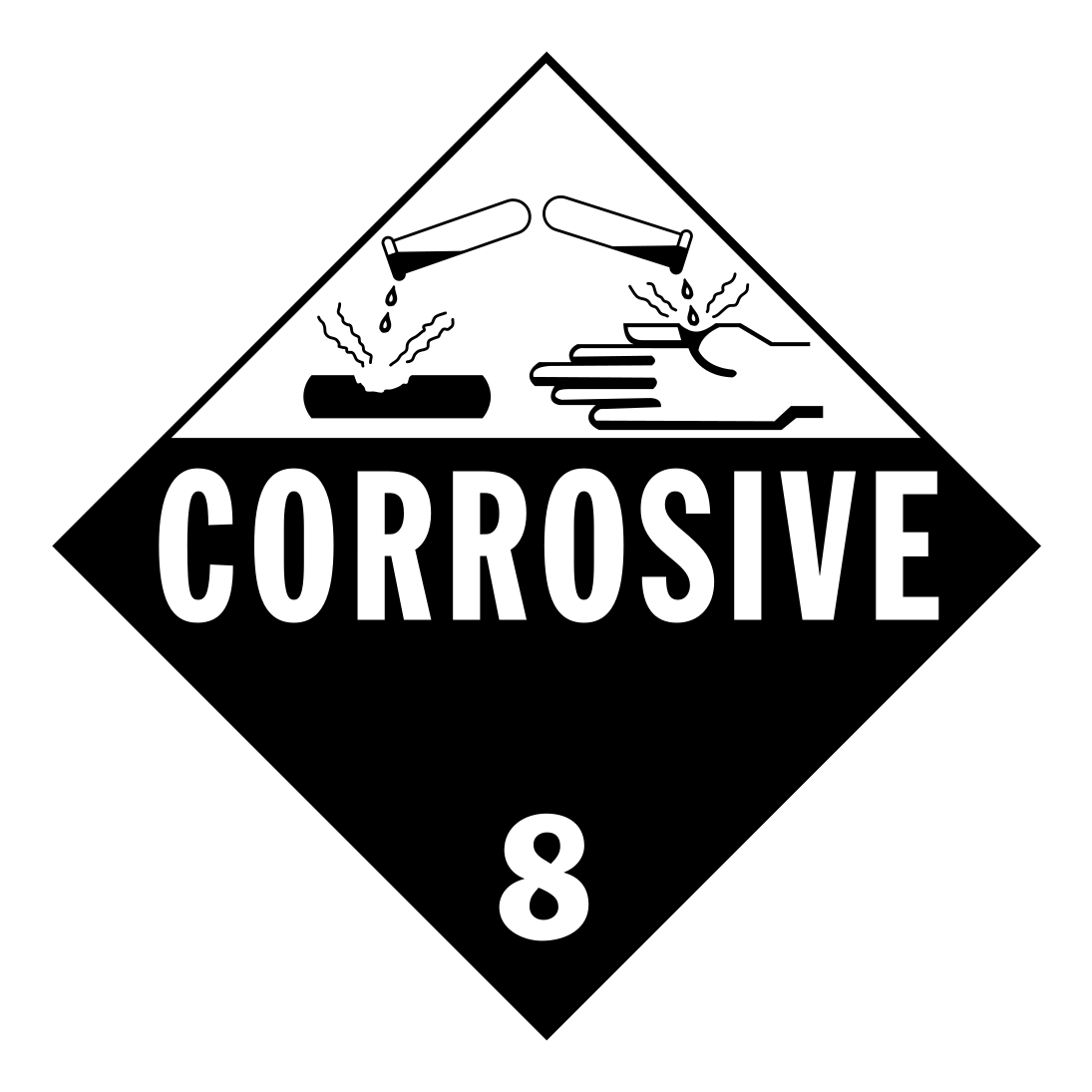
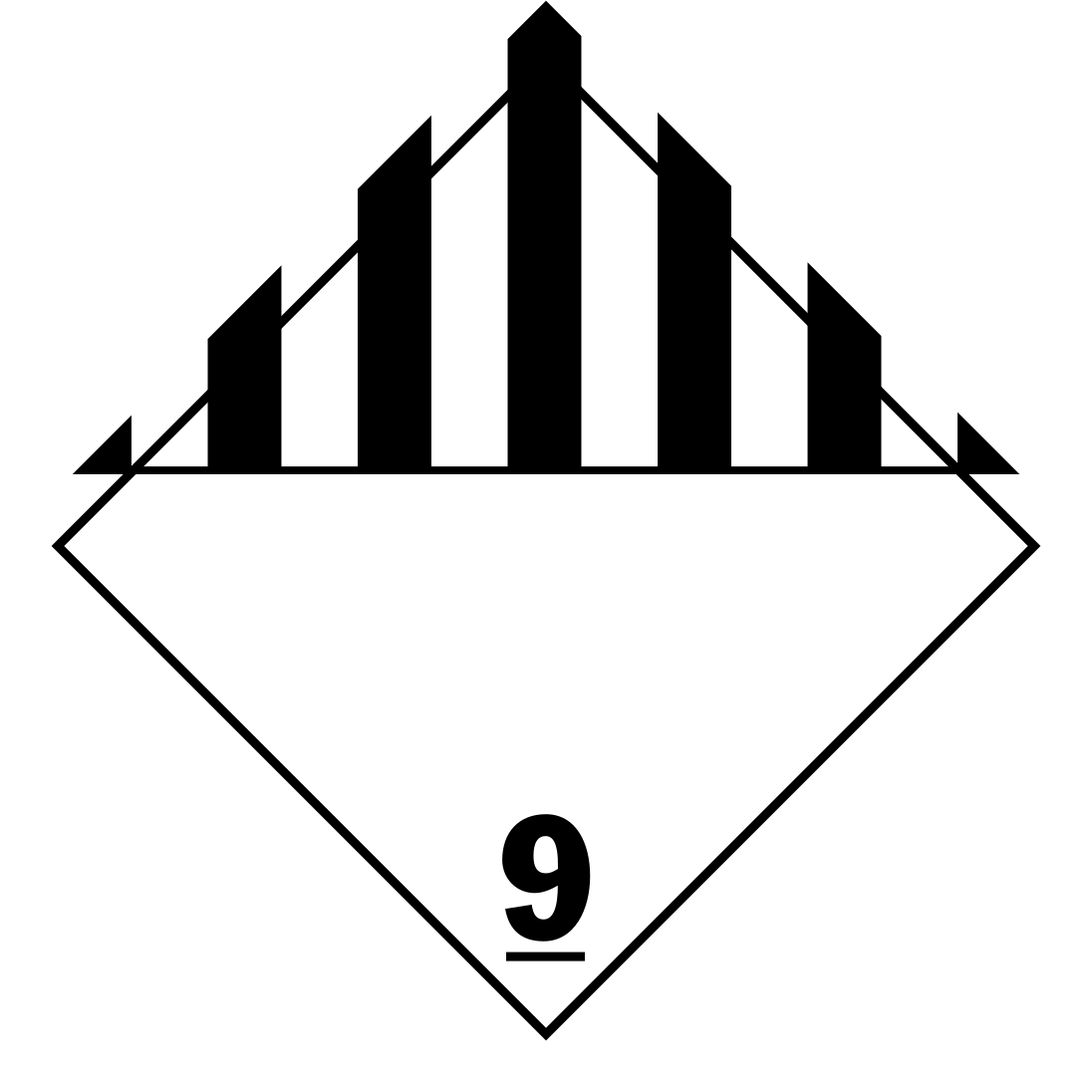
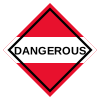
它们贴在车上的什么位置
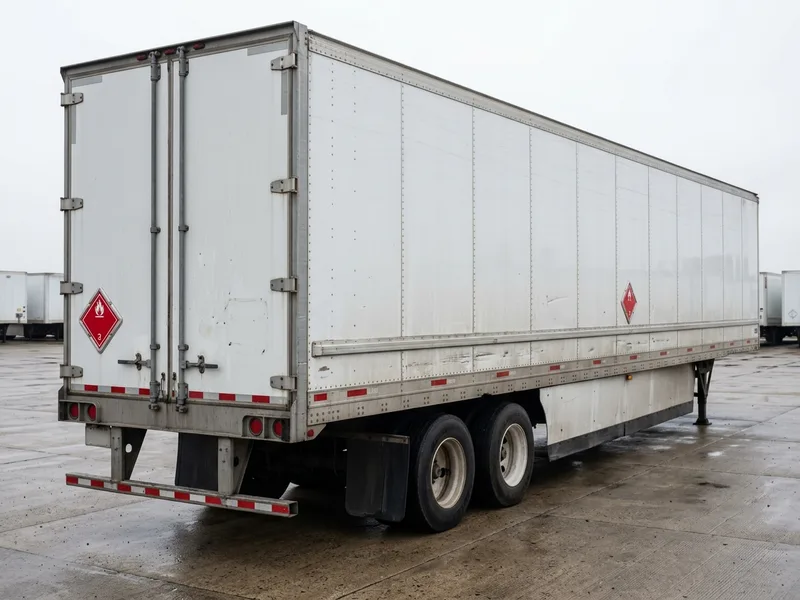
后面一块,侧面一块。每一侧和每一端各贴自己的一块,也就是一台挂车四块,不是一块。
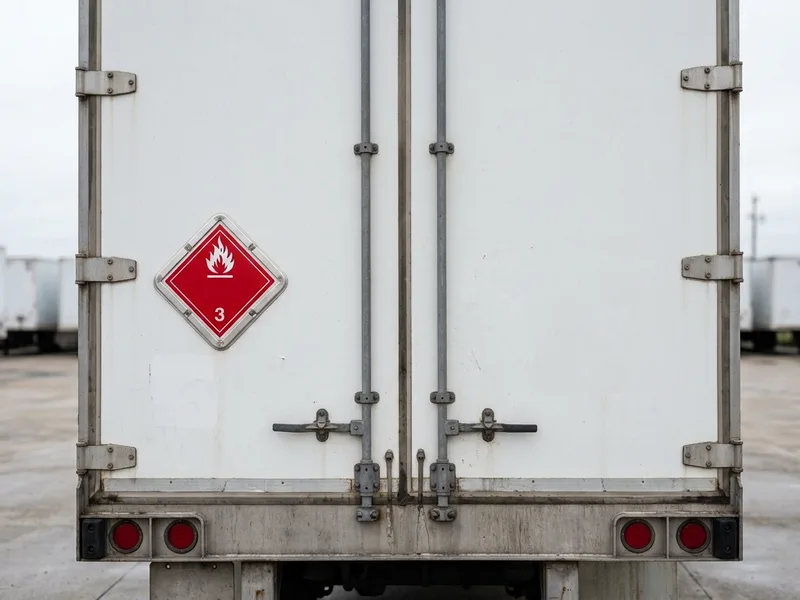
避开锁杆、合页和门封条,四周留出空隙。被附件挡住的标牌,等于没人能看见的标牌。
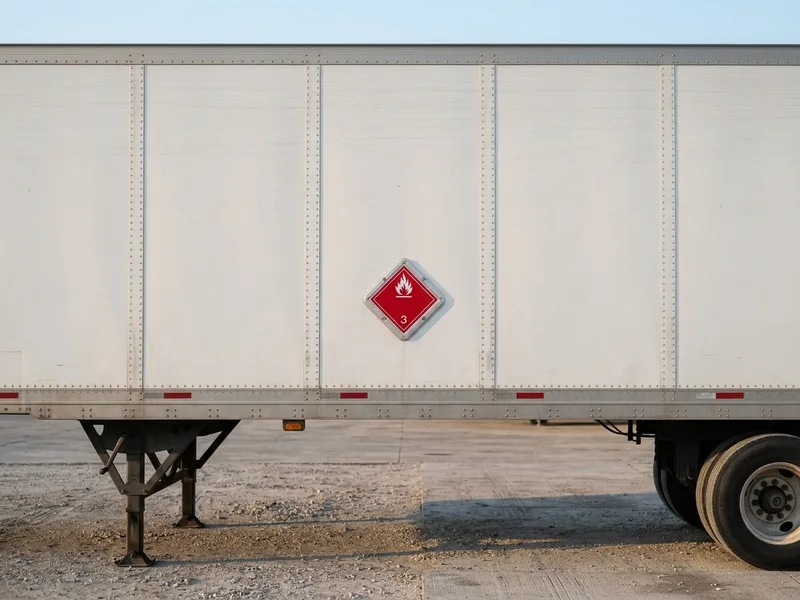
侧面这块,要能从它所朝的方向读到,并且远离任何其他标记。
如果你是从欧洲发货,有一个差别值得知道:那种写着两行数字的橙色牌子(上面是危险识别号,下面是 UN 编号)是 ADR 的做法,美国这边并不这样用。在美国,UN 编号写在标牌本身,或者写在一块纯橙色的牌子上,而且只用于罐式集装箱这类散装包装。装包装货的挂车只挂标牌。
第 6.2 项感染性物质在上面的图表里是特意没有的:按 49 CFR,这类物质是贴标签而不是挂标牌,所以放一块 6.2 的标牌等于在教错的东西。
What it costs
设备
港口
More in this section
常见问题
直接回答
Can you move Class 2 gases, or Class 8, or any particular class?
It is answered per commodity rather than per class, and before you book. Capacity is one half of it and moves week to week, so a class that ran last month may have no truck this one. The commodity is the other half: two loads can share a hazard class and be entirely different jobs to move, which is most obvious once gases in bulk and refrigerated liquefied gases are involved. Ask with the UN number rather than the class and you get an answer you can schedule against.
Who places the placards, you or us?
Normally the shipper, along with the dangerous goods declaration, because the description, the UN number, the packing group and the emergency contact all come from the party who knows what is actually in the box. If you need the driver to carry and place them instead, that has to be arranged before the appointment. A driver who reaches the gate without the right placards cannot fix it in the lane, and the slot is gone.
Can a placarded container use the PortMiami Tunnel?
No. Placarded hazardous materials are prohibited in the tunnel outright, so the box leaves PortMiami over the Port Boulevard bridge, across Biscayne and through downtown instead. It is a routing fact rather than a permit problem: a Florida permit says what you may move on the road, it does not open the tunnel. Plan it in and the move is ordinary.
What do you need from me to book a placarded load?
The UN number, the proper shipping name, the hazard class and packing group, the quantity, and the 24-hour emergency response telephone number that appears on the declaration. Say too whether the container is fumigated and whether the load is a marine pollutant. Send it with the booking rather than at pickup, because the routing, the placards, the appointment and which driver runs it are all decided by those fields.
How many placards does a container need, and where?
Four. Each side and each end, so the load is identified from whichever direction a responder approaches it. A single placard on the door end is the most common thing wrong with a box arriving from a ship. A tank container also has to show the UN identification number, either on the placard or on the orange panel beside it.
What quantity of hazmat triggers a placard?
It depends on the material. Some, including poison-inhalation gases, dangerous-when-wet materials and the higher explosive divisions, are placarded at any quantity at all. Most of the rest start at 454kg, or 1,001lb, aggregate gross weight. The tables in 49 CFR 172.504 are what actually decide it, and the shipper makes that call. A bulk packaging, which is what a tank container is, also has to show the UN identification number, either on the placard itself or on the orange panel beside it, so a responder knows what is inside rather than only what family it belongs to.
怎么拿到运价?
把线路、设备、集装箱尺寸和港口发过来,我们回一个数字。报价和调度24小时都有人,邮箱 quotes@dariaslogistics.com。