Service
Port to warehouse, and out the door
One partner from the terminal to your customer: the container pulled off PortMiami, unloaded, palletized, stored by the pallet, and shipped out as your orders come in.
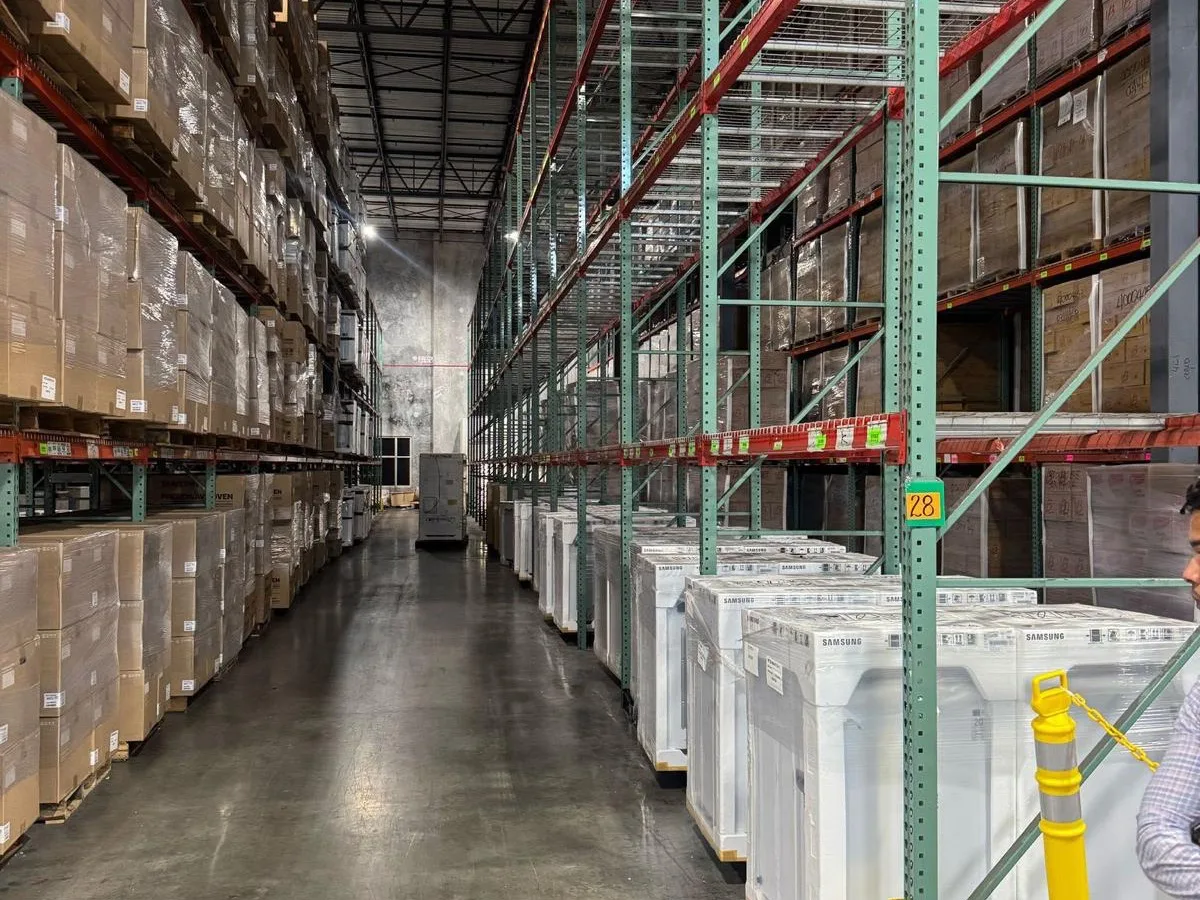
One partner from the port to your customer
This is the service for an importer whose product lands at PortMiami or Port Everglades and who has no building in Florida to receive it. The container is pulled off the terminal, brought to the warehouse in Hialeah Gardens, unloaded, put on pallets if it did not arrive on them, checked in under your name, stored by the pallet, and shipped back out as your orders come in. One phone number, one written quote, one place where your inventory lives.
It exists because the alternative is four vendors who have never met: a trucker, an unloading crew, a storage lease and a shipping desk, each with its own invoice and its own idea of whose fault a delay is. Here the truck that brings the box and the dock that empties it belong to the same operation, which is what makes the empty container go back the same day and the freight available the next morning.
What a written quote covers, line by line
Drayage from the port to the warehouse. A quote for this line is all in: the pull off the terminal, the chassis, the fuel and the return of the empty. What changes it is the port, the terminal appointment and the weight of the box, so the quote names the port and the container size it was written for.
Unloading the container. A box that arrives palletized is a forklift job and is quoted as one. A box that arrives floor loaded, cartons stacked to the roof with no pallets, is a crew working by hand for most of a day, and it is quoted by the number of cases, because a 40 with two thousand cartons is not the same afternoon as a 40 with eight hundred. Say which one is coming and the quote says which one it is for.
Palletizing. When the freight arrives loose it goes onto standard 48 by 40 inch pallets, built to a height a rack and a truck both accept, wrapped and labelled. The pallet and the wrap are supplied and appear as their own line, so you can see what building the pallet cost apart from the labor of unloading.
Receiving and handling. Every inbound is counted and checked against your paperwork and a record is made at the door, with photographs where anything looks wrong. Orders going out are handled per order: a full pallet leaving whole is one kind of work, a mixed order picked from several pallets is another, and the quote separates them.
Storage. Billed per pallet per month, not per square foot per year, on the standard pallet size and height the quote names. Twelve pallets for six weeks is a normal booking, not a lease negotiation.
In and out. A handling charge per pallet leaving, and one per pallet arriving only when a partial pallet has to be received and rebuilt. Full pallets straight off your container carry no separate entry charge, because the unloading line already covered the work.
Chassis days. The container sits on its chassis for the days the quote includes. After that a daily charge applies until it is emptied, which is the reason to have a decision about the freight before the box arrives rather than after. There are no appointment or administration fees: those two lines are marked not applicable on every quote.
Palletized or floor loaded: the question that decides the unloading
Nobody can tell from a packing list. A list that shows cartons and no pallet count usually means the container was floor loaded at origin, which is common on food, beverages and anything shipped by the case from Europe and Latin America. It is the single fact that most changes the unloading line, so it is worth confirming with your supplier before the box sails rather than discovering it at the dock.
If your supplier can palletize at origin, the container holds fewer cases but unloads in an hour or two and the freight is on the rack the same afternoon. If they cannot, the box holds more and the unloading is a day of crew time plus pallets built here. Both are normal. The quote is honest about which one it prices.
Your first container, day by day
Before arrival: you send the container number, the steamship line, the last free day and the packing list, and say whether the box is palletized or floor loaded and what the product is. The pull is booked against the terminal's appointment system and the free days, not after them.
Arrival day: the container comes off the terminal and reaches the dock in Hialeah Gardens, roughly 20 road miles from PortMiami, the same day. If it is palletized it is emptied that afternoon. If it is floor loaded the crew starts the same day and the empty goes back as soon as the box is clear.
The day after: your freight is counted, on pallets, wrapped, labelled with your name and in a rack position. You receive the check-in record and the photographs. From that morning, an order you send by email is picked, staged and shipped, by LTL, by full truckload or by parcel carrier, and the record of each outbound comes back to you the same day it leaves.
Food, and what can be said about it
The warehouse is an FDA-registered food facility and a TSA-certified facility, and dry, shelf-stable food in retail packaging is received and stored here every week: jarred, canned and bottled goods, packaged dry goods, beverages. Freight that needs a temperature is handled too: send the set point and the cold chain is arranged from the gate to the door.
Customs clearance for imported food is handled for you, with the FDA prior notice that food entries require, and it is arranged together with the truck, so nothing is left for you to go and set up. If you already have a customs broker, we work alongside them. After the release, everything happens here: the pull, the unloading, the storage and the shipping.
What moves the number
Palletized against floor loaded, and the case count if floor loaded. The pallet count and how many months they stay. How many orders leave each month and whether they are full pallets or mixed picks. Whether the container is a 20 or a 40, and which port it lands at. Whether the freight needs pallets built here or arrives on its own.
None of those are trick questions, and a rough answer to each is enough for a real quote. The reason to send them is that a quote written for a palletized 40 with forty pallets staying a month is a different document from one for a floor-loaded 40 with two thousand cases staying a season, and both are written the same day they are asked for.
Growing with you
Most importers who start with one container are testing a market, and the arrangement is built for that: no minimum term, no lease, storage that expands by the pallet as the second and third containers land. When the volume settles, the same dock runs the outbound as retail replenishment, distributor orders or a full truckload to a customer up the state.
Fulfillment runs from the same dock: orders picked and packed by the unit or by the case, kitting and relabelling, returns checked back in, and retail replenishment built to a routing guide. The floor runs on Manhattan Active Warehouse Management, so every pallet has a position and every pick a record. Orders reach the warehouse by email or by a daily file, and every outbound comes back to you as a record the day it leaves. There is no customer portal to log into, and that is worth knowing before the first order rather than after it; if your business needs a system-to-system feed, say so at the start and you get a straight answer about what can be met.
What to send for a quote
The product and how it is packed. Container size and the port it lands at. Palletized or floor loaded, and the case count if loose. How many pallets you expect to store and for how long. How many orders you expect to ship each month and what an order typically looks like. Whether you already have a customs broker.
Send it in English or Spanish. A written quote comes back with the seven lines above and nothing left to be discovered on an invoice.
The warehouse your container comes to
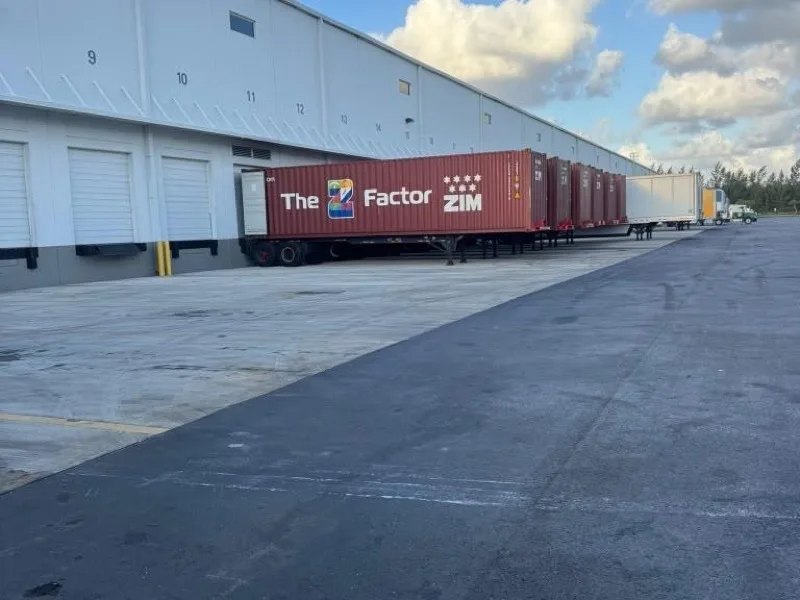
Over 50 dock doors, first come first served, 8 to 5 Monday to Friday.
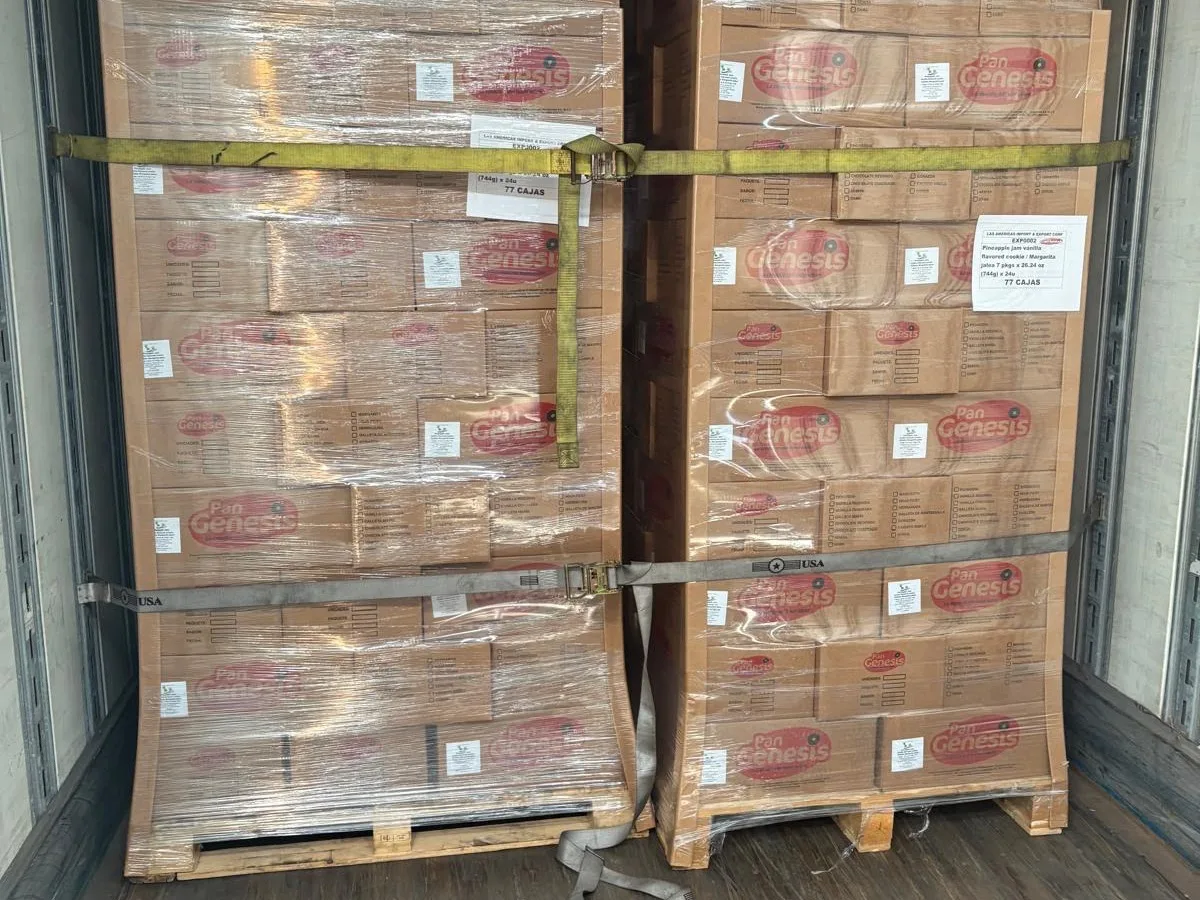
The container is emptied the day it arrives, palletized in an hour or two, floor loaded by a crew.
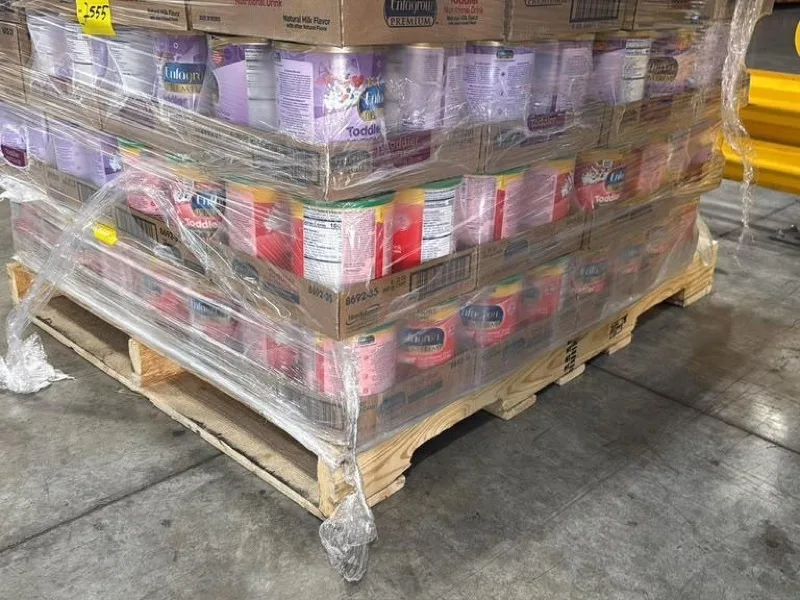
Loose cartons become standard 48 by 40 pallets, wrapped and labelled under your name.
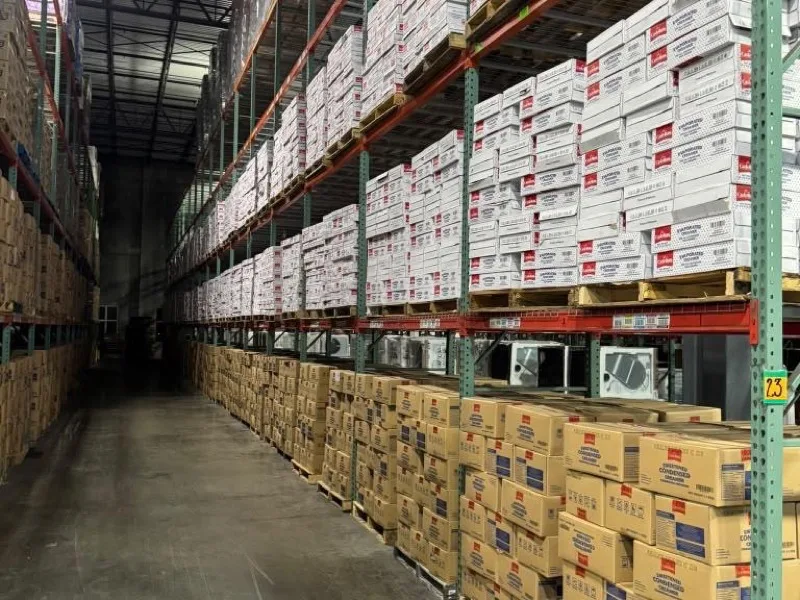
Racked storage, billed by the pallet and by the month.
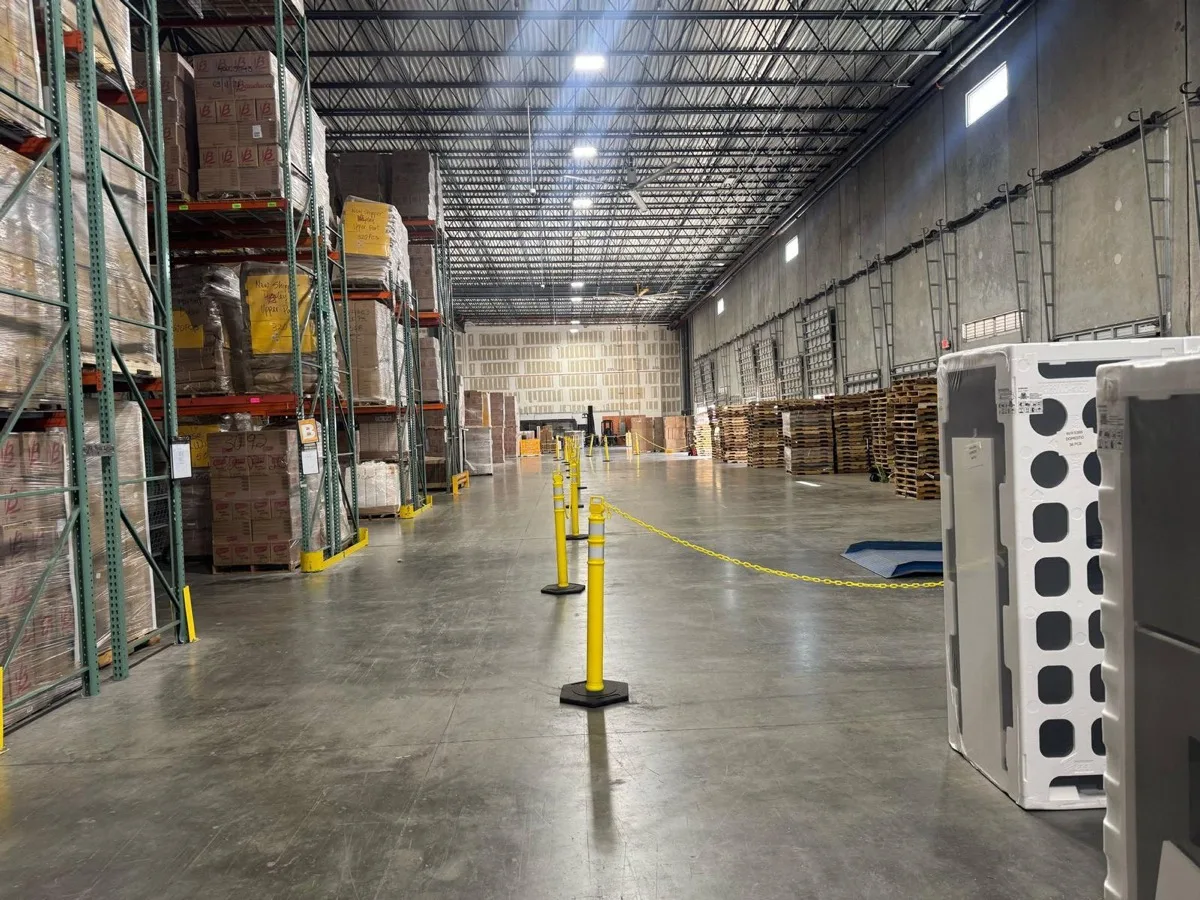
120,000 sq ft at 32 ft clear, with the staging lanes a transload needs.
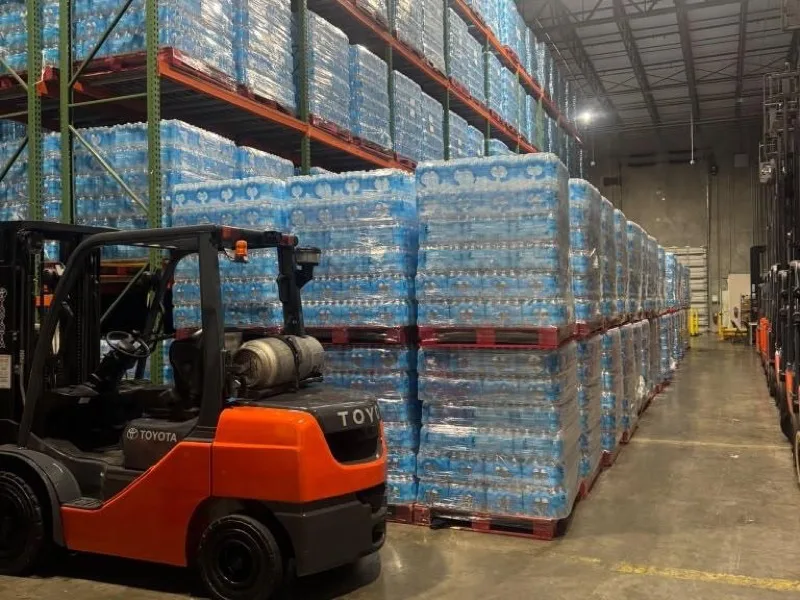
From the dock to the rack by forklift, the same day the container comes in.
Équipements
Ports
Questions
Réponses directes
Can one company handle drayage, unloading, storage and shipping for my container?
Yes, and that is the point of this page. The container is pulled off PortMiami or Port Everglades, unloaded and palletized at the warehouse in Hialeah Gardens, stored by the pallet and shipped out as your orders arrive, all under one written quote and one contact. The truck and the dock belong to the same operation, which is why the empty container goes back the same day and the freight is available the next morning.
Is the warehouse FDA registered for storing imported food?
Yes. It is an FDA-registered food facility, and TSA certified as well, and dry, shelf-stable food in retail packaging is received and stored here at ambient temperature. Customs clearance and the FDA prior notice for an imported food shipment are handled as part of the same job, and everything after release happens here, from the pull to the storage to the shipping.
Why does unloading a floor-loaded container cost more than a palletized one?
Because it is a different job. A palletized container is emptied by forklift in an hour or two. A floor-loaded container is cartons stacked to the roof with no pallets, so a crew works by hand for most of a day and builds the pallets as it goes, and the number of cases decides how long that takes. The quote names which one it was written for, and the packing list usually tells you: cartons with no pallet count means floor loaded.
How is storage billed, and on what pallet size?
Per pallet per month, on a standard 48 by 40 inch pallet built to the height the quote names, rather than per square foot per year. A handling charge applies per pallet leaving, and per pallet arriving only when a partial pallet has to be received and rebuilt. Full pallets straight off your container carry no separate entry charge, because the unloading line already covered that work.
Can you ship my orders out after the container is unloaded?
Yes. Once the freight is counted, on pallets and in a rack position under your name, an order sent by email is picked, staged and shipped by LTL, full truckload or parcel carrier, and the outbound record comes back to you the same day it leaves. Full pallets leaving whole and mixed orders picked from several pallets are handled and quoted as two different kinds of work.
What happens if the container cannot be unloaded right away?
It sits on its chassis for the days the quote includes, and after that a daily charge runs until it is emptied. That is the reason to decide what happens to the freight before the box arrives rather than after: with the packing list and the palletized-or-floor-loaded answer in hand before the vessel docks, the container is emptied the day it comes in and the chassis line never appears on the invoice.
Comment obtenir un tarif ?
Envoyez la route, l'équipement, la taille du conteneur et le port, et nous revenons avec un chiffre. Tarifs et répartition 24h/24 à quotes@dariaslogistics.com.
Que comprend vraiment un devis de drayage ?
Le déplacement lui-même, plus les accessoires qui surprennent après coup : châssis, pre-pull, per diem, demurrage, detention et stockage. Nous préférons les nommer d'entrée plutôt que les ajouter à une facture.