خدمة
Customs exam drayage
CBP flagged your container. Somebody now has to truck it to the exam station and back, the clocks are all still running, and you are paying for every day of it. The trucking is us; here is the rest of it, plainly.
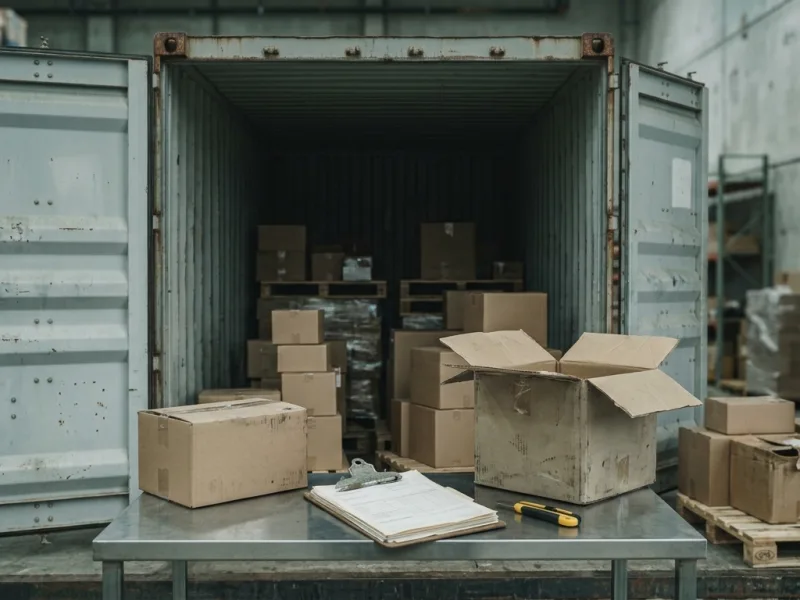
The three exams, from cheapest to worst
An X-ray exam, often called VACIS or NII, drives the container through an imaging machine at or near the terminal. The seal usually stays on and it typically clears in a day or two. A tailgate exam means an officer breaks the seal at the terminal, opens the doors and looks; a few days, a few hundred dollars in fees, a new seal after.
An intensive exam is the one that hurts. The container is trucked under bond to a Centralized Examination Station, fully stripped, inspected piece by piece, reloaded and resealed. A week to two is normal, longer when the station is backed up, and the bill stacks devan and reload labor, station storage, both drayage legs, and whatever demurrage and per diem accrued underneath. All-in costs in the low thousands are ordinary.
Under 19 USC 1467 CBP can examine anything, and the importer pays the exam costs even when the cargo comes back spotless. Nobody refunds a clean exam. Budgeting for the occasional one is part of importing.
Where the box actually goes in South Florida
A Centralized Examination Station is a privately operated facility, designated by CBP under 19 CFR Part 118, where cargo is made available for inspection. At PortMiami the station sits inside the port itself, which keeps the exam dray short. At Port Everglades the exam warehouse sits in the Foreign-Trade Zone just off the terminals.
The move to the station is a bonded move: the freight has not cleared, so it travels under a custodial bond, sealed, by a carrier authorized to haul it. That is the same authority our in-bond work runs under, and it is why the exam dray is not a job for whoever happens to have a truck free.
The clocks do not stop because the government is looking
Demurrage at the terminal and per diem on the container keep accruing during a hold once free time lapses. Some terminals and lines will extend free time for a documented government exam; none of them owe it to you, and the older federal guidance on the subject only asks whether the charge is reasonable, not whether it is kind.
What actually shortens an exam is boring: complete, consistent paperwork from your broker before the exam starts, and a truck at the gate the moment the station releases the box rather than the day after. The first is your broker's job. The second is ours, and it is worth real money.
What is worth knowing before you pay the bill is that the invoice itself now has rules, and they are the next section.
The demurrage invoice has rules now, and most people do not use them
Since May 28, 2024 a federal rule at 46 CFR part 541 governs how demurrage and detention may be billed. It is the strongest lever an importer has and almost nobody in this business writes it down. An invoice must be issued within 30 calendar days of the day the charge was last incurred. Miss that and the billed party is not obligated to pay it. That alone kills a surprising number of charges that surface months later on a reconciliation.
The invoice also has to carry a defined set of information: bill of lading and container numbers, the port of discharge, the basis on which you are said to be liable, the invoice date and due date, the allowed free time in days with its start and end dates, the container availability date, the exact dates the charges applied, the total due, the specific rate and the tariff rule or service contract section it comes from, contact details for a mitigation request, a digital route to the dispute procedure, and a certification that the charges comply with the rule and that the billing party's own performance did not cause them. Leave a required element out and the obligation to pay that charge goes with it.
You then have at least 30 calendar days to request mitigation, refund or waiver, and the billing party has 30 days to try to resolve it. One caveat we would rather state than let you discover: the section of the rule that said who could be billed, 46 CFR 541.4, was set aside by the D.C. Circuit on September 23, 2025 as arbitrary and capricious. The rest of the rule stands untouched. So the question of who may be invoiced is open again, while every requirement above still applies to the invoice itself.
None of this is legal advice and none of it is our invoice to dispute. It is simply the checklist to run down the page before anyone approves a demurrage bill, and it is why we keep the exam dates, the release timestamp and the gate appointment on file rather than in someone's memory.
Holds that are not exams, and who can actually clear each one
Not every hold ends in an inspection. A manifest hold means the ship's manifest or the ISF data does not line up, and it clears when the data is corrected. A commercial enforcement hold means CBP suspects a violation, counterfeit goods, dumping, forced labor, marking, and it clears when the reviewing team is satisfied. A CET hold is the contraband team, it almost always means an intensive exam, and nobody expedites it.
Agency holds belong to the agency, not to CBP. Food, drugs and cosmetics wait on FDA. Plants, animal products and wood packaging wait on USDA. Wildlife waits on Fish and Wildlife. CBP cannot release the box until the agency with jurisdiction signs off, which means the fix is your broker working that agency, not anyone shouting at the terminal.
Our role in all of it is the same: know the status, have the appointment and the chassis ready, and move the second movement is possible. Days lost after release are the only part of a hold you can actually control.
What goes wrong most often, and what to do about each
Finding out late. A hold posts to your broker's system, not to your phone, and an exam that started on Tuesday is often discovered on Friday. Three days of demurrage and per diem bought nothing. Ask your broker for status alerts on the entry rather than a daily report, tell us the moment a hold posts, and we will have the exam dray and the return appointment lined up against the release instead of after it.
The vague invoice. An exam bill arrives as one number covering devanning, station storage, both drays and a new seal, and there is nothing to check it against. Ask for the line detail before you approve it, and separate the exam charges, which are the importer's under 19 USC 1467, from the demurrage and per diem underneath, which are governed by the invoice rules two sections up and are frequently the larger half.
The harder problem is the exam that stops being about the exam. A container clears inspection but the entry is still held by FDA, USDA or Fish and Wildlife, and nobody realises the release is partial. The box is now sitting at the station accruing storage while everyone waits on CBP, who cannot release it. Confirm which agency holds it and work that agency, because a CBP-only status screen will not tell you.
The hardest is the empty return. After an intensive the box comes back stripped, reloaded and resealed, per diem is still running, and the terminal has no appointment for a week or is refusing the return outright because the yard is full. That is a scheduling fight, not a paperwork one. Book the return slot the day the station gives you a release estimate rather than the day it releases, keep the container on a chassis you control if the numbers justify it, and if the return is genuinely refused, document the refusal, because a per diem charge for days on which return was impossible is exactly what the mitigation process exists for.
The three exams, side by side
| Exam | Seal broken | Typical time | Typical cost |
|---|---|---|---|
| X-ray, VACIS or NIIImaged at or near the terminal | No | 1-2 days | $150-$350 |
| TailgateDoors opened, load looked at | Yes | 2-3 days | $150-$350 |
| IntensiveTrucked to a CES, fully stripped and reloaded | Yes | 1-2 weeks | $1,000-$2,500+ |
Cost is the exam itself. Demurrage and per diem accrue underneath it the whole time and are frequently the larger half of the final bill. Under 19 USC 1467 the importer pays either way, and a clean exam is never refunded.
Who has to release it before it moves
Not every hold is an exam, and the fix depends entirely on who placed it. Working the wrong party is the most expensive mistake on this page, because CBP cannot release a container another agency is holding.
| Hold | Who releases it | What clears it |
|---|---|---|
| Manifest | CBP | Correcting the manifest or ISF data that does not line up |
| Commercial enforcement | CBP | Satisfying the reviewing team on counterfeits, dumping, forced labour or marking |
| Contraband, CET | CBP | An intensive exam. Nobody expedites this one |
| Food, drugs, cosmetics | FDA | The agency signing off. Your broker works the agency, not the terminal |
| Plants, animal products, wood packing | USDA | The agency signing off. Your broker works the agency, not the terminal |
| Wildlife | Fish and Wildlife | The agency signing off. Your broker works the agency, not the terminal |
If the freight has not cleared yet
The rest of the customs side
Going deeper
Around the move
أسئلة
إجابات مباشرة
Who pays for a customs exam?
The importer, every time, even when the cargo comes back completely clean. The exam itself is free; the station handling, the unloading and reloading, the trucking to and from the exam site, the storage, and any demurrage all bill to you. Federal law gives CBP the right to examine anything, and nobody refunds a clean exam.
How long does a customs exam take?
An X-ray exam usually clears in a day or two, a tailgate exam in a few days, and an intensive exam, where the container is trucked to an exam station and fully stripped, commonly runs one to two weeks. Complete paperwork from your broker and a truck ready the moment the station releases are the only two things that reliably shorten it.
My container has a customs hold. What do I do?
First find out which hold, because each has a different owner. Your customs broker can see the status: CBP clears its own exams and enforcement holds, while FDA, USDA and Fish and Wildlife holds wait on that agency, and nobody at the terminal can hurry any of them. What you control is what happens after release, so have the trucking and the appointment plan ready before the box is free.
Can I refuse to pay a demurrage or detention invoice?
Sometimes, and the rule is clearer than most people realize. Under 46 CFR part 541, in force since May 28, 2024, the invoice must be issued within 30 calendar days of the day the charge was last incurred, and it must carry a defined set of information including the container and bill of lading numbers, the free time dates, the exact dates charged, the rate and the tariff rule it comes from. Miss the deadline or omit a required element and the obligation to pay that charge goes with it. You then have at least 30 days to request mitigation.
ما هو الـ last free day؟
آخر يوم يمكن أن تبقى فيه حاويتك داخل المحطة قبل أن تبدأ رسوم التخزين. إذا تجاوزته، يبدأ الـ demurrage بالتراكم يومياً، ولهذا فإن الـ pre-pull أرخص من الانتظار في أغلب الحالات.
ما هو الـ pre-pull؟
نسحب الحاوية من المحطة قبل أن تكون جاهزاً لها ونحفظها في ساحة. هذا يوقف الـ demurrage بأسعار المحطة، ويرفع الضغط عن جدول الاستلام عندك.
كيف أحصل على سعر؟
أرسل الخط، والمعدة، ومقاس الحاوية، والميناء، ونرد عليك برقم. التسعير والتشغيل على مدار 24 ساعة على quotes@dariaslogistics.com.